


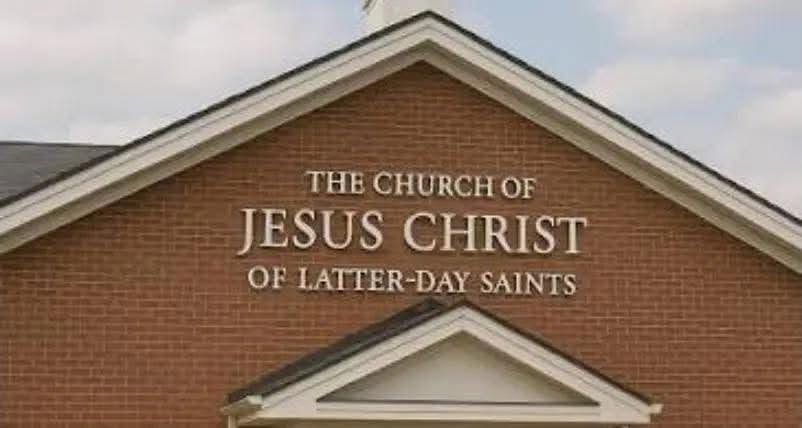
BUCHANAN, Grand Bassa County — The issue of land ownership and property rights has once again placed The Church of Jesus Christ of Latter-day Saints at the center of legal controversy in Liberia, as a family in Grand Bassa County seeks the Church’s eviction from a disputed parcel of land in Buchanan.
The latest dispute, now before the Second Judicial Circuit Court in Grand Bassa County, has reignited broader discussions about land transactions, ownership verification, and property disputes that continue to challenge communities and institutions across the country.
At the heart of the case are two lots located in the WATCO Camp Community, where family members claiming legitimate ownership have filed an Ejectment Action against the Church. The plaintiffs are seeking a court order that would compel the religious institution to vacate the disputed property.
According to information emerging from court records and individuals familiar with the proceedings, the dispute stems from a development project initiated by the Church in the area.
The Church reportedly acquired four lots of land from members of the Neal family as part of its expansion and development plans in Buchanan. However, as the project progressed, the institution allegedly determined that additional space was needed to accommodate its intended activities and infrastructure.
As a result, efforts were reportedly made to acquire two adjoining lots situated next to the original property.
The controversy arose when the Church allegedly entered into an agreement for the purchase of the additional land through individuals who claimed to be authorized owners or representatives of the property.
However, family members now before the court contend that they are the rightful owners of the disputed lots and argue that they neither authorized the transaction nor received compensation from the proceeds of the alleged sale.
Sources familiar with the matter claim that the funds associated with the transaction never reached the individuals who now maintain they hold legitimate ownership rights over the property.
The disagreement eventually escalated into a legal confrontation, leading the family to file an Ejectment Action in February 2025.
In their court filing, the plaintiffs accuse the Church of unlawfully occupying the land and proceeding with activities on the property without securing legal ownership.
The family further alleges that the institution erected a fence around the disputed area and began undertaking construction-related activities despite lacking valid title to the property.
According to the complaint, the actions constitute an unlawful occupation of private property and represent a violation of Liberia’s property and land ownership laws.
The plaintiffs are therefore asking the court to intervene and restore possession of the property to what they describe as its rightful owners.
The case has attracted attention not only because of the parties involved but also because it follows another significant legal dispute involving the Church that was resolved less than two years ago.
In August 2024, Liberia’s Supreme Court affirmed a lower court ruling against The Church of Jesus Christ of Latter-day Saints in a separate land dispute involving the Gaye Family.
That case centered on property located near the SOS Health Center along Tubman Boulevard and became one of the country’s most closely watched property battles.
Following years of litigation, the courts ultimately determined that the Church had encroached upon land claimed by the Gaye Family and ordered the institution to vacate the disputed area.
The latest lawsuit in Grand Bassa County has therefore renewed public interest in how large institutions, private citizens, and communities navigate Liberia’s often complex land ownership system.
Legal experts note that land disputes remain among the most common civil cases before Liberian courts, particularly in areas where historical ownership records, overlapping claims, family inheritances, and informal transactions frequently create uncertainty.
They argue that such disputes underscore the importance of conducting thorough due diligence before purchasing property and ensuring that ownership claims are properly verified before development projects begin.
The ongoing case also highlights the broader challenges facing investors, organizations, religious institutions, and ordinary citizens attempting to acquire land in areas where ownership records may be contested or unclear.
When contacted for comment regarding the allegations, Mr. Carbeteh Mattey Wowoe, Director of Real Estate for The Church of Jesus Christ of Latter-day Saints, declined to discuss the matter.
According to Mr. Wowoe, the Church would not comment because the case is currently before the court and remains under judicial consideration.
As a result, the Church has not publicly responded to the specific allegations contained in the lawsuit.
Meanwhile, residents and observers in Buchanan are closely following the proceedings, as the outcome could have implications not only for the parties involved but also for future land transactions and development projects in the county.
Property rights advocates argue that the case serves as another reminder of the need for stronger land administration systems, improved documentation, and greater transparency in property transactions to prevent disputes from escalating into lengthy court battles.
For now, however, the matter remains in the hands of the judiciary.
The Second Judicial Circuit Court in Grand Bassa County is expected to examine the competing ownership claims, review documentary evidence, and determine whether the plaintiffs have established legal grounds for the ejectment action.
Until a ruling is issued, questions surrounding the ownership of the disputed property remain unresolved.
As the legal battle unfolds, many observers are asking a broader question: Why do major land disputes continue to emerge despite ongoing efforts to strengthen Liberia’s land governance framework, and what lessons can institutions and property owners learn from these recurring conflicts?
The answer may ultimately be determined not only by the courts but also by the continued evolution of Liberia’s property rights and land administration systems.


