


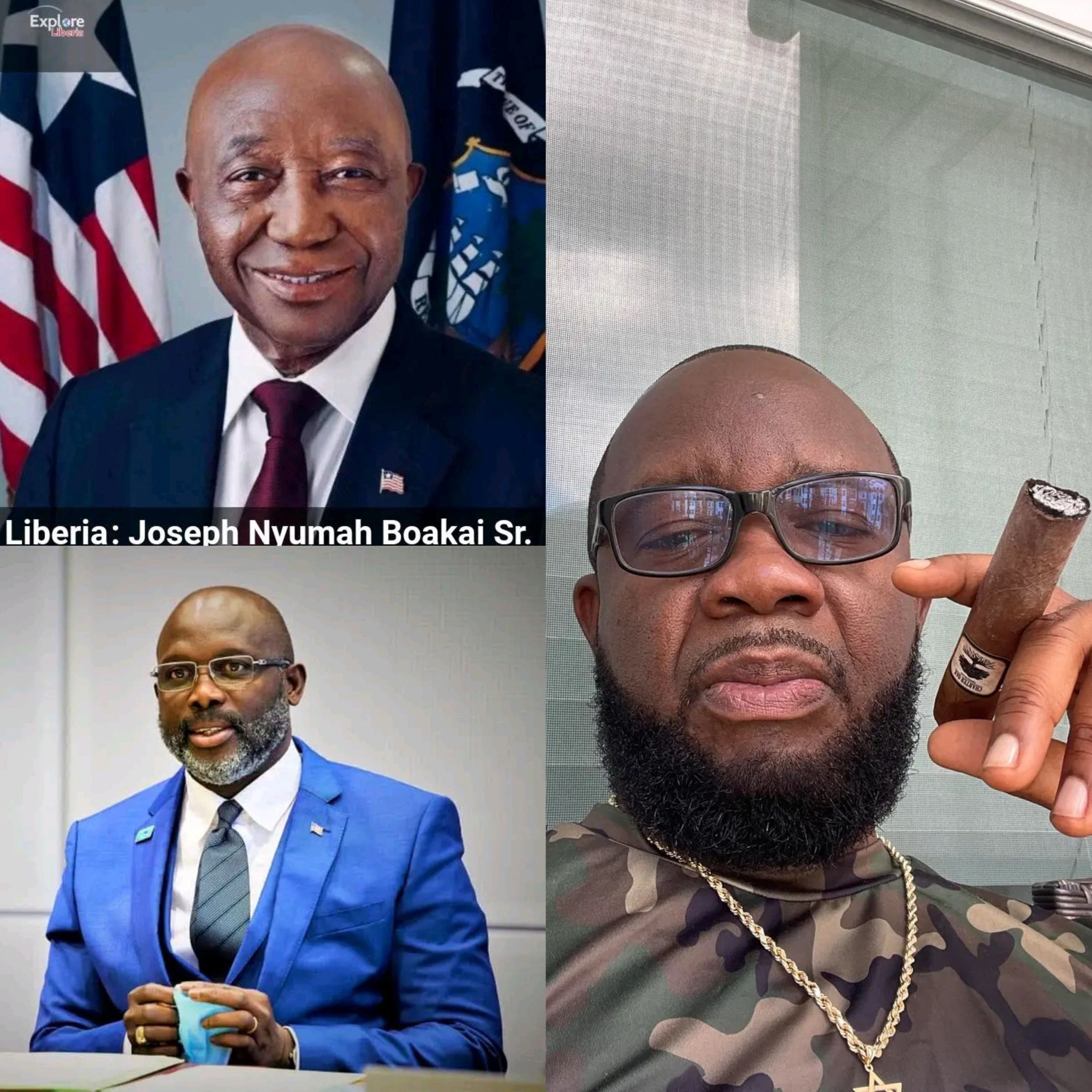
A growing political argument is emerging in Liberia: if international influence—particularly in Washington, D.C.—plays a decisive role in shaping domestic outcomes, why has the opposition failed to respond to the Boakai-Koung administration on that same stage?
The commentary argues that while governments may attempt to polish their image abroad through lobbying and public relations, such efforts cannot mask the everyday realities faced by ordinary Liberians. Economic hardship, unemployment, limited access to basic services, and widespread poverty remain pressing concerns that cannot be addressed through foreign image-building alone.
At the center of the debate is the revelation that the current administration has entered into a lobbying agreement in the United States reportedly valued at $1.2 million annually, totaling $3.6 million over three years. Critics view this as a political decision that prioritizes international perception over domestic challenges.
However, the focus of the argument is not solely on the government’s actions—it is equally directed at Liberia’s opposition parties, including the CDC, CMC, ANC, MOVEE, and others. The writer contends that politics is inherently strategic and competitive, and that responding to political moves requires more than local commentary or social media criticism.
Instead, the piece calls on opposition groups to adopt a more structured and internationally engaged approach, including leveraging advocacy and lobbying platforms to present their own narratives on governance issues such as corruption, rule of law concerns, and human rights.
Drawing from past political experience, the commentary highlights how international perception has previously influenced Liberia’s political landscape. It references the role of external narratives and lobbying efforts in shaping opinions about past administrations, suggesting that such strategies have had tangible political consequences.
The argument further emphasizes that political power is rarely conceded voluntarily and must be actively contested. In this context, the opposition is urged to organize, collaborate, and strategically engage both domestically and internationally if it intends to remain relevant and competitive.
Ultimately, the piece frames the current moment as a test of political awareness and adaptability, suggesting that failure to respond effectively—particularly on influential global platforms—could leave opposition groups at a disadvantage in Liberia’s evolving political landscape.


