


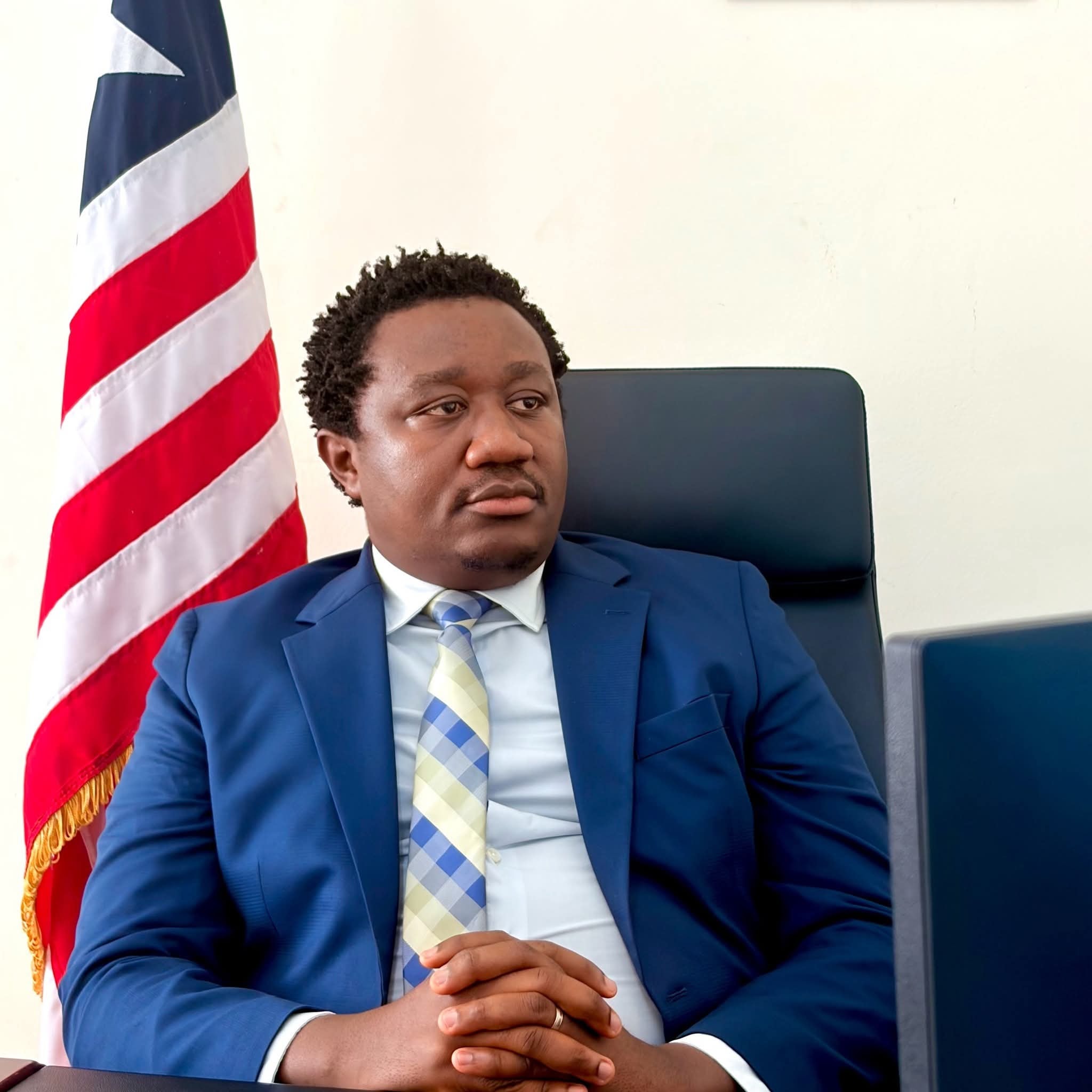
The Director General of the Liberia Institute of Public Administration (LIPA), Nee Allah Varpliah, says institutional reform is an ongoing process in which solving one problem often exposes new operational and structural challenges.
Speaking in an interview with DN-News Liberia, Varpliah described LIPA’s current trajectory as a “transformative journey,” emphasizing that while progress has been made under his administration, institutional development remains a continuous and evolving process rather than a fixed achievement.
From an analytical perspective, his remarks reflect a broader reality facing many public institutions in developing governance systems: reform efforts frequently uncover additional infrastructure, financial, and administrative needs that require long-term planning and sustained investment.
According to Varpliah, his administration has already addressed several longstanding institutional challenges, including transportation difficulties affecting staff mobility. He pointed to the acquisition of buses for employees as a significant operational milestone aimed at improving efficiency and staff welfare.
However, he acknowledged that financial constraints continue to affect the institution’s overall capacity. Despite these challenges, he praised LIPA employees for what he described as their professionalism, resilience, and dedication to public service.
Analytically, the emphasis on staff commitment highlights the critical role of human capital in institutional sustainability. In many public-sector institutions, operational continuity often depends as much on workforce dedication as on budgetary support or infrastructure development.
Varpliah further argued that human capacity development must remain a national priority, particularly in a country where governance effectiveness is closely tied to the quality of public administration and technical expertise.
A major component of LIPA’s current reform agenda, according to the Director General, is the planned construction of a 30-bedroom facility for the institution. He explained that the project is intended to reduce the institution’s longstanding financial burden from rental expenses, which he said has consumed substantial resources over the years.
The proposed construction project, funded through a combination of government support and institutional resources, signals a broader attempt to strengthen institutional self-sufficiency and reduce recurring operational costs.
From a governance and administrative standpoint, the initiative reflects a strategic shift from short-term operational spending toward long-term institutional asset development. Analysts note that such investments can improve institutional stability if effectively managed and sustained.
Varpliah concluded by reaffirming his commitment to strengthening LIPA and enhancing its role in supporting Liberia’s public administration system. His comments suggest that the institution sees itself not only as a training center but also as a strategic pillar in national governance reform and civil service development.
Overall, the remarks underscore a larger policy question confronting Liberia’s public institutions: how to sustain institutional modernization and capacity-building efforts amid persistent financial limitations and expanding operational demands.


