


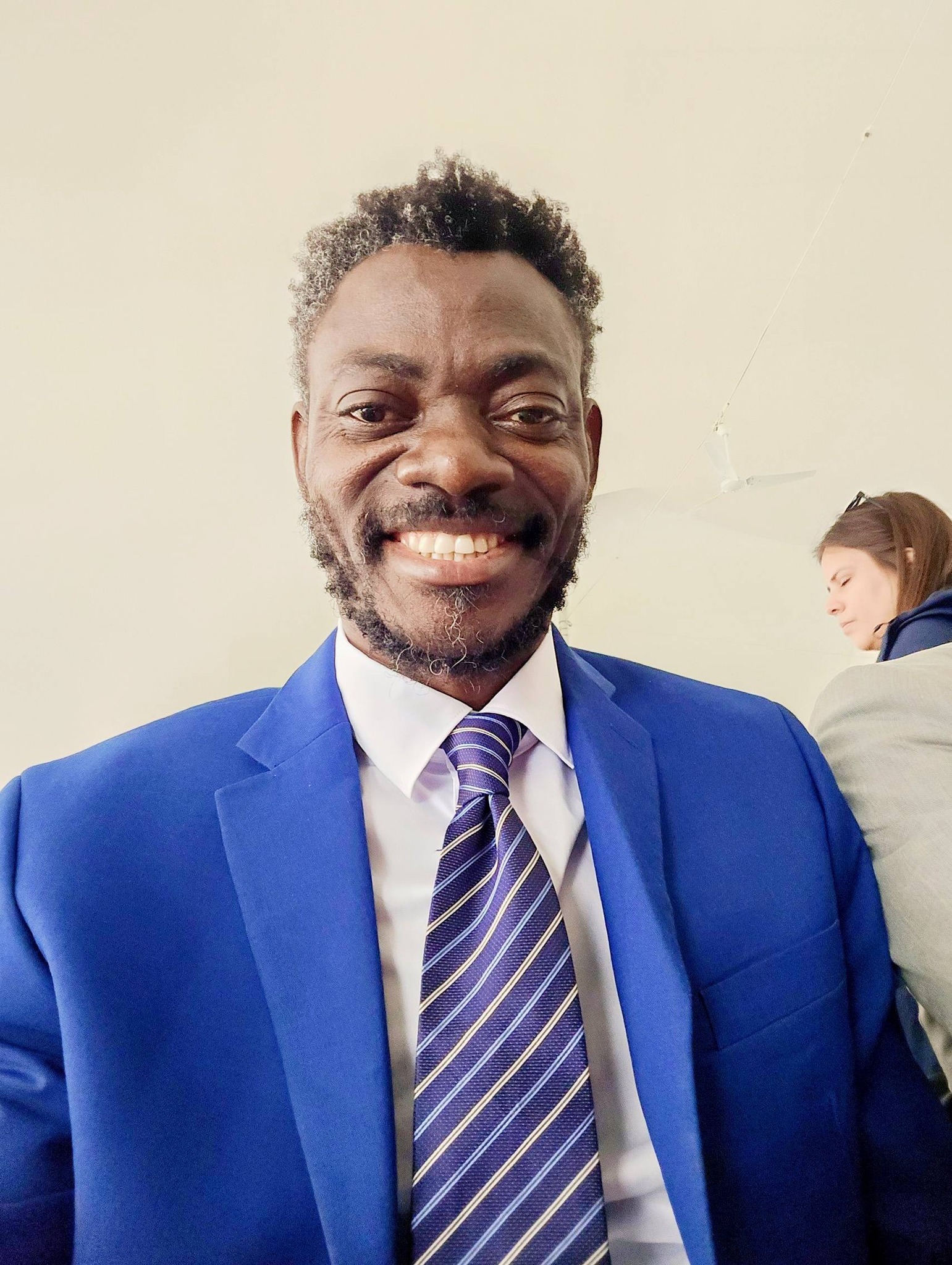
A growing wave of commentary within Liberia’s football community is reigniting debate over how past players and public figures assess the legacy of former President and global football icon George Manneh Weah.
The discussion centers on remarks attributed to former national team goalkeeper Louis Crayton, which some critics argue fail to fully recognize Weah’s historical contributions to Liberian football. In response, supporters of Weah have pushed back strongly, portraying such criticism as misplaced and reflective of a broader pattern of ingratitude in public discourse.
According to this perspective, Crayton’s rise in Liberian football is closely tied to his inclusion in the national team around 1999–2000—a period when Weah was already an internationally celebrated figure and a driving force behind the Lone Star. Advocates argue that Weah not only elevated Liberia’s global football profile but also played a direct role in supporting and mentoring players who came after him.
They further emphasize that prior to Crayton’s entry into the national team, Liberia had already achieved significant milestones, including participation in the 1996 Africa Cup of Nations, with Weah contributing both on and off the field. His involvement reportedly extended beyond playing, including financial and logistical support for the team during difficult periods.
Supporters also highlight Weah’s unmatched achievements on the global stage—most notably winning the Ballon d’Or and being named FIFA World Player of the Year—arguing that his records remain unparalleled in Liberia’s history and continue to define the country’s football identity internationally.
The narrative also revisits a well-known moment during the early 2000s, when then-President Charles Taylor reportedly began taking a greater interest in the national team following a key match against Nigeria. Even in that period, proponents maintain that Weah remained central to the team’s success and operations.
At the heart of the argument is a broader concern about how national figures are remembered and critiqued. Those defending Weah caution against what they see as selective memory, urging Liberians to acknowledge the full scope of his contributions rather than focusing on isolated criticisms.
The debate ultimately reflects deeper questions about legacy, recognition, and national pride—particularly when it comes to figures who have shaped Liberia’s global image in sports and beyond.


