


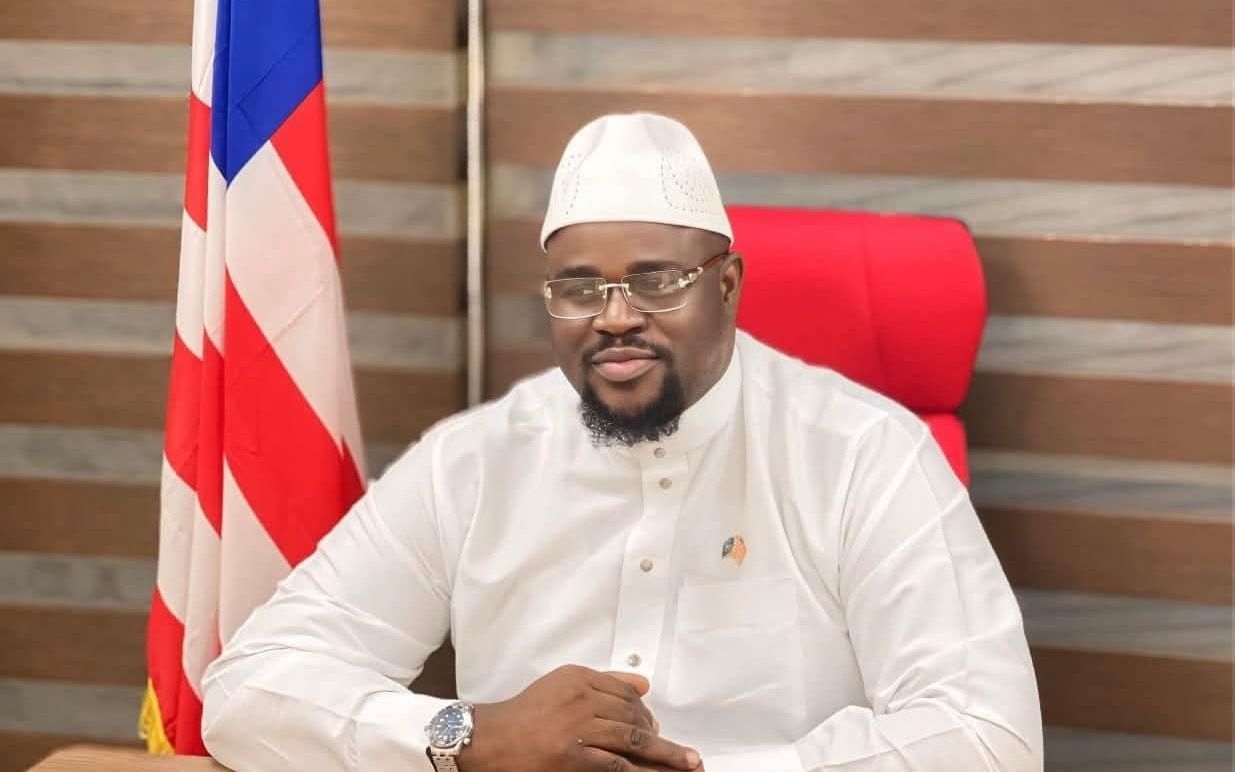
A wave of public reaction has followed the emergence of a viral video showing Liberia’s Ambassador-at-Large, Sheikh Al-Moustapha Kouyateh, openly praising Guinea’s transitional President, Mamady Doumbouya, at a time of ongoing sensitivity over border issues between the two countries.
In the widely circulated clip, Kouyateh expresses admiration for Doumbouya’s leadership, describing it as emblematic of African revolutionary progress. He also references Liberian leaders, including President Joseph Boakai. However, the timing of his remarks has drawn scrutiny, given unresolved concerns over disputed territory along the Liberia–Guinea border.
While there has been no official diplomatic fallout, the comments have triggered a broader conversation about how public officials should conduct themselves on matters affecting national sovereignty and foreign relations.
Critics, including political analysts and civil society voices, argue that such statements are inappropriate for someone holding a government title, particularly during a period of delicate engagement between Monrovia and Conakry. They warn that even informal or personal remarks can carry diplomatic weight and risk complicating ongoing discussions.
Others have defended Kouyateh, suggesting his comments reflect personal views rather than official government policy. They note that Ambassadors-at-Large often serve in advisory or symbolic roles and may not be directly involved in shaping Liberia’s foreign policy decisions.
The situation is further amplified by recent political tensions. It follows the reported removal of Representative Yekeh Kolubah from the House of Representatives after remarks seen as sympathetic to Guinea’s stance on the border issue. Kouyateh himself had also recently appeared before lawmakers to apologize over earlier corruption allegations he made against members of the Legislature.
Observers say the incident highlights the need for clearer guidelines on how public officials address sensitive international matters, especially in the age of social media where statements can quickly gain widespread attention.
Despite differing opinions, the episode has reignited debate over balancing regional solidarity with national interest. While some view Kouyateh’s remarks as a gesture of African unity, others insist that Liberian officials must remain cautious and prioritize the country’s diplomatic position.
Liberia and Guinea continue to maintain strong ties through trade, security cooperation, and ECOWAS frameworks, even as periodic disputes over their shared border persist.


