


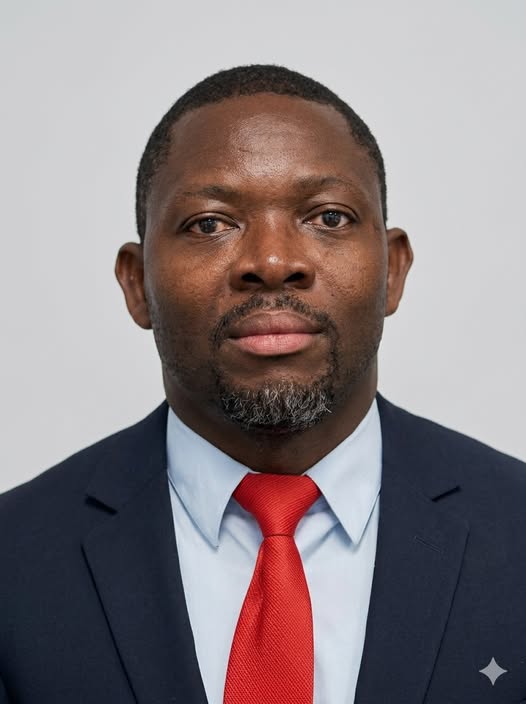
A renewed debate over the enforcement of Liberia’s Code of Conduct is raising concerns about fairness and constitutional rights, as public policy strategist and human rights advocate Vandaark R. Patricks defends Civil Service Agency Director-General Josiah Joekai against allegations of misconduct.
The controversy follows criticism of Joekai’s reported participation in a political gathering, which some argue violates provisions of the Code of Conduct restricting political activity by presidential appointees. However, Patricks contends that such interpretations overlook a more fundamental legal principle: the supremacy of the Constitution.
In his analysis titled “The Constitutional Supremacy vs. Statutory Selectivity,” Patricks argues that applying the Code of Conduct in this manner risks undermining constitutional guarantees. He points to Article 2 of Liberia’s 1986 Constitution, which invalidates any law that conflicts with constitutional provisions, and Article 17, which protects citizens’ rights to political association and assembly.
According to Patricks, holding political appointees to absolute neutrality ignores the nature of their roles. He explains that unlike tenure-protected officials at independent institutions such as the National Elections Commission or the Liberia Anti-Corruption Commission—who are required to remain nonpartisan—political appointees serve at the discretion of the President and are inherently connected to the administration’s political agenda.
He also referenced the Supreme Court case Selena Mappy-Polson v. Republic of Liberia, noting that while the Legislature can establish rules governing public officials, those rules must not infringe upon fundamental rights guaranteed by the Constitution.
Beyond legal arguments, Patricks criticized what he described as uneven enforcement of the Code. He accused lawmakers of engaging freely in political activities, often using state resources, while similar actions by executive officials attract scrutiny and condemnation.
He further emphasized that only the Office of the Ombudsman has the authority to investigate and rule on alleged violations, cautioning against public or social media-driven judgments that bypass established legal procedures.
Patricks called for a comprehensive review of the Code of Conduct to ensure that it is applied consistently and in line with constitutional principles. He maintained that public officials do not forfeit their rights as citizens simply by accepting government appointments.
As the discussion continues, the issue is fueling broader questions within Liberia’s legal and political landscape about whether existing laws are being enforced impartially or influenced by political considerations.


