


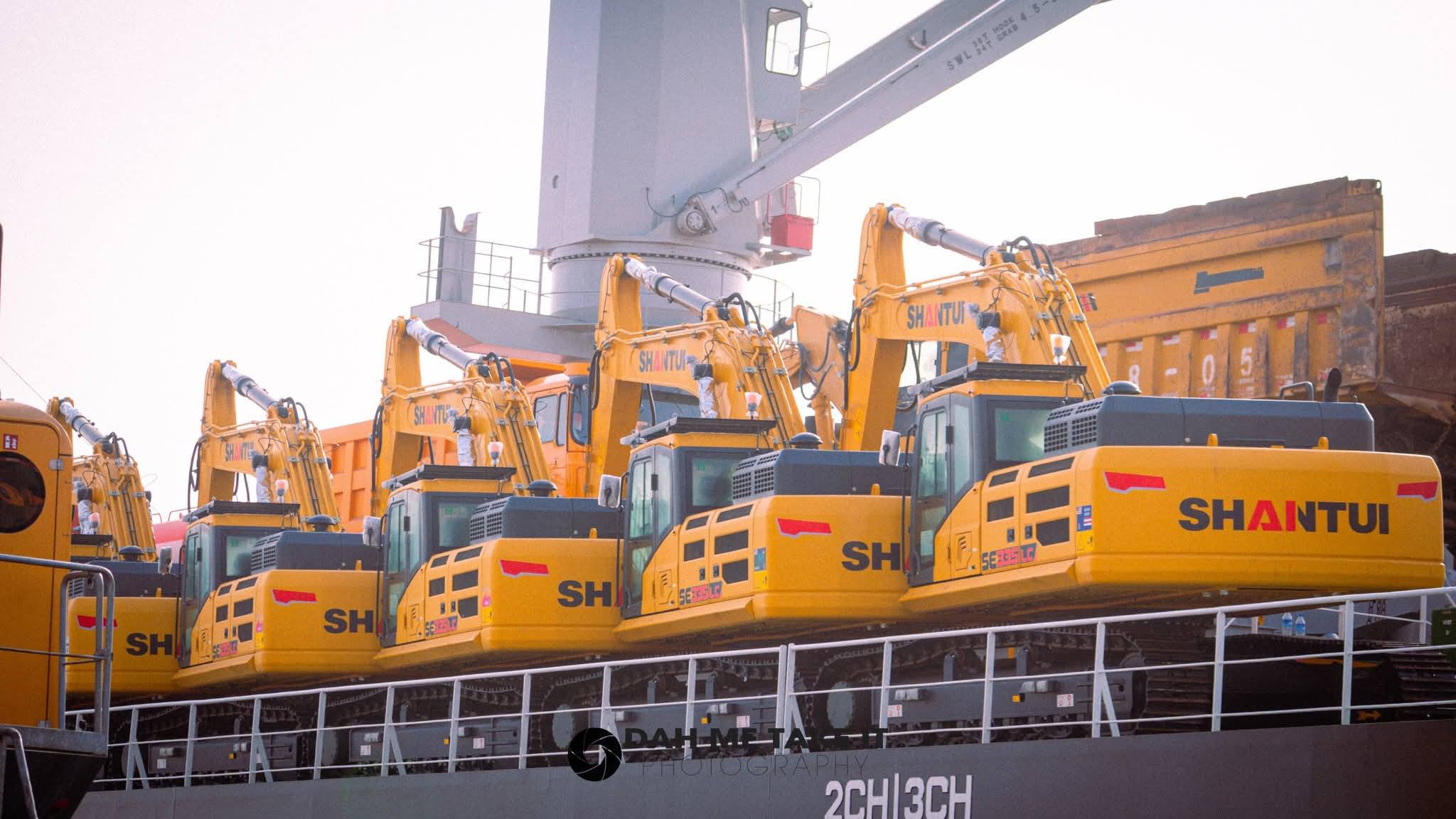
The arrival of all 285 yellow machines into Liberia is being presented by the Boakai administration as a major step toward solving one of the country’s longest-standing development challenges: poor road connectivity. But as the government prepares to begin deployment across the counties on June 29, questions are already emerging over whether the ambitious initiative will produce lasting infrastructure improvements or face the same operational and maintenance problems that have undermined similar projects in the past.
Officials from the Yellow Machines Management Committee confirmed over the weekend that the full shipment of heavy road construction equipment has now arrived in the country. Speaking to reporters at Camp Sandee Ware Military Barracks, a senior member of the Special Presidential Project Coordinating Committee said deployment would officially begin in southeastern Liberia before expanding nationwide.
The initiative is one of the flagship infrastructure programs of the administration of Joseph Boakai, which has repeatedly emphasized road rehabilitation as central to economic recovery, regional trade, and national development.
For decades, Liberia’s road network has remained one of the country’s most persistent governance and economic challenges. During the rainy season, many rural communities become virtually inaccessible, affecting trade, healthcare delivery, education access, agriculture, and local commerce. Successive governments have announced road improvement programs, yet many counties continue to struggle with severe transportation difficulties.
The government argues that acquiring its own fleet of heavy-duty machinery could reduce Liberia’s longstanding dependence on private contractors and rented equipment, which officials say has historically increased costs and slowed project implementation.
However, infrastructure analysts note that the true challenge may not simply be acquiring machines, but sustaining them.
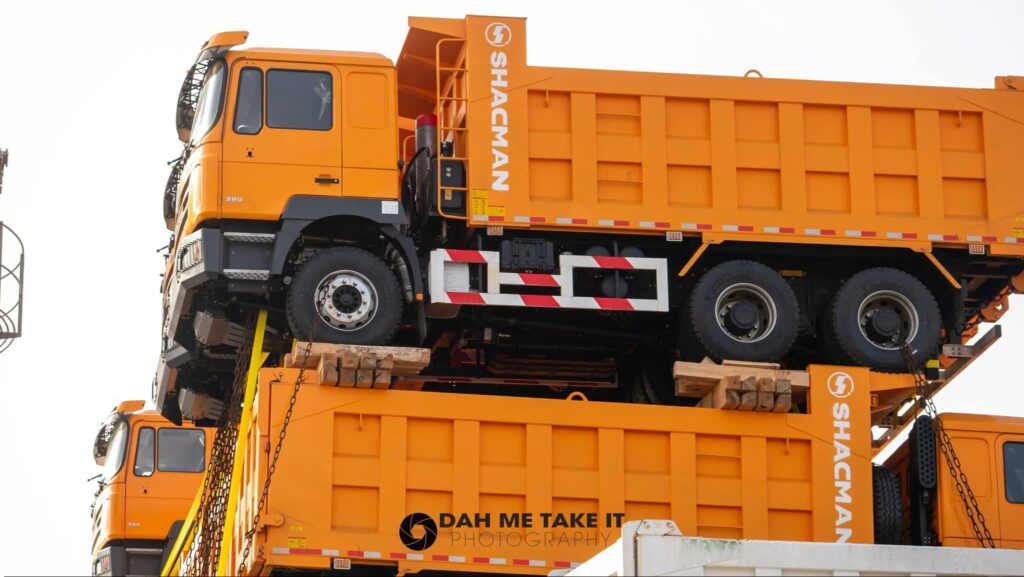
Past public equipment programs in Liberia have frequently encountered problems linked to maintenance, fuel supply, spare parts procurement, operator training, political interference, and weak accountability systems. Critics argue that without a clear operational framework and transparent management structure, the yellow machines risk becoming symbolic assets rather than long-term development tools.
The decision to begin deployment in southeastern Liberia is likely to carry political and economic significance. The region has historically complained of neglect in national infrastructure development and remains among the most difficult parts of the country to access by road, particularly during heavy rains.
Government officials believe improved road connectivity could stimulate agricultural production, reduce transportation costs, strengthen local trade, and improve access to public services in remote communities.
Yet some observers caution that the success of the project will ultimately depend on whether county authorities are equipped with the technical capacity and financial resources needed to properly manage and maintain the equipment after deployment.
The initiative also raises broader questions about Liberia’s infrastructure strategy. While heavy equipment can accelerate road rehabilitation, experts argue that sustainable road development requires long-term investment in engineering standards, drainage systems, quality control, and institutional oversight — areas where Liberia has historically struggled.
Still, for many citizens living outside Monrovia, the arrival of the machines represents a rare moment of optimism after years of promises surrounding road development.
As June 29 approaches, public attention is increasingly shifting from the arrival of the equipment itself to a more important question: whether the yellow machines will finally help bridge Liberia’s infrastructure gap — or become another costly government project unable to outlive political excitement.


