


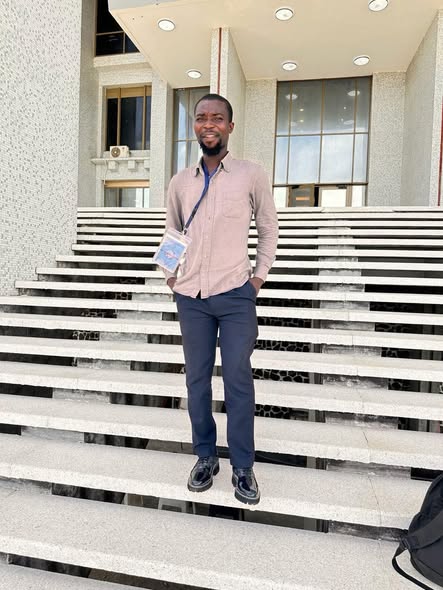
In an effort to settle a long-running debate about George Weah’s contribution to Liberia’s national team, sports journalist Thomas Kojo Roulhac has compiled extensive research pointing to the former Lone Star captain’s direct financial and logistical support during his playing years.
While examining whether Weah truly backed the national team or not, Roulhac uncovered multiple reports from both Liberian and international media documenting consistent intervention by the football icon to sustain the team during difficult periods.
Local newspaper archives reveal a pattern of personal sacrifice. A March 26, 1998 edition of The Inquirer reported that Weah paid US$5,000 to FIFA to clear Liberia’s arrears and prevent suspension from international competitions. Earlier, on June 12, 1996, the Daily Observer documented how he financed the Lone Star’s AFCON qualifying campaign, covering travel and player allowances.
Further reports show that his involvement continued into the 2000s. The News (September 8, 2000) highlighted his pledge to fund training camps and friendly matches ahead of the 2002 World Cup qualifiers, while The Inquirer (July 15, 2001) credited his financial contributions as key to keeping the national team active during a period when Liberia reached its peak FIFA ranking—66th globally and 8th in Africa. In January 2002, the Daily Observer again reported Weah stepping in to cover urgent expenses for Liberia’s AFCON participation in Mali.
International media echoed similar accounts. BBC Sport reported in 1996 that Weah personally financed Liberia’s AFCON campaign in South Africa, covering logistics and allowances at a time when the football association lacked funds. The Guardian (UK) later described him as “the man who pays for his country to play,” emphasizing his dual role as both star player and financial backbone of the team.
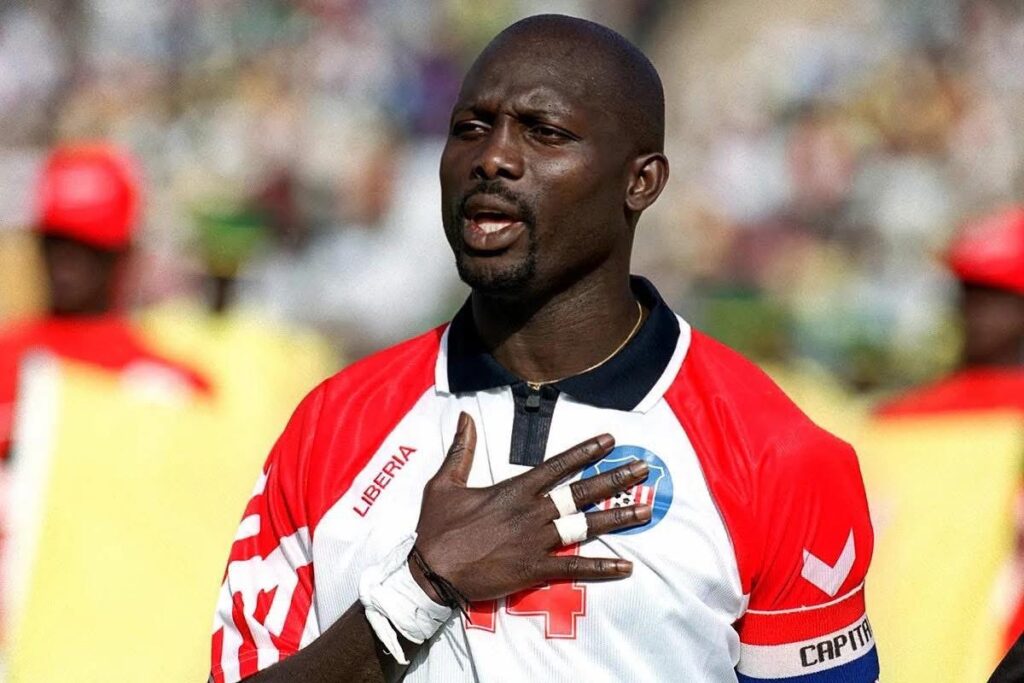
Additional reports from BBC Sport in 1998 confirmed his payment of FIFA debts, while The New York Times (2000) and France Football (2001) highlighted his continued support through funding training camps and sustaining team operations. Global wire services such as Reuters and the Associated Press also documented his role in ensuring Liberia’s participation in AFCON 2002.
Across West Africa, similar narratives emerged. Nigerian and Ghanaian outlets, including The Guardian Nigeria, Punch Nigeria, Daily Graphic, and Ghanaian Times, consistently linked Liberia’s football progress and international competitiveness to Weah’s personal contributions. Pan-African platforms such as African Soccer Magazine and CAF archives further reinforced his reputation as a player whose influence extended far beyond the field.
Roulhac emphasized that his findings are strictly based on documented historical records and are not connected to current political debates. According to him, the research aims solely to clarify disagreements among former players and observers regarding Weah’s legacy with the national team.
He stressed that the work should not be interpreted through a political lens, but rather as an evidence-based account of a football era in which one individual’s commitment appeared to play a pivotal role in keeping Liberia’s national team competitive on the international stage.


