


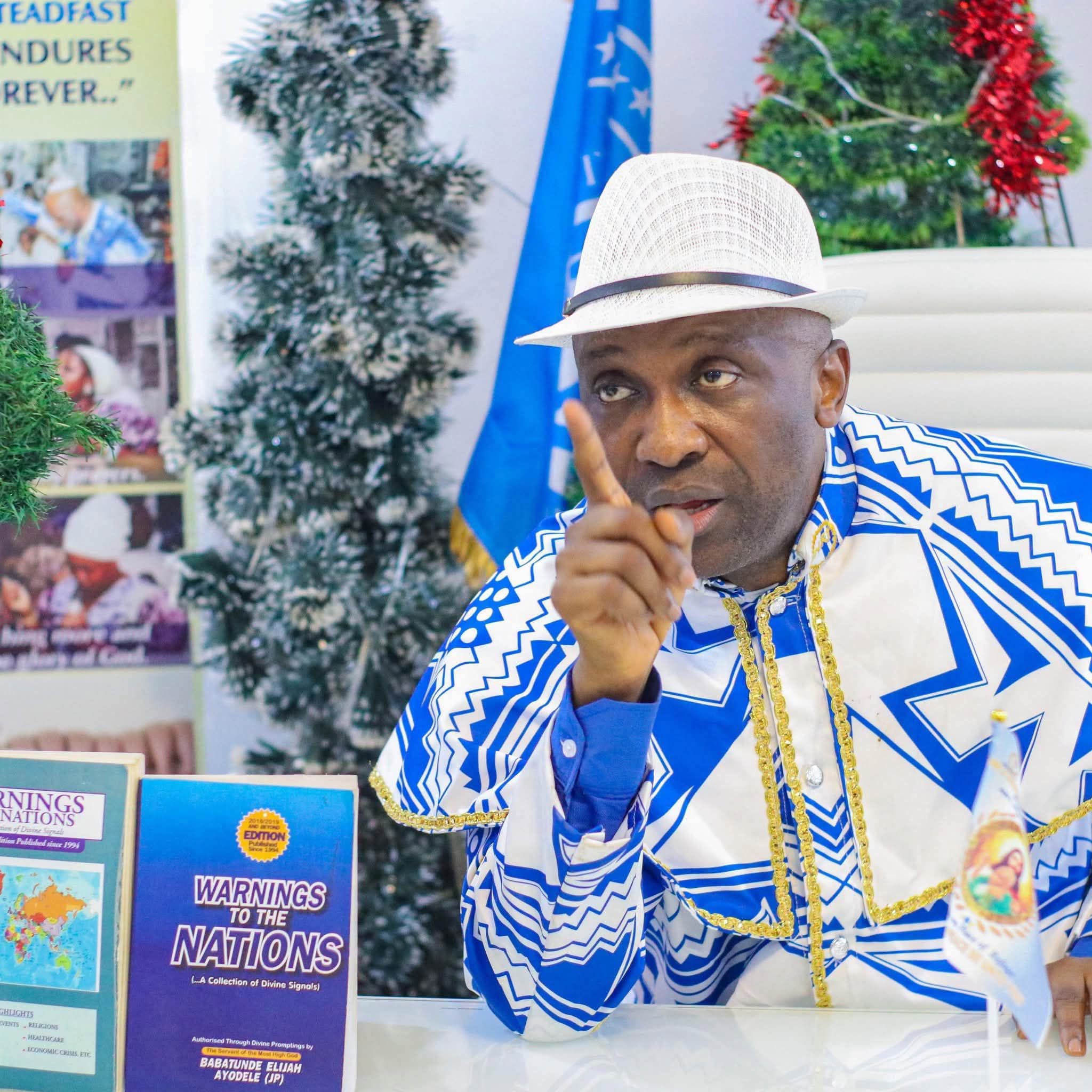
ABUJA, NIGERIA – The Government of Nigeria has formally disassociated itself from comments reportedly made by Nigerian cleric Primate Elijah Ayodele regarding Liberian President Joseph Nyuma Boakai, emphasizing that the statements were personal opinions and do not reflect the official position of the Nigerian state.
The clarification, delivered through diplomatic channels, comes amid growing attention surrounding remarks attributed to the controversial preacher and concerns raised by Liberian authorities over their potential implications for relations between the two West African nations.
In an official communication dated June 8, 2026, and addressed to Liberia’s Minister of Foreign Affairs, Sara Beysolow Nyanti, Nigeria’s Ministry of Foreign Affairs reaffirmed that Ayodele spoke strictly in his private capacity and was not acting on behalf of the Federal Republic of Nigeria.
The letter, signed by Nigeria’s Minister of Foreign Affairs, Bianca Odumegwu-Ojukwu, stressed that the Nigerian government remains committed to democratic principles, including the protection of freedom of expression and the right of citizens to hold and express personal views.
According to the communication, opinions expressed by private individuals should not be interpreted as government policy or official diplomatic positions.
“The Government of Nigeria wishes to state unequivocally that any views attributed to Mr. Ayodele were expressed solely in his private capacity and do not represent the position of the Nigerian State,” the letter stated.
The Nigerian government further explained that, as a constitutional democracy governed by the rule of law, it does not suppress or censor the lawful opinions of private citizens. Officials noted that statements made by individuals outside government institutions cannot automatically be attributed to the state.
The diplomatic note also expressed surprise that remarks allegedly made by a private citizen had become the subject of formal communication between the governments of Liberia and Nigeria.
Nigerian authorities emphasized that accepted diplomatic norms distinguish between official government pronouncements and personal opinions expressed by citizens, regardless of their public profile or influence.
“To attribute the views of a private citizen to the Government of Nigeria would be inconsistent with accepted democratic principles and diplomatic practice,” the communication added.
The clarification is being viewed by diplomatic observers as an effort to prevent any misunderstanding that could affect the longstanding relationship between Liberia and Nigeria, two countries that have historically maintained close political, economic, and cultural ties.
While addressing the controversy, Nigeria reaffirmed its commitment to strengthening bilateral cooperation with Liberia and maintaining cordial relations based on mutual respect, regional stability, and shared development goals.
The Nigerian government also reiterated its confidence in the enduring friendship between both nations and expressed optimism that the matter would not distract from broader areas of collaboration and partnership.
The diplomatic response follows concerns reportedly raised by the Liberian government over comments attributed to Pastor Ayodele concerning President Boakai and governance issues in Liberia.
Although the content of the remarks generated public discussion, Nigerian officials maintained that the statements should be understood strictly as the personal views of the cleric and not as an expression of government policy.
Analysts say the swift response from Abuja underscores the importance both countries place on preserving strong diplomatic relations and avoiding unnecessary tensions arising from statements made by non-state actors.
Nigeria concluded its communication by reaffirming its dedication to deepening cooperation with Liberia and advancing the shared interests of both countries within the framework of regional integration and democratic governance in West Africa.
The development is expected to ease concerns over the controversy while reinforcing diplomatic norms that separate personal opinions from official state positions.


