


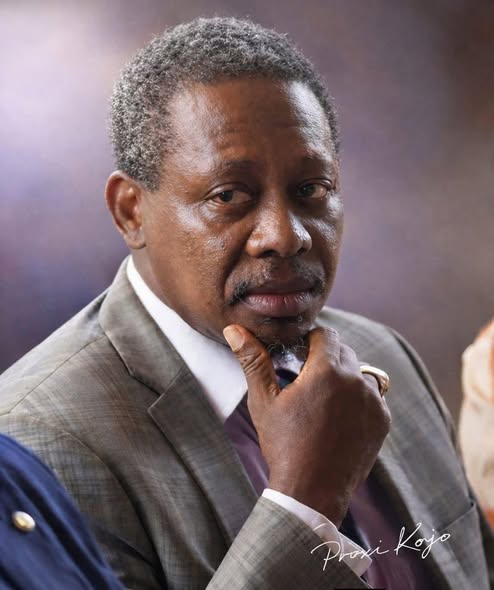
MONROVIA, Liberia – Former Montserrado County District #8 Representative Acarous Moses Gray has strongly criticized the Liberian Government over recent statements suggesting that anti-Nigerian sentiments are growing in Liberia following controversial remarks made by a Nigerian pastor about governance in the country.
Gray described the government’s position as misleading and potentially harmful, warning that such claims could unnecessarily strain the longstanding relationship between Liberia and Nigeria, two countries that have historically maintained strong diplomatic, economic, and cultural ties.
Speaking on the matter, the former lawmaker rejected suggestions that Liberians harbor widespread hostility toward Nigerian nationals, insisting that the relationship between the peoples of both nations has remained rooted in mutual respect, cooperation, and shared regional interests.
According to Gray, portraying Liberia as a country experiencing rising anti-Nigerian sentiment risks creating a false narrative that could fuel misunderstanding and tension where none currently exists.
“I want to call on the Liberian government to withdraw such statement because it has the propensity to create unnecessary tension,” Gray said.
His comments come amid public discussions surrounding statements allegedly made by a Nigerian pastor criticizing governance and national conditions in Liberia. The remarks generated debate both within Liberia and among members of the Liberian diaspora, prompting official responses from government authorities.
Rather than focusing on the comments of an individual religious figure, Gray argued that attention should be directed toward preserving the strong relationship that has existed between Liberia and Nigeria for decades.
Nigeria has long played a significant role in Liberia’s development and peacebuilding efforts, particularly during periods of political instability and civil conflict. Successive Liberian governments have recognized Nigeria as one of Liberia’s most important regional partners, while thousands of Liberians have benefited from educational, economic, and professional opportunities in Nigeria over the years.
Gray emphasized that isolated comments made by private individuals should not be allowed to overshadow the broader relationship between the two countries.
He maintained that there is no evidence of widespread hostility toward Nigerians living and working in Liberia and cautioned against official statements that could be interpreted as suggesting otherwise.
Political observers note that the controversy has emerged against the backdrop of ongoing public discussions about governance, economic conditions, and political accountability in Liberia. While opinions may differ on those issues, many analysts agree that diplomatic relations between states should not be defined by the personal views of individual citizens or religious leaders.
Gray’s intervention adds another voice to the growing debate surrounding the government’s response to the pastor’s comments, with some critics questioning whether the issue warranted official diplomatic attention.
The former representative used the occasion to reaffirm the historical bond between the two nations and called for continued cooperation between Liberians and Nigerians.
“Long live the people of Nigeria and Liberia,” Gray declared.
As discussions continue, the episode has highlighted broader questions about diplomacy, freedom of expression, and the appropriate response of governments to controversial statements made by private citizens abroad.
For many observers, the larger concern remains safeguarding the strong ties that have connected Liberia and Nigeria for generations while ensuring that political disagreements do not evolve into unnecessary diplomatic disputes.


