


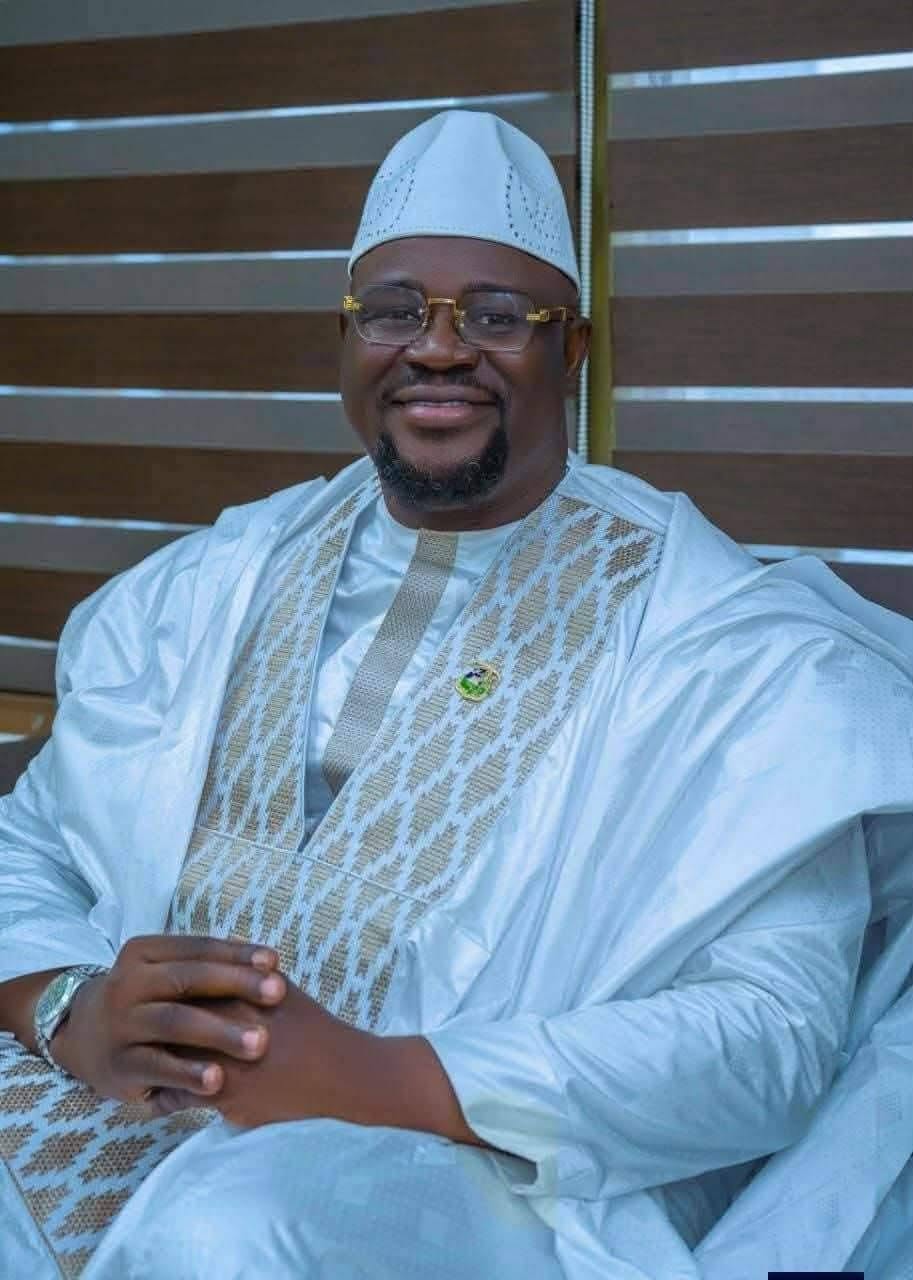
MONROVIA, Liberia — President Joseph Nyuma Boakai Sr.’s decision to dismiss Ambassador-at-Large Sheikh Al-Moustapha Kouyateh has sparked fresh debate about the balance between loyalty, accountability, and political harmony within Liberia’s governance structure.
The dismissal, announced by the Executive Mansion on June 8, 2026, came shortly after the House of Representatives formally expressed a Vote of No Confidence in Kouyateh over remarks he reportedly made concerning members of the Legislature.
The move has drawn attention not only because of Kouyateh’s role as a Special Presidential Envoy and Ambassador-at-Large for Special Duties, but also because it underscores the Boakai administration’s determination to maintain a cooperative relationship with the Legislature as it advances its national development agenda.
In a communication addressed to the former envoy, President Boakai indicated that the circumstances surrounding Kouyateh’s public comments and the subsequent reaction from lawmakers had created a situation requiring immediate executive intervention.
According to the President, the successful implementation of the government’s ARREST Agenda for Inclusive Development depends heavily on constructive engagement, mutual respect, and collaboration among Liberia’s three branches of government.
“Recent events arising from public statements attributed to you concerning the Honorable House of Representatives, coupled with subsequent communications received from that body expressing a Vote of No Confidence in your continued service, have created circumstances requiring presidential attention and action,” the President stated in his official communication.
Political observers view the dismissal as a clear signal that the administration is prioritizing institutional stability and effective working relations with the Legislature over individual political considerations.
Kouyateh had served in a high-profile diplomatic and advisory capacity, often representing the President on special assignments both domestically and internationally. His removal therefore marks one of the most notable personnel decisions taken by the Boakai administration in response to tensions involving another branch of government.
The development has also reignited discussions about the responsibilities of public officials and the importance of maintaining respectful relationships between state institutions. Supporters of the decision argue that preserving cooperation between the Executive and Legislature is essential for governance and national development, while others believe the move raises questions about political loyalty and freedom of expression within government circles.
Despite the controversy, President Boakai expressed appreciation for Kouyateh’s service to the nation and wished him success in his future endeavors.
As Liberia’s political landscape continues to evolve, the dismissal highlights the delicate nature of inter-branch relations and the challenges leaders face in balancing political alliances with the demands of governance.
For many analysts, the episode serves as a reminder that in politics, preserving institutional cohesion can sometimes come at a significant personal and political cost.


