


MONROVIA, LIBERIA — As Liberia continues its struggle to improve healthcare access and reduce preventable deaths, a significant donation of medical equipment from the Liberia Petroleum Refining Company to the Ministry of Health is being viewed as more than a charitable gesture—it is a strategic intervention aimed at strengthening critical areas of the country’s healthcare system.
On Wednesday, the Ministry of Health received a consignment of essential medical equipment intended to enhance surgical services, maternal healthcare, and emergency medical response in hospitals and health facilities across Liberia.
The donation includes six anesthesia machines, six patient monitoring systems, and 100 delivery beds that will be distributed among referral hospitals, county hospitals, and healthcare centers in various parts of the country.
Health experts note that these are not ordinary additions to hospital inventories. Anesthesia machines play a crucial role in surgical procedures, patient monitors are essential for tracking vital signs during treatment and emergencies, while delivery beds directly support safer childbirth and maternal healthcare services.
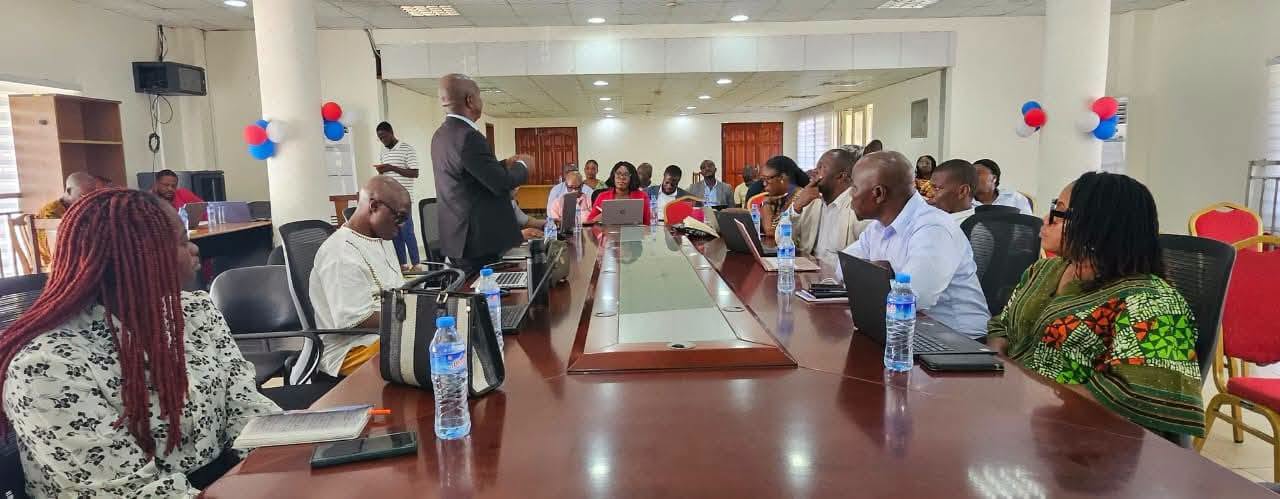
Receiving the equipment, Louise M. Kpoto described the donation as a timely contribution to the government’s efforts to improve healthcare delivery nationwide.
According to the Health Minister, the equipment arrives at a critical period when healthcare facilities continue to face growing demands for quality services, particularly in maternal health, surgical care, and emergency treatment.
The donation also highlights the increasing role that state-owned enterprises and private-sector institutions can play in supporting national development priorities beyond their primary business operations.
For years, inadequate medical equipment has remained one of the major challenges confronting healthcare facilities across Liberia, especially in rural counties where hospitals often struggle with limited resources and aging infrastructure. In many cases, shortages of essential equipment have affected the quality of care available to patients requiring surgery, childbirth services, and emergency interventions.
Analysts believe the new equipment could help reduce some of those constraints by improving hospitals’ operational capacity and enhancing the quality of patient care.
Beyond the immediate impact, the donation underscores a broader development lesson: strengthening healthcare systems requires collaboration across multiple sectors. Government institutions alone often face resource limitations, making partnerships with corporations, development partners, and civil society organizations increasingly important.
Dr. Kpoto emphasized this point, noting that sustainable improvements in healthcare infrastructure depend on collective action and shared responsibility among public institutions, the private sector, and international partners.
The initiative also aligns with Liberia’s broader healthcare goals, including efforts to reduce maternal mortality, improve access to quality medical services, and strengthen the country’s ability to respond to health emergencies.
While the donation alone will not solve all of Liberia’s healthcare challenges, it represents a practical step toward addressing some of the most pressing equipment shortages affecting medical facilities.
As the equipment is distributed across hospitals and health centers nationwide, its success will ultimately be measured by its impact on patients—mothers receiving safer deliveries, surgical patients benefiting from improved operating conditions, and healthcare workers gaining access to tools that enable them to provide more effective and lifesaving care.
In a healthcare system where resource gaps often determine outcomes, the contribution from LPRC serves as a reminder that strategic investments in medical infrastructure can have far-reaching effects on public health and national development.


