


As nations increasingly use parliamentary diplomacy to strengthen international partnerships and advance national interests, Liberia is positioning itself within broader global discussions through its participation in the Second General Conference of the Asian-African Parliamentary Council (AAPC) in Libya.
A delegation from the Liberian House of Representatives has arrived in Benghazi to participate in the high-level conference scheduled for June 15–16, 2026. The gathering is expected to bring together parliamentary leaders and legislators from across Asia and Africa to address some of the most pressing challenges facing both continents, including governance, economic development, peacebuilding, security, and regional cooperation.
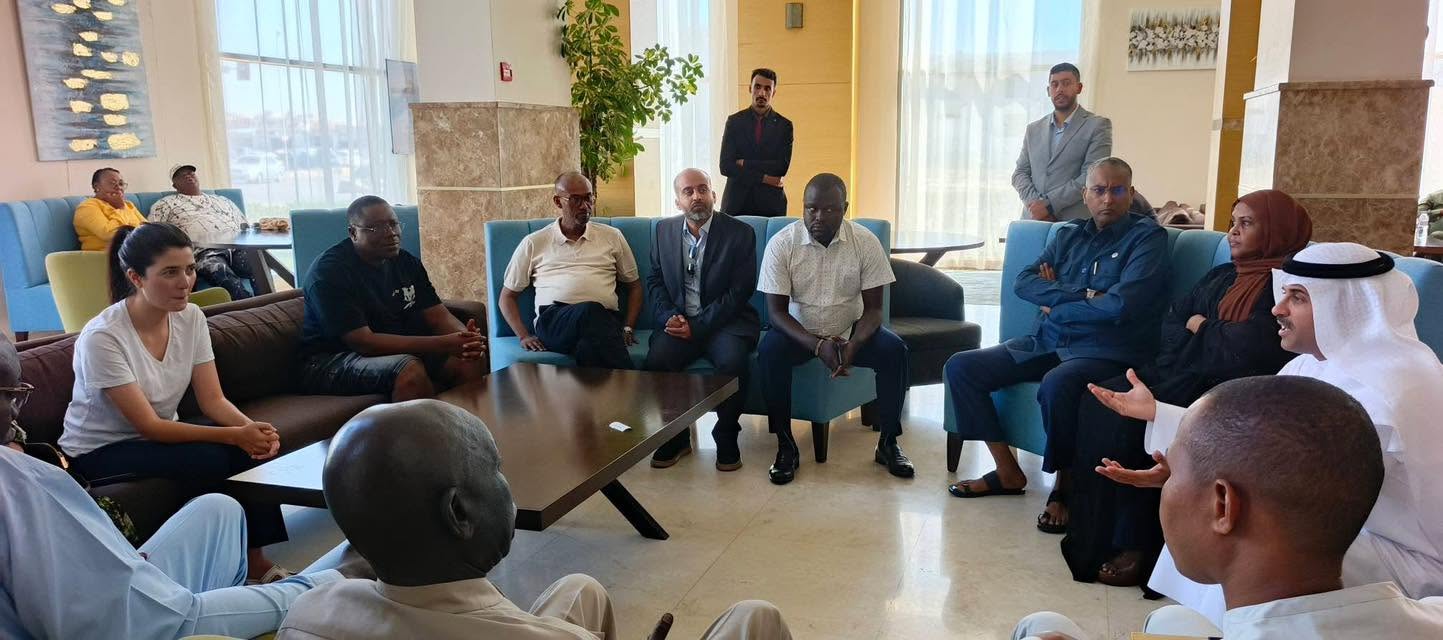
Upon their arrival, the Liberian lawmakers received an official welcome from senior officials of the Libyan House of Representatives, including the Deputy President of the Council, who conveyed greetings from Libya’s parliamentary leadership and reaffirmed the importance of strengthening cooperation among participating nations.
Beyond ceremonial diplomacy, Liberia’s participation reflects a growing recognition that legislative engagement has become an important component of foreign policy and international development. Parliamentary forums such as the AAPC increasingly serve as platforms where lawmakers exchange ideas, build relationships, and explore collaborative solutions to shared challenges.
Leading the Liberian delegation is Johnson S.N. Williams Sr., who is accompanied by lawmakers and senior legislative staff representing the 55th Legislature of the Republic of Liberia. Other members of the delegation include Mustapha Warritay, Samuel N. Browne Sr., Mr. Robert B. Haynes, and Mr. Fredrick David.
Conference organizers also arranged a tour of Benghazi for the visiting delegation, providing participants with an opportunity to observe the city’s ongoing reconstruction and development efforts. The Liberian representatives visited several major institutions and landmarks, including the Benghazi International Stadium, the University of Benghazi, the National Events Hall, and the city’s modern library complex.
The visits offered insight into Libya’s efforts to rebuild and modernize key sectors despite years of political and security challenges. For many observers, Benghazi’s transformation serves as a reminder of the role institutions, infrastructure, and governance play in national recovery and development.
Members of the Liberian delegation expressed appreciation for the hospitality extended by their Libyan hosts and emphasized the importance of the conference as a platform for fostering stronger bilateral and multilateral relationships.
Analysts note that such engagements can provide smaller nations like Liberia with valuable opportunities to expand diplomatic networks, attract development partnerships, and learn from the experiences of other countries confronting similar governance and economic challenges.
The conference itself is expected to focus on strengthening cooperation among member states, promoting sustainable development, enhancing regional stability, and advancing policies that improve the lives of citizens across Asia and Africa.
For Liberia, participation in the summit represents more than attendance at an international gathering. It reflects a broader effort to expand the country’s diplomatic reach, strengthen parliamentary cooperation, and ensure that Liberian perspectives are represented in conversations shaping the future of two of the world’s most dynamic regions.
As deliberations begin in Benghazi, the significance of the event will ultimately be measured not only by diplomatic exchanges but by the partnerships, ideas, and opportunities that lawmakers bring back home to support Liberia’s development agenda.


