


MONROVIA, Liberia — Will two major financing agreements now before the Liberian Senate become the catalyst for a long-awaited transformation in Liberia’s digital and transportation sectors, or will they join a list of ambitious development initiatives that struggled to meet public expectations?
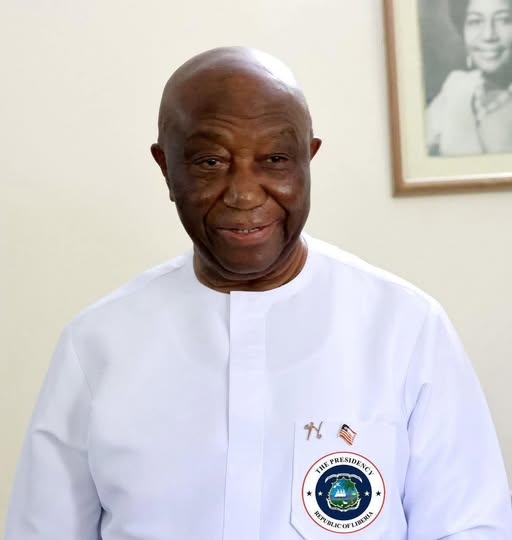
That question is likely to dominate discussions in the coming weeks after President Joseph Nyuma Boakai formally submitted two significant financing instruments to the Liberian Senate, seeking legislative approval for projects aimed at expanding digital connectivity and improving critical road infrastructure.
The agreements, transmitted to the Senate for ratification, represent some of the administration’s latest efforts to secure international development financing for sectors widely regarded as essential to Liberia’s long-term economic growth, competitiveness, and modernization agenda.
At the center of the President’s request is a Financial Agreement between the Republic of Liberia and the International Development Association (IDA) under the Western Africa Regional Digital Integration Program – Series of Projects 2. The initiative seeks to strengthen digital infrastructure, improve regional connectivity, expand access to technology, and promote greater integration among West African nations through modern digital services and systems.
Government officials believe the project has the potential to accelerate Liberia’s digital transformation by reducing technological barriers, improving public service delivery, and creating new opportunities for innovation, entrepreneurship, and economic participation.
Bridging Liberia’s Digital Divide
For years, limited digital infrastructure has remained a significant challenge for Liberia’s development ambitions.
While technological advancements continue to reshape economies around the world, many Liberians—particularly those in rural communities—still face challenges related to internet access, digital literacy, and connectivity.
The proposed regional digital integration initiative is expected to address some of these longstanding obstacles by improving digital infrastructure and expanding access to services that increasingly drive modern economies.
Officials say improved digital connectivity could enhance government efficiency, facilitate electronic commerce, strengthen educational opportunities, and increase access to information and financial services.
The project also aligns with broader regional efforts to build interconnected digital systems capable of supporting economic integration across West Africa.
Supporters argue that investment in digital infrastructure is no longer optional but essential for countries seeking to compete in a rapidly evolving global economy.
However, questions remain regarding implementation timelines, institutional capacity, and the extent to which ordinary Liberians will directly benefit from the anticipated improvements.
Road Project Targets Economic Connectivity
Alongside the digital integration initiative, President Boakai has also requested Senate ratification of a financing framework for the Salayea-to-Konia Road Upgrade Project, a major infrastructure undertaking expected to significantly improve transportation access in northern Liberia.
The project, which is supported through financing arrangements involving the OPEC Fund for International Development, is designed to upgrade one of the country’s important transportation corridors connecting communities in Lofa County and surrounding regions.
For residents and businesses in the area, road connectivity has long been viewed as a critical development challenge affecting trade, agriculture, healthcare access, education, and overall economic activity.
Government officials believe the upgraded roadway will help address many of these concerns by reducing travel times, improving mobility, and creating more efficient links between rural communities and commercial centers.
Infrastructure experts have consistently emphasized that road networks play a crucial role in national development, particularly in countries where agriculture remains a major contributor to economic activity.
Improved transportation infrastructure can lower the cost of moving goods, increase market access for farmers, facilitate investment, and improve access to essential social services.
The Salayea-to-Konia project is therefore being viewed as more than a road construction initiative; it is also being considered a potential economic development corridor capable of stimulating broader regional growth.
International Financing and Development Priorities
The submission of both agreements highlights the government’s continued reliance on international development financing to advance strategic national priorities.
As Liberia seeks to accelerate economic growth and improve public infrastructure, partnerships with institutions such as the International Development Association and the OPEC Fund for International Development have become increasingly important sources of support.
The administration maintains that these partnerships provide opportunities to address critical infrastructure gaps while strengthening sectors essential for sustainable development.
At the same time, public scrutiny of externally financed projects remains high, particularly regarding implementation, transparency, accountability, and long-term impact.
Observers note that while financing agreements often generate optimism, the ultimate success of such initiatives depends on effective project management, timely execution, and measurable benefits for citizens.
Senate Review Now Underway
Under Liberia’s constitutional framework, international financing agreements of this nature require legislative approval before they can take full effect.
As a result, both instruments have now been formally forwarded to the Liberian Senate, where lawmakers are expected to conduct reviews and deliberations before deciding whether to grant ratification.
Senators are anticipated to examine the financial terms, development objectives, implementation mechanisms, and projected benefits associated with each project.
The review process is expected to attract considerable attention, particularly given the importance of digital infrastructure and transportation development to Liberia’s broader economic strategy.
A Test of Development Ambitions
If ratified and successfully implemented, the two initiatives could represent major investments in sectors widely recognized as critical to Liberia’s future competitiveness.
Enhanced digital infrastructure could help position Liberia to participate more effectively in the digital economy, while improved road connectivity could strengthen trade, agriculture, and regional integration.
Yet beyond the financing agreements themselves lies a broader question: Can these projects deliver the transformative impact that citizens expect?
For many Liberians, the answer will ultimately depend not on the signing of agreements or the announcement of financing packages, but on tangible results that improve daily life, expand economic opportunities, and contribute to sustainable national development.
As the Senate prepares to review the proposals, both projects now stand at a pivotal stage one that could shape Liberia’s digital and transportation landscape for years to come.


