


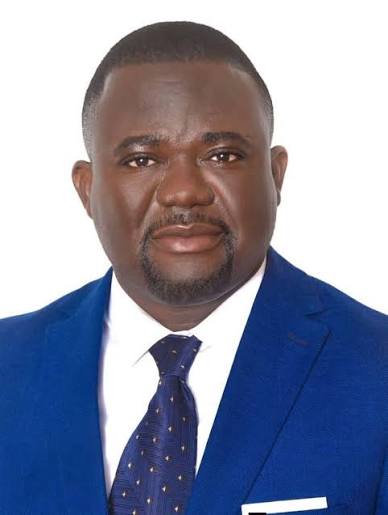
Liberia’s witness protection framework is being put to a critical test as authorities move to safeguard key individuals linked to a major narcotics investigation involving a multi-million-dollar cocaine seizure at Roberts International Airport.
The Witness Protection Agency (WPA) has announced the activation of comprehensive protective measures for airport security official Oscar Brown and other cooperating individuals connected to the case. The decision follows reported threats and rising concerns about the safety of those assisting investigators in one of the country’s most significant drug enforcement operations in recent years.
The case centers on the seizure of approximately 237.6 kilograms of cocaine, valued at an estimated US$19.2 million, underscoring the scale and sensitivity of the investigation. Officials say such high-value cases often carry elevated risks for witnesses and insiders.
According to the WPA, its intervention was prompted by public statements made by Brown, who alleged that his life had been threatened due to his involvement in the investigation. He reportedly disclosed that he received warnings advising him not to return to Liberia after attending a training program abroad, citing fears of arrest or potential harm upon arrival.
While Brown has confirmed that he is currently safe, he has expressed ongoing concerns about his personal security. In response, the WPA, with authorization from the Ministry of Justice, has initiated a range of protective measures. These include physical security arrangements, relocation options, legal support, psychosocial services, and welfare assistance for witnesses deemed at risk.
Authorities emphasized that protections extend beyond individual witnesses to include family members who may face threats as a result of their association with the case. The agency is also encouraging any person with relevant information who feels endangered to come forward under the guarantees provided by the Witness Protection Act of 2021.
The situation highlights the growing importance of institutional safeguards in tackling organized crime, particularly as Liberia strengthens its response to transnational drug trafficking. Effective witness protection is widely seen as essential to ensuring cooperation, securing prosecutions, and maintaining public confidence in the justice system.
In a related development, the WPA commended the General Manager of GLS, Paul J. King, for voluntarily presenting himself to the Joint Security Task Force, describing the move as a positive signal of cooperation and respect for legal processes.
As the investigation unfolds, attention is expected to remain on how effectively Liberia’s security institutions can protect witnesses while advancing accountability in complex criminal cases.


