


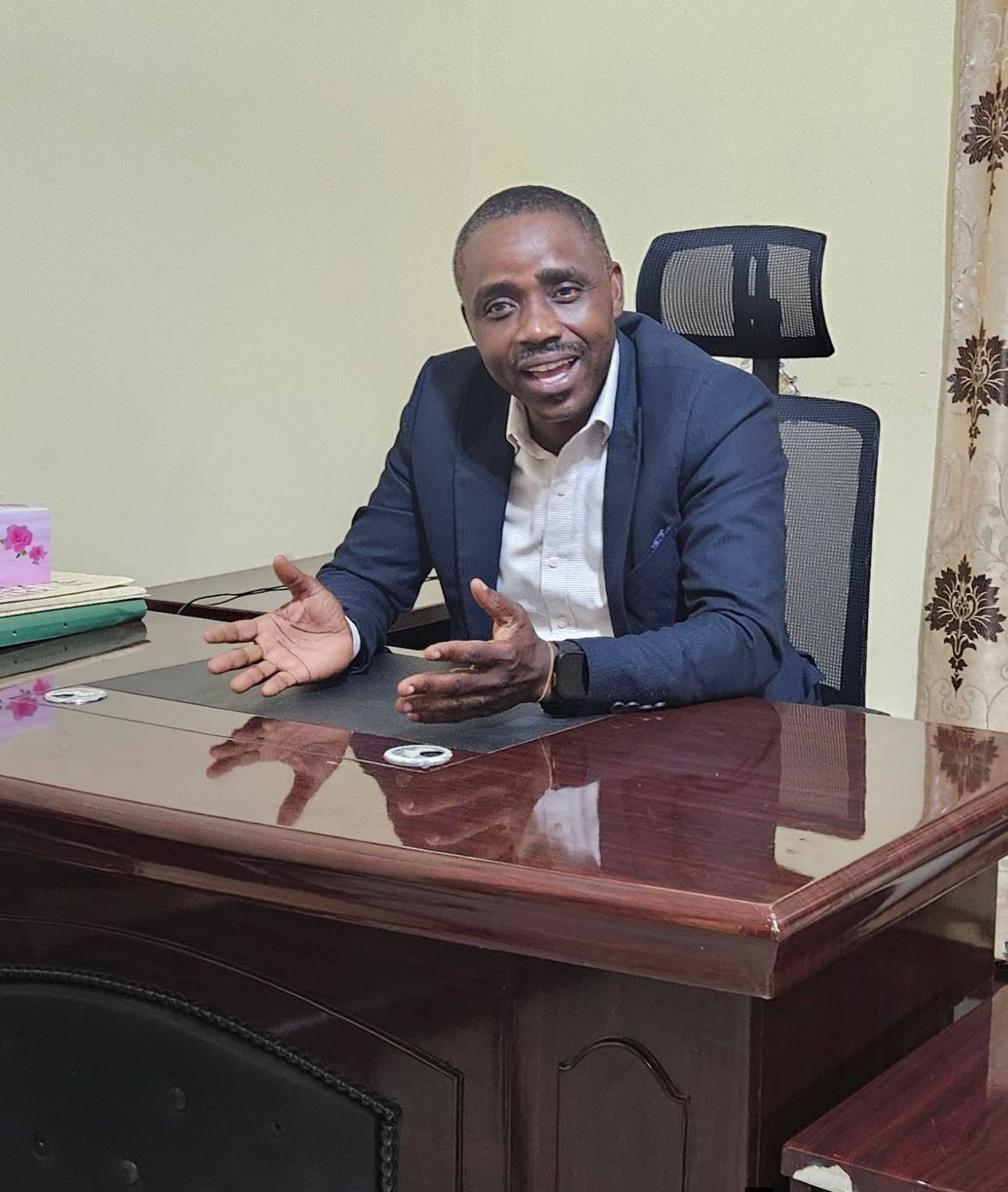
Atty. Abraham Godsent Wheon writes a piercing account of how the Paul King drug case unfolded—not as a story of voluntary justice, but of international coercion and a government that looked away too long.
“Paul King did not voluntarily turn himself in. Thanks to international partners.
For weeks, the Government appeared comfortable with the fact that Paul King, CEO of GLS; Emmanuel T. Zeon, transporter of the drugs; and Oscar Brown, the Security Manager who was reportedly in China but had knowledge of the matter and attempted to contact airport security personnel, remained at large.
However, interest from the United States and British governments reportedly changed the dynamics. It is clear that international pressure compelled Paul King to return to Liberia rather than risk arrest abroad.”
This is not heroism. This is exposure forced from outside.
Now, according to Wheon, the investigation points to something far more damning: Paul King himself allegedly tried to bribe airport security.“According to accounts circulating around the investigation, it was Paul King who instructed GLS Security Manager Philip Youh to inform airport security officers that he would provide them with approximately US$500 if they simply returned the consignment to Emmanuel Zeon so it could be taken away.”
When the drugs were discovered, Philip Youh called King for guidance. King gave phone numbers. One person answered, panicked, said he was “on a highway,” hung up, and disappeared.
“Another troubling event is that Paul King later attempted to delete messages previously sent to Philip Youh. However, Philip reportedly preserved evidence by taking screenshots of other messages, including the contact numbers that had been provided.
Investigators, including members of the NSA and the joint investigation panel, have been informed of this and are in possession of Philip’s phone.”
This leads to Wheon’s sharpest question:
“Why are investigators seemingly less interested in the phone numbers and contacts supplied by Paul King, which could potentially lead to other members of the network, while focusing so heavily on Philip Youh as a person of interest?
Many would have expected Philip to be utilized as a key witness capable of helping investigators trace the individuals connected to the consignment.”
Instead, Philip the security officer who stopped the shipment—is being treated as a suspect. The officers who refused bribes and exposed the operation are not being honored. They are being questioned.
“The strange part is, rather than recognizing the security officers who reportedly refused bribes and exposed the operation, there are concerns that those same officers are being treated as persons of interest.”
Wheon demands the government stop distracting the public and start answering real questions:
“The Government should stop distracting the public with discussions of their sponsored Rescue Rambo CCTV footage and instead address the names and contacts allegedly connected to this case.
The public deserves answers.
Now that Paul King has returned to Liberia, the Government must provide a full and truthful update. Investigators should thoroughly examine Philip’s phone, require explanations regarding the contacts allegedly provided, and determine why there was an alleged attempt to delete communications after those contacts had been shared.”
His final warning is clear:
“No one should be beyond scrutiny, and no one should be beyond accountability.
No Where To Hide.
We are getting there.”


