


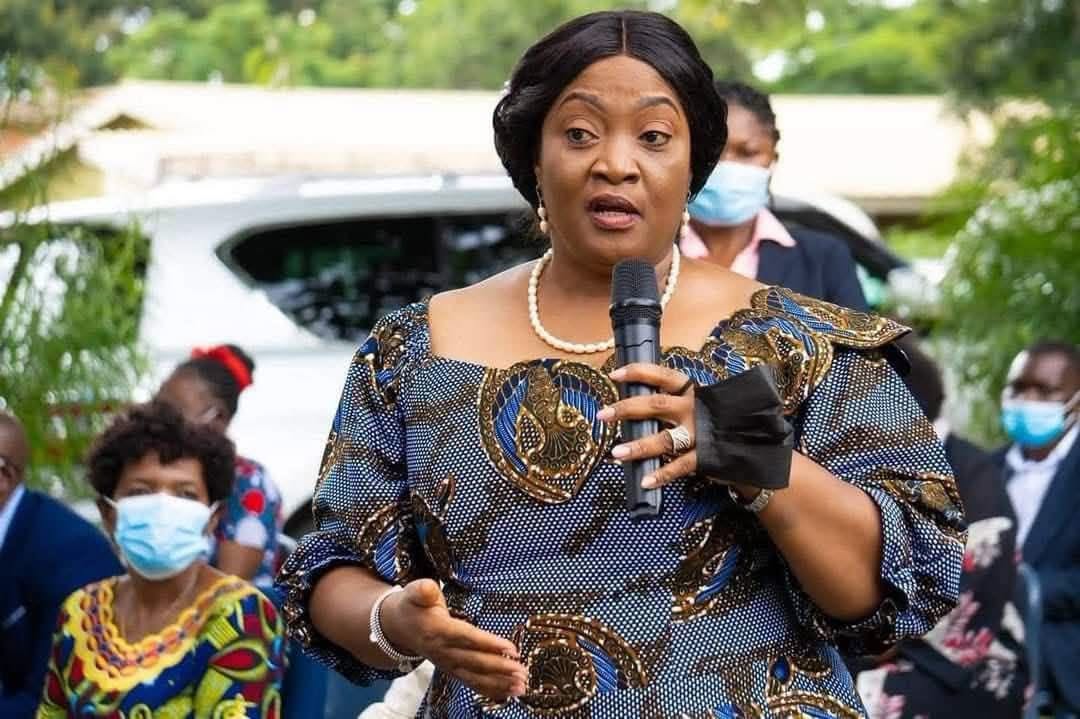
MONROVIA, LIBERIA — Former Vice President Jewel Howard Taylor has sparked a fresh debate about the tone of Liberia’s public discourse, arguing that the country risks becoming consumed by negativity if citizens, political actors, and the media focus exclusively on failures while ignoring signs of progress.
Her remarks come at a time when Liberia is grappling with complex national challenges, including economic hardship, governance concerns, and a growing drug epidemic. Yet, according to Taylor, these realities should not overshadow developmental gains that continue to emerge across various sectors.
Speaking on recent national developments, the former Vice President criticized opposition politicians and sections of the media for what she described as a tendency to amplify bad news while giving limited attention to achievements that could inspire public confidence and national optimism.
At the center of her argument was the recent groundbreaking ceremony for a new maternity hospital, a project she characterized as one of the most significant healthcare investments in Liberia’s post-war history. Taylor said the initiative represents tangible progress in efforts to improve maternal healthcare services and expand access to quality medical care for women and children.
For her, projects of this nature deserve greater public recognition because they reflect long-term investments in the country’s future rather than short-term political narratives.
“Liberia is becoming a negative society,” Taylor lamented, warning that an environment dominated by criticism alone can undermine national morale and diminish appreciation for genuine developmental achievements.
Her comments highlight a broader debate that has increasingly shaped Liberia’s political landscape: the balance between holding leaders accountable and acknowledging positive developments.
Supporters of Taylor’s position argue that national conversations often become disproportionately focused on scandals, political disputes, and institutional failures, leaving little room for discussions about progress in healthcare, education, infrastructure, and other sectors.
Critics, however, contend that robust scrutiny from the opposition and independent media remains essential to democratic governance. They argue that public criticism plays a vital role in exposing shortcomings, demanding accountability, and ensuring that government institutions remain responsive to citizens’ needs.
Notably, Taylor did not dismiss the challenges facing the country. She specifically identified Liberia’s growing drug crisis as one of the most serious threats confronting the nation, particularly its young population.
According to her, the widespread availability and abuse of illicit substances continue to devastate communities and jeopardize the future of thousands of Liberian youths.
“The drugs situation is a major concern because it is destroying the youth of this country,” she warned.
Her acknowledgment of the drug crisis reflects the complexity of the message she sought to convey: that recognizing progress should not mean ignoring problems, but rather creating a more balanced national conversation that addresses both.
Political observers say Taylor’s remarks arrive amid heightened debates over governance, development priorities, public accountability, and social challenges. These discussions have intensified as Liberians continue to assess government performance while confronting rising concerns over unemployment, drug abuse, and economic pressures.
The reaction to her comments has been mixed. Some Liberians agree that positive national achievements often receive less attention than they deserve, while others insist that critical reporting and political opposition remain indispensable tools for strengthening democracy and improving governance.
Ultimately, Taylor’s intervention raises a broader question about the direction of Liberia’s public discourse. As the country navigates difficult challenges and ambitious development goals simultaneously, the debate may no longer be whether criticism is necessary, but whether Liberia can find a healthier balance between confronting its problems and recognizing its progress.


