



VOINJAMA, LOFA COUNTY — A murder case involving an 18-year-old defendant and a 55-year-old victim has ended with one of the harshest penalties available under Liberian law, drawing renewed attention to issues of youth violence, criminal accountability, and the challenges facing the country’s justice system.
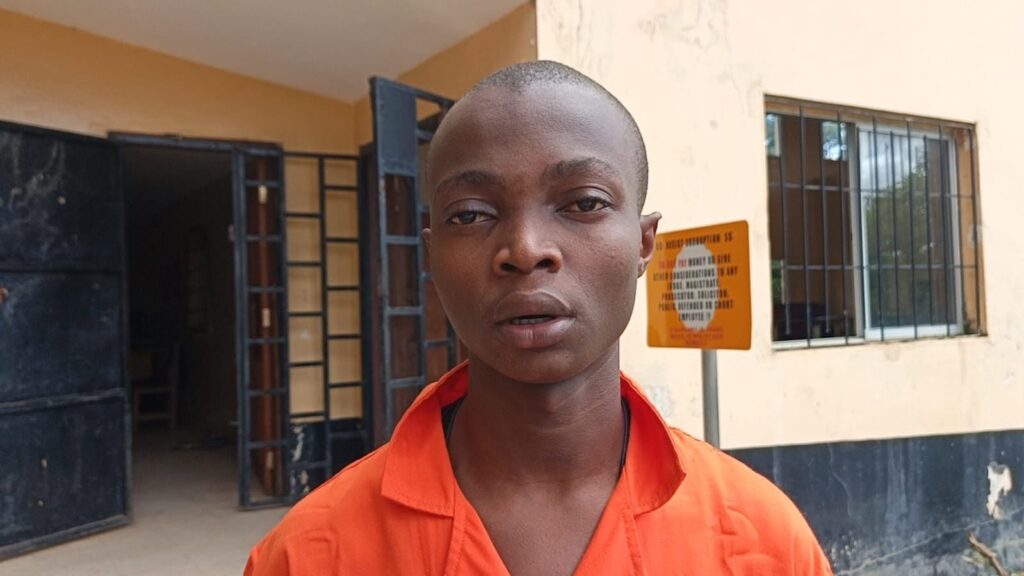
The Resident Judge of the 10th Judicial Circuit Court in Voinjama, Nancy Finda Sammy Kparkillen, has upheld a jury’s guilty verdict against 18-year-old Kollie Morris, affirming his conviction for murder and aggravated assault in connection with the death of 55-year-old Olaman Kpakolo.
The ruling leaves intact a life sentence for murder, along with an additional five-year sentence for aggravated assault, effectively bringing a close to the trial phase of a case that has generated significant public interest throughout Lofa County.
The court’s decision followed months of legal proceedings during which prosecutors argued that Morris carried out a violent attack that ultimately resulted in Kpakolo’s death. After reviewing witness testimony, evidence, and arguments from both sides, the jury concluded that the prosecution had proven its case beyond a reasonable doubt.
By affirming the verdict, Judge Kparkillen signaled that the evidence presented during the trial sufficiently supported the jury’s findings and rejected efforts by the defense to overturn the conviction.
While the verdict provides a measure of closure for the victim’s family, the case continues to raise broader questions about the circumstances that led to the fatal confrontation and the social realities facing many young people in rural Liberia.
Defense lawyer Tobey J. Raynes has already filed an appeal to the Supreme Court, arguing that critical factors were not adequately considered during the trial. According to the defense, Morris allegedly acted after being provoked by the victim. The appeal also challenges aspects of the medical response following the incident, claiming that Kpakolo arrived at a hospital alive but was not attended to promptly before later being pronounced dead.
The Supreme Court will now determine whether any legal errors occurred during the proceedings that would justify reviewing or overturning the conviction.
Beyond the legal arguments, the case has exposed the human tragedy affecting both families involved.
For relatives of Olaman Kpakolo, the ruling represents justice for a life lost. For Morris, however, the sentence means spending the remainder of his life behind bars unless future appeals succeed.
Speaking publicly for the first time since the incident in an interview with Radio Kintoma News, the teenager expressed despair over his future.
Morris described himself as the only child of a mentally ill mother and said his father had passed away. Faced with the prospect of life imprisonment, he voiced fears about spending the rest of his life incarcerated and made troubling comments about harming himself.
His remarks have prompted concern among some observers about the psychological impact of lengthy prison sentences on young offenders and the need for mental health support within Liberia’s correctional system.
Legal experts note that murder cases often depend heavily on witness credibility, forensic evidence, and the sequence of events surrounding the crime. In this case, the jury concluded that the prosecution’s evidence met the legal threshold required for conviction.
The ruling stands as a reminder of the severe consequences of violent crime, while also highlighting deeper social questions surrounding youth behavior, conflict resolution, mental health, and access to justice.
As the case moves toward the appellate stage, it is likely to remain a subject of public discussion—not only because of the gravity of the crime, but because it involves two lives forever altered by a single violent encounter: one lost, and another now facing life behind prison walls.


