


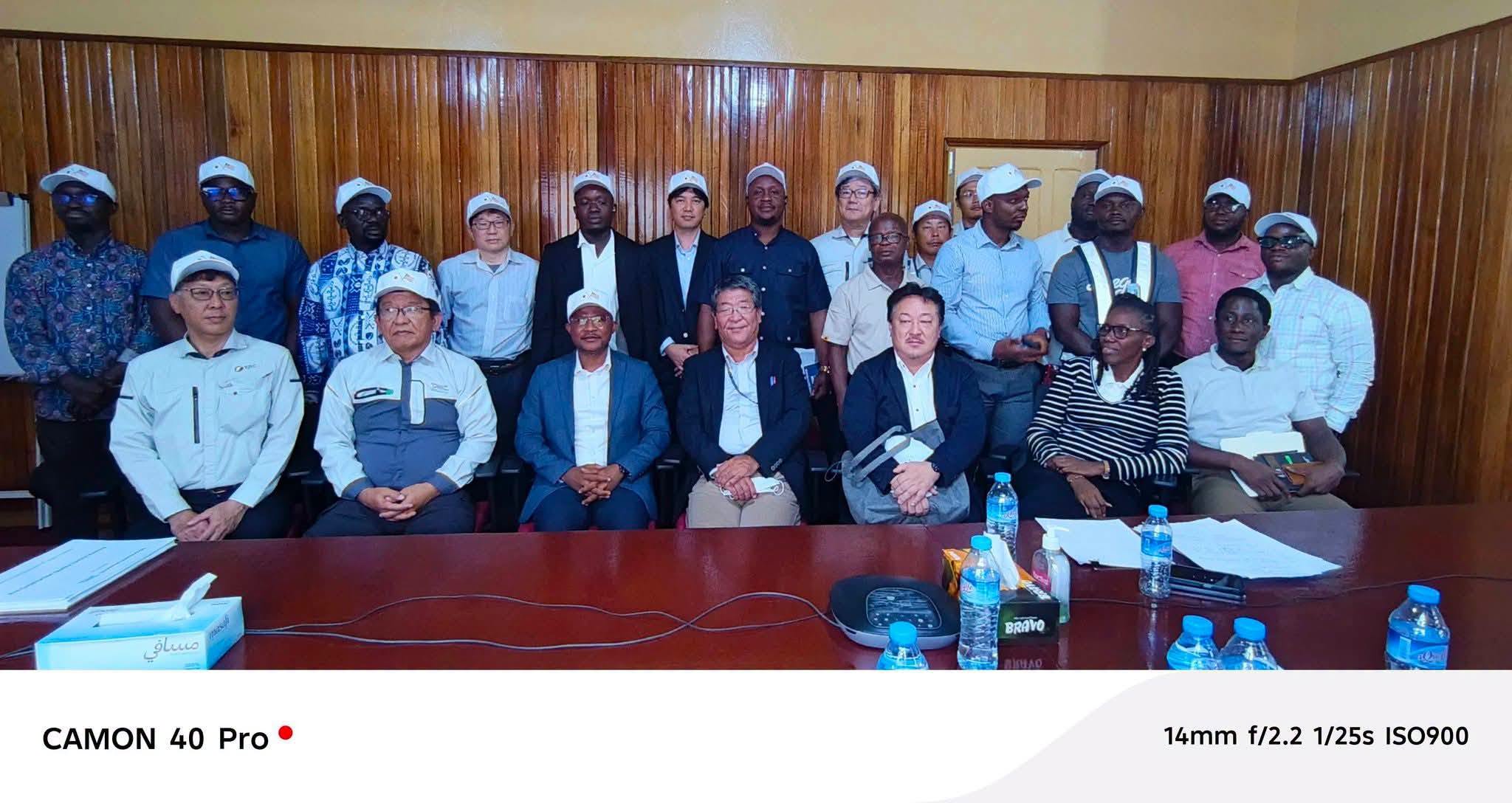
MONROVIA, Liberia — With the July 3, 2026 groundbreaking for the expansion of the Japan Freeway to the Gabriel Tucker Bridge approaching, the Ministry of Public Works has intensified technical and coordination talks with the Japan International Cooperation Agency (JICA), contractors, and project consultants to assess readiness and address key engineering and implementation risks before civil works commence.
The pre-construction and quality control meeting was convened to ensure that all technical, environmental, and logistical requirements are aligned ahead of the official launch of what is expected to be one of Monrovia’s most significant road infrastructure upgrades in recent years.
Opening the discussions, Deputy Minister for Administration and Acting Minister of Public Works, Samuka A. Dunnoh, expressed appreciation to the Government and people of Japan for financing the project through a grant arrangement. He reaffirmed Liberia’s commitment to maintaining strong bilateral cooperation to ensure successful delivery of the freeway expansion.
“We extend heartfelt gratitude to the Government and People of Japan for this grant to extend the Japan Freeway to the Gabriel Tucker Bridge,” Dunnoh said, emphasizing government’s commitment to the project’s success.
A central focus of the meeting was technical preparedness, including work scheduling, hydrological assessments, drainage design, and structural durability in a flood-prone environment.
Officials raised concerns about Monrovia’s seasonal flooding patterns, particularly the tendency of rising water levels during the rainy season to damage asphalt surfaces and accelerate pothole formation. The Ministry specifically questioned whether the proposed 900-millimeter culvert design would be sufficient to address drainage challenges, recommending instead a larger 1200-millimeter alternative to improve water flow capacity.
Engineers and consultants acknowledged the concerns and confirmed readiness to proceed with construction, while noting that full implementation remains contingent on the Government of Liberia’s completion of the Resettlement Action Plan (RAP), which is required to clear the project’s right of way.
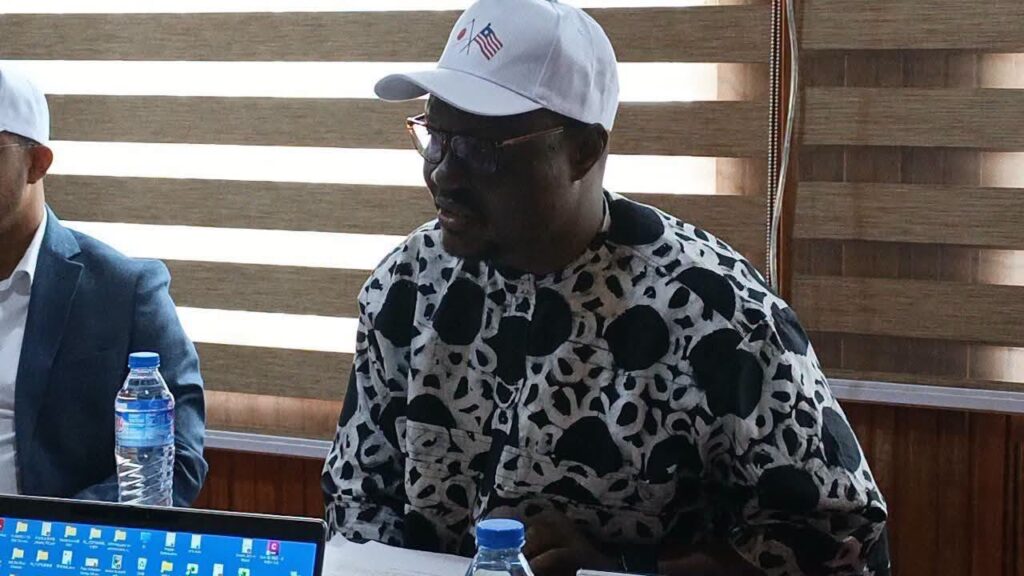
The consultants also indicated that some design elements raised during the review session would be considered for adjustment to better align with environmental and technical realities on the ground. The contractor, meanwhile, presented a detailed implementation schedule outlining phased construction activities following the groundbreaking ceremony.
Deputy Minister for Technical Services, Prince D. Tambah Sr., used the meeting to reiterate government’s broader infrastructure vision, including a proposal to construct a parallel bridge near the Gabriel Tucker Bridge to ease traffic congestion.
He warned that without additional infrastructure support, the transition from a four-lane highway into a dual-lane bridge system could create bottlenecks that undermine the effectiveness of the project.
“The construction of a parallel bridge would complete the idea of traffic decongestion,” Tambah noted, adding that government has already addressed approximately 98 percent of preparatory requirements necessary for project commencement.
The Ministry also reported significant progress on resettlement and compensation processes, confirming that the right of way has largely been cleared and is expected to be formally handed over to the contractor after July 3, 2026.
With civil works expected to begin immediately after the groundbreaking, the project now enters a critical phase where engineering design decisions, environmental considerations, and implementation discipline will determine whether the Japan Freeway expansion delivers long-term relief to Monrovia’s growing traffic and flooding challenges.
As Liberia pushes forward with major infrastructure investments supported by international partners, the success of the project will be closely watched as a test of coordination between government institutions, donors, and contractors in delivering resilient urban road systems.


