


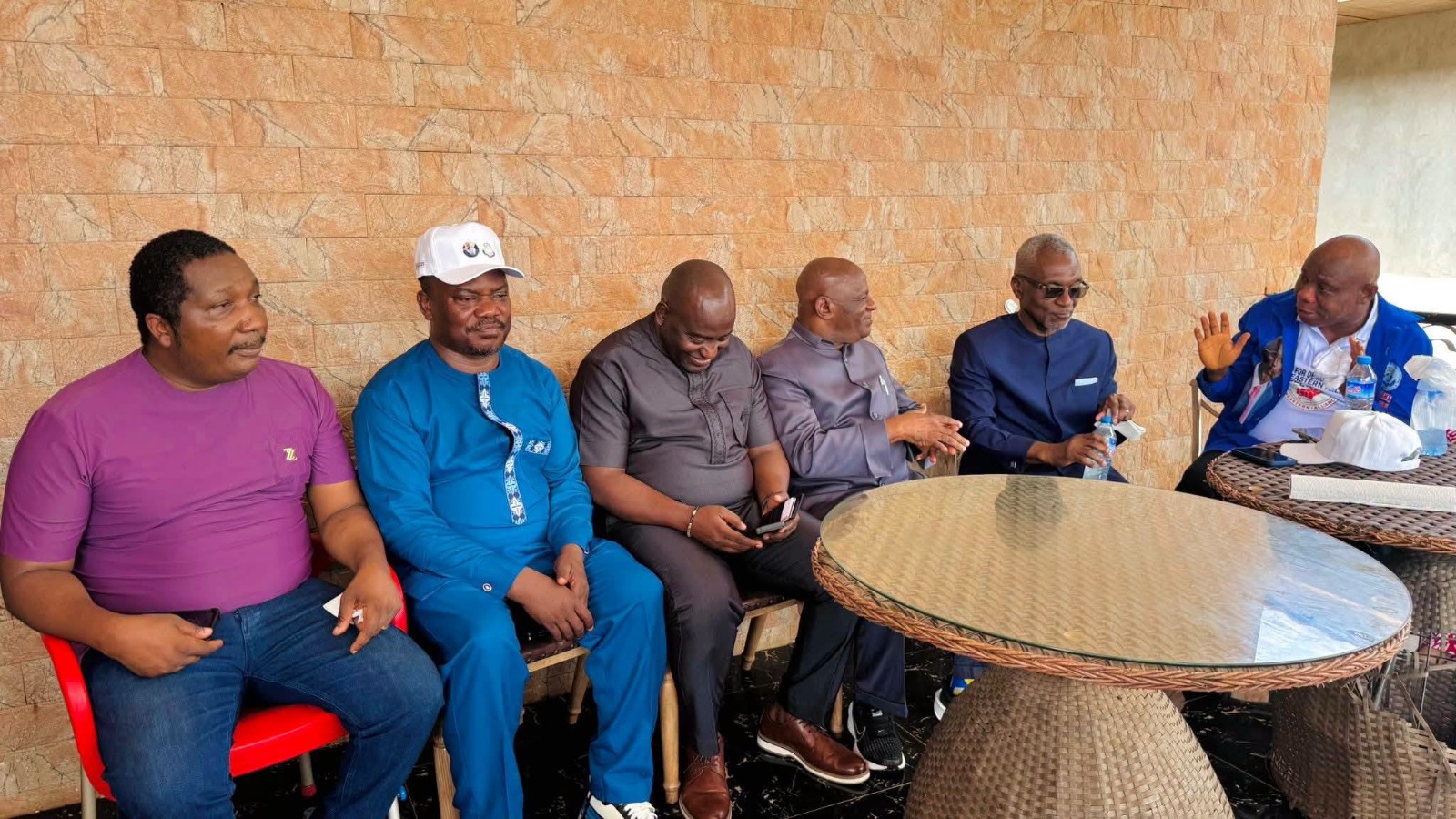
MONROVIA, Liberia — Political Leader of the Citizens Movement for Change (CMC), Hon. Musa Hassan Bility, has issued a reflective statement calling for a fundamentally different kind of opposition alliance in Liberia—one that prioritizes governance reform and national direction over electoral bargaining and political power-sharing.
Bility’s statement follows his acceptance of an invitation from the Congress for Democratic Change (CDC) to attend its anniversary event in Grand Gedeh County, which he described as an opportunity for opposition leaders to engage beyond partisan competition.
“I accepted it in the spirit of democratic maturity, mutual respect, and responsible opposition politics,” Bility stated. “I saw the invitation not merely as a political event, but as an opportunity… to begin the kind of serious conversation Liberia now requires.”
According to him, discussions within the opposition community following the event reflect a growing recognition that Liberia’s political challenges cannot be addressed solely through electoral mobilization.
Instead, he argues, opposition actors must begin to define what kind of governance system they intend to build if they ever assume power.
Bility warned that Liberia’s history of political coalitions demonstrates a recurring pattern of collapse driven by internal competition, distrust, and leadership disputes once electoral objectives are achieved.
“Too often, they have raised the hope of the people and later collapsed under the weight of ambition, ego, distrust, and the struggle over who should lead,” he noted.
He emphasized that any future coalition must be anchored in clear governance principles rather than political convenience, stressing the need for agreement on leadership standards, institutional values, and accountability mechanisms before any electoral victory is achieved.
Central to his argument is the view that opposition collaboration must move beyond what he described as “a power-sharing arrangement for politicians” and instead become a structured national governance project.
Bility posed several foundational questions he believes must guide any serious alliance: the nature of the government opposition forces seek to build, the ethical standards for leadership selection, and the mechanisms for ensuring compliance with pre-election agreements.
“It must answer the real questions: What kind of government do we want to form? What values will guide us? What standards will determine appointments and nominations?” he stated.
While affirming that the CMC remains open to cooperation with other opposition groups, Bility made clear that participation will be conditional on adherence to principles of governance reform, transparency, and national interest.
“We are ready to talk. We are ready to listen. We are ready to work with others,” he said. “But we will support only a coalition that places governance above ambition, country above ego, and the people above political convenience.”
He further warned against repeating what he described as cycles of leadership change without structural reform, arguing that such transitions often preserve the same institutional weaknesses regardless of which party is in power.
As Liberia continues to navigate political realignments ahead of future elections, Bility’s statement adds to a growing debate within opposition ranks about whether unity should be treated as an electoral strategy—or a deeper institutional project aimed at reshaping governance itself.
His concluding message framed the issue as both political and moral.
“Liberia does not need another arrangement that changes faces while preserving the same old system. Liberia needs a coalition of conviction, discipline, transparency, and purpose.” The remarks highlight an emerging fault line in opposition politics: whether collaboration should be driven by immediate electoral advantage or long-term governance transformation.


