


Liberia’s political landscape could see a significant shake-up ahead of the 2029 elections, as former national footballer Theo Weeks formally launches a new political movement aimed at challenging the country’s traditional power structures.
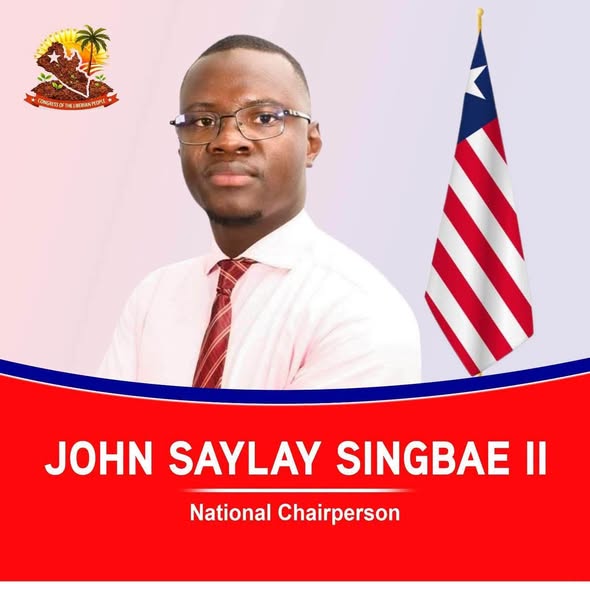
Weeks, once celebrated for his performances with the Lone Star, has announced the formation of the Congress of the Liberian People (COLP), positioning the party as a platform focused on social equity, youth empowerment, and national renewal. He has also confirmed his intention to contest the presidency in 2029.
The move signals a growing trend of public figures from outside conventional politics seeking to capitalize on voter dissatisfaction and generational change. Weeks’ messaging places strong emphasis on addressing poverty, inequality, and what he describes as a lack of opportunity for ordinary Liberians.
In his founding statement, Weeks framed the party as part of a broader historical continuum, drawing parallels between past struggles for national unity and present-day socio-economic challenges. He called for what he characterized as a collective national awakening, urging citizens—particularly young people—to take a more active role in shaping the country’s future.
The COLP’s early platform centers on themes of economic inclusion, justice, and equal opportunity, with Weeks portraying the movement as a response to persistent structural issues affecting communities across Liberia’s counties and diverse ethnic groups.
Political observers note that while it remains early, Weeks’ entry into politics could resonate with younger voters and those disillusioned with established parties. However, they also point out that transitioning from sports prominence to political leadership presents challenges, including building institutional structures, policy depth, and nationwide political networks.
Weeks’ call to action underscores a strategy aimed at mobilizing grassroots support ahead of the next electoral cycle. By framing 2029 as a pivotal moment, he appears to be laying the groundwork for a long-term campaign rather than a short-term political bid.
As Liberia moves toward its next election phase, the emergence of new political actors like Weeks is expected to add a fresh dynamic to the contest, potentially reshaping voter engagement and party competition.


