


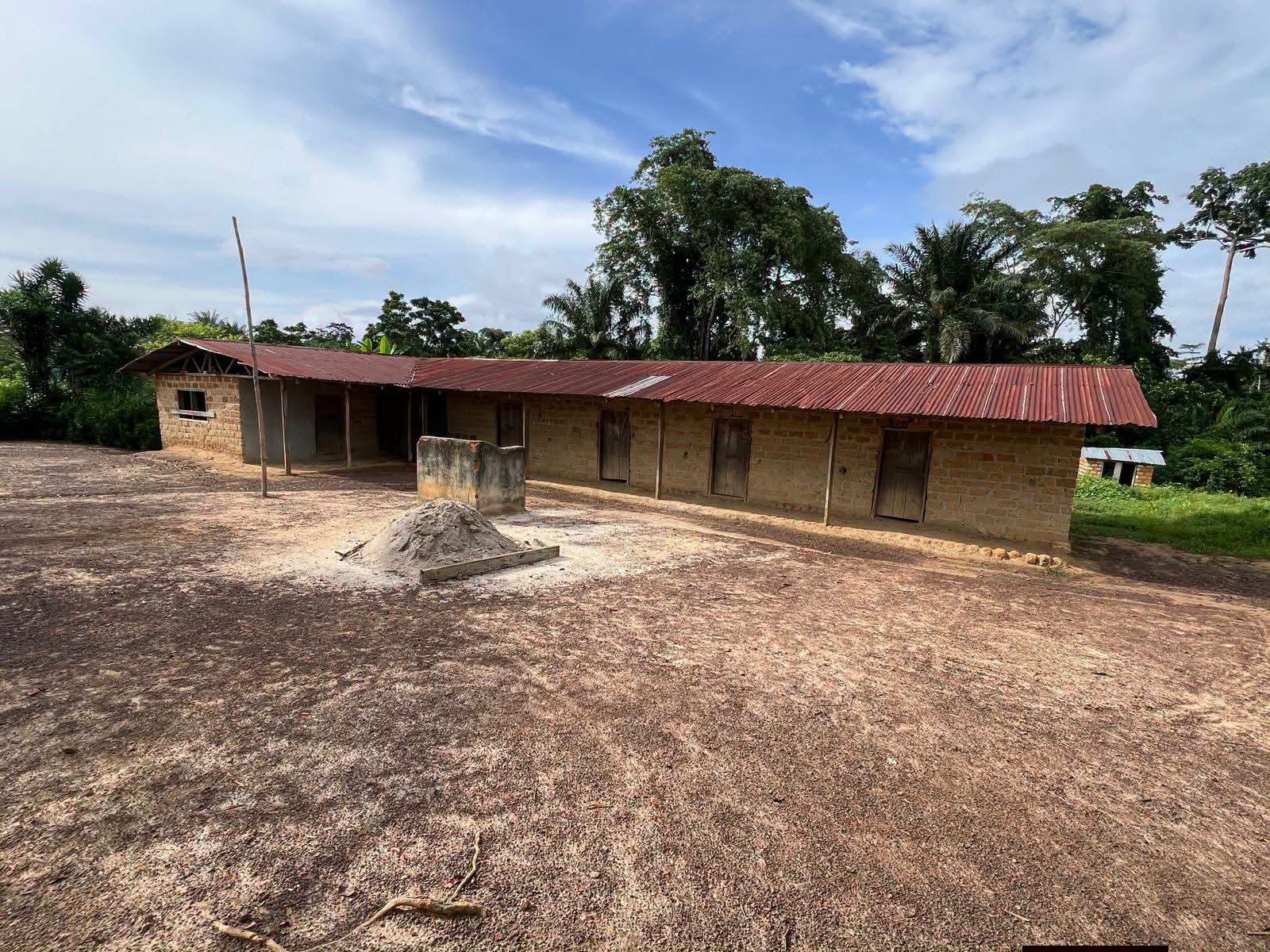
Zahn Yehkeyee Town, Nimba County – In a quiet community of roughly 3,500 people, a crisis is unfolding that strikes at the very heart of human dignity and hope: the town’s only public school, once able to guide children through sixth grade, has been forced to shrink to just second grade. The reason is not lack of children, not lack of desire to learn, but a desperate shortage of teachers—and the government’s failure to honor those who have taught for years without pay.
For families in Zahn Yehkeyee, education is not a luxury. It is the only real path out of poverty, the only way their children can become doctors, teachers, engineers, or leaders who will lift up the entire county. But today, that path ends at second grade.
A Community’s Only School, Crippled by Silence from the Ministry
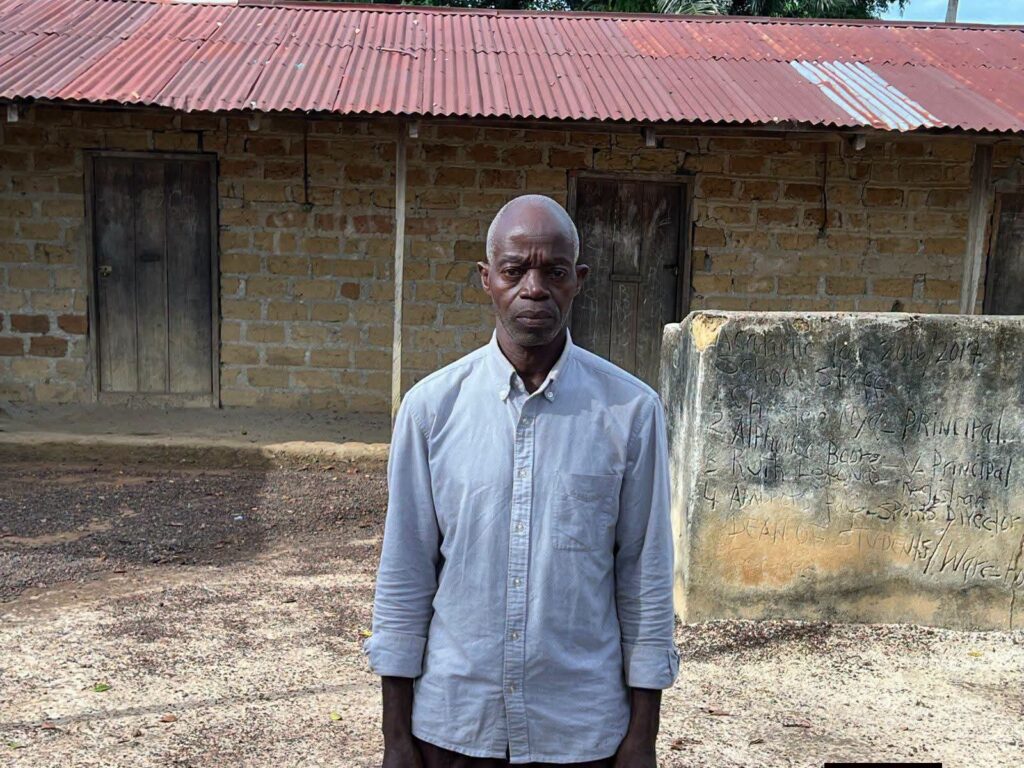
Mr. Eric Garpeh, the principal of Zahn Yehkeyee Public School and the only government-paid teacher at the institution, carries the weight of an entire community on his shoulders. Since 2019, he has taught alone, managing classes from the ABC level through second grade with no backup. When he is called away for training, workshops, or administrative duties, the school shuts down completely. There is no one else.
Five volunteer teachers have held the school together since 2018: Mr. Willie Carzeh, Mr. Ambrok Paye, Mr. Samuel Gonkar, Mr. Ericson Lougon, and Ms. Bettina Mehm. For years, they have sacrificed their time, energy, and opportunity to serve children who have no other option. Yet the government has never placed them on the national payroll. They teach without salaries, without incentives, and without security.
“These teachers have sacrificed their time and energy to help educate our children, but without salaries or incentives, it has become increasingly difficult for them to remain in the classroom,” Mr. Garpeh said.
The message is clear: dedication alone cannot replace a paycheck. And when dedicated volunteers are left unpaid, they eventually leave. When they leave, classes stop. When classes stop, children stop learning.
Second Grade Is Not Enough: Children Forced to Walk Nearly Two Hours or Drop Out
The reduction from sixth grade to second grade has created a brutal reality for families. Children who wish to continue their education beyond second grade must now walk approximately one hour and forty-five minutes on foot to reach schools in neighboring communities. That is nearly two hours each way, every single school day.
For many families, especially those with multiple children, that distance is impossible. Parents cannot afford to send children on such a journey daily. Some children walk anyway, arriving exhausted and unable to focus. Others simply stop going altogether.
Dropouts are rising. Attendance is falling. And the dream of a complete basic education is being erased for hundreds of children in this rural town.
No Materials, No Support, Only Improvisation
Beyond the teacher shortage, the school is also starving for basic teaching and learning materials. In February 2026, the school received a limited supply of educational materials. Since then, there has been no additional support from the Ministry of Education or any government agency.
Mr. Garpeh now improvises what he can: handmade charts, borrowed books, classroom scraps turned into teaching tools. He does this not because he is innovative by choice, but because he has no other option. This is not a story of a school that is struggling despite support. This is a story of a school struggling because support never arrived.
Parents and Residents Are Screaming for Help-But the Silence Continues
Parents and community members in Zahn Yehkeyee are now appealing directly to the Ministry of Education and the Government of Liberia. Their request is simple, urgent, and non-negotiable: Assign additional qualified teachers to the school immediately. Place the five volunteer teachers on the national payroll so they can teach with dignity and security. Provide adequate teaching and learning materials so children can learn without constant improvisation.
Community members fear that without immediate action, hundreds of children in the area will be denied access to quality education. The educational gap in rural Nimba County will widen further, locking another generation into poverty and limiting the entire county’s future.
This Is Not Just About One School. This Is About Liberia’s Promise to Its Children.
The crisis at Zahn Yehkeyee Public School is not unique. It is a mirror reflecting the ongoing challenges faced by many rural schools across Liberia. Shortages of qualified teachers, unpaid volunteers, lack of materials, and distant alternative schools are common stories in rural communities. But common does not mean acceptable.
Every child in Liberia, whether in Monrovia or in a small town in Nimba County, has a right to complete basic education through at least sixth grade. That right is being violated in Zahn Yehkeyee.
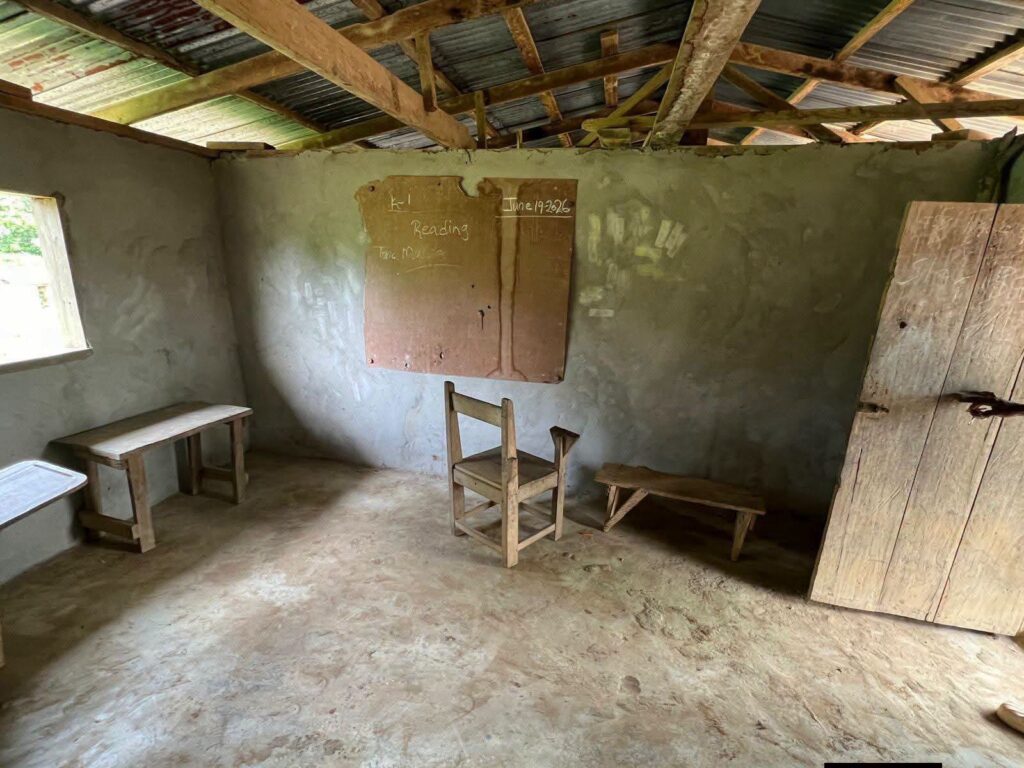
When a town of 3,500 people is forced to accept second grade as the ceiling for their children’s education, the government is not just failing a school. It is failing a community. It is failing children. It is failing the future.
A Direct Call to Policy Makers and the Ministry of Education
This is a call to the Ministry of Education, the President’s office, and all policy makers: Do not let volunteer teachers continue to serve without pay. Pay them now. Do not let children walk nearly two hours to reach a school. Bring education to their doorstep. Do not let a town’s only school shrink further. Restore it to sixth grade immediately. Do not let this story fade into silence. Make Zahn Yehkeyee a turning point, not another forgotten case.
Education is the foundation of every healthy society. When you remove that foundation from a rural community, you do not just hurt children. You hurt families, you hurt the economy, you hurt the nation.
Zahn Yehkeyee Town is waiting. The children are waiting. The volunteer teachers are waiting. The government must act now—before another generation is lost to silence, distance, and empty classrooms.


