


MONROVIA, Liberia — Growing concerns over the welfare of frontline education administrators have prompted the House of Representatives to summon Education Minister Dr. Jarso Jallah to provide answers regarding what lawmakers describe as inadequate salaries and benefits for District Education Officers (DEOs) across Liberia.
The decision, announced during Thursday’s plenary session, reflects increasing legislative concern that low compensation for key education personnel may be undermining efforts to improve school oversight, educational standards, and service delivery throughout the country, particularly in rural and underserved communities.
District Education Officers serve as the Ministry of Education’s principal representatives at the district level, overseeing school operations, monitoring academic performance, coordinating educational programs, and ensuring that national education policies are implemented effectively. However, lawmakers say the financial conditions under which many of these officials operate are not consistent with the importance of their responsibilities.
As part of efforts to address the issue, the House of Representatives has directed Education Minister Dr. Jarso Jallah to appear before lawmakers on Tuesday, June 23, to explain the current compensation structure for DEOs and provide clarity on whether measures are being considered to improve their salaries and benefits.
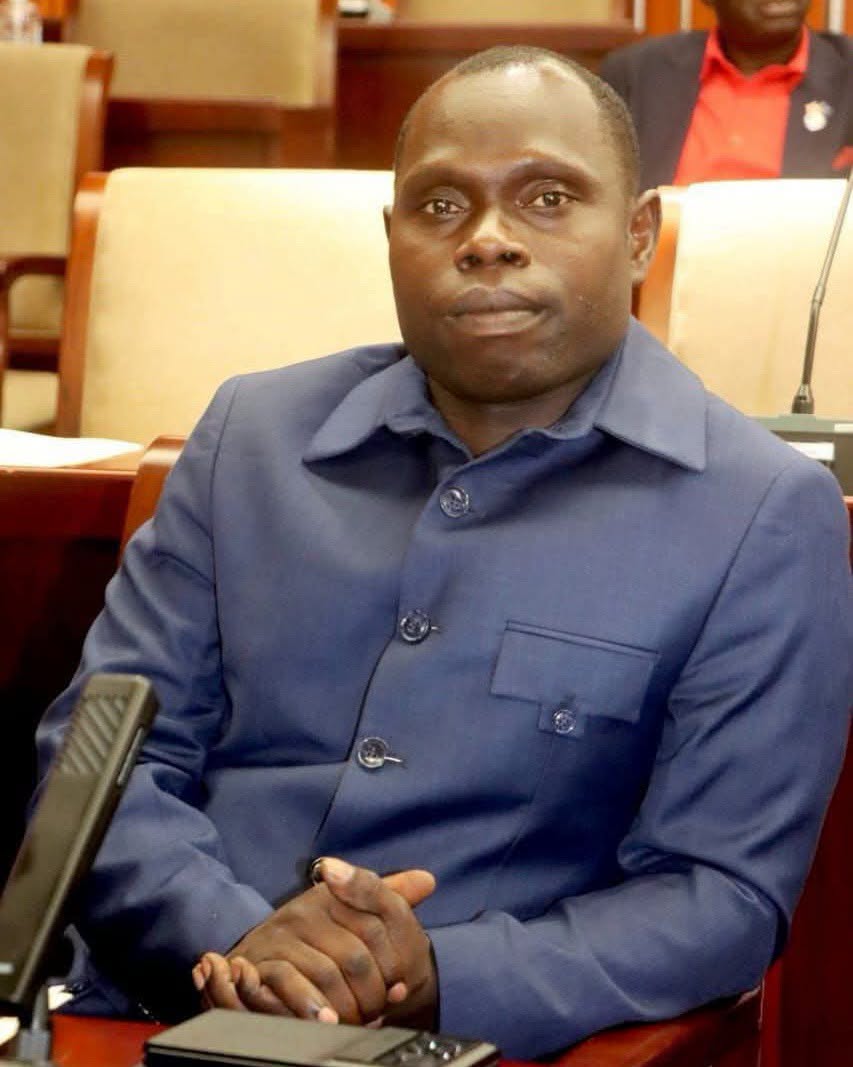
The move follows a formal communication submitted to plenary by Nimba County Electoral District #5 Representative Kortor Kwagrue, who called for a comprehensive review of concerns raised by District Education Officers regarding their remuneration.
According to Representative Kwagrue, several DEOs have approached him seeking legislative intervention, arguing that their current salaries are insufficient and do not reflect the critical nature of their work within Liberia’s education system.
The lawmaker disclosed that many DEOs currently earn approximately US$390 per month, a figure he described as significantly lower than what similar education administrators receive in neighboring countries within the West African sub-region.
Representative Kwagrue noted that the disparity has become a growing source of frustration among education officers, many of whom are tasked with supervising schools across vast geographical areas, often under challenging logistical and financial conditions.
He argued that the issue extends beyond employee welfare and directly affects the quality of educational governance nationwide. According to him, inadequate compensation limits the ability of DEOs to effectively carry out school inspections, monitor teacher performance, support educational programs, and address challenges affecting students and schools.
Lawmakers echoed similar concerns during deliberations, emphasizing that District Education Officers play a vital role in maintaining standards across Liberia’s public education system and should be adequately supported to perform their duties efficiently.
Several members of the House warned that failure to address the issue could have long-term consequences for the education sector, particularly in rural communities where DEOs often serve as the primary link between schools and the Ministry of Education.
The legislators stressed that improving educational outcomes requires not only investments in infrastructure and learning materials but also adequate support for the personnel responsible for implementing policies and ensuring accountability within the school system.
The upcoming appearance by Minister Jallah is expected to provide lawmakers with detailed information regarding current salary structures, benefits packages, budgetary constraints, and any ongoing discussions aimed at improving conditions for District Education Officers.
The hearing is also expected to explore broader issues affecting educational administration, including workforce motivation, retention, operational capacity, and the challenges faced by education officers working in remote parts of the country.
Education stakeholders have increasingly highlighted the importance of strengthening district-level educational leadership as Liberia continues efforts to improve learning outcomes, increase school attendance, and enhance the quality of public education.
For many observers, the House’s intervention signals a growing recognition that achieving meaningful education reform requires investing not only in classrooms and curriculum but also in the professionals responsible for managing and monitoring the system at the grassroots level.
As Minister Jallah prepares to appear before plenary next week, expectations are mounting that the discussion will produce concrete recommendations aimed at addressing concerns raised by District Education Officers and strengthening educational service delivery across Liberia.
The outcome of the hearing could have significant implications for future policy decisions concerning education sector funding, workforce development, and the government’s broader commitment to improving educational standards nationwide.


