


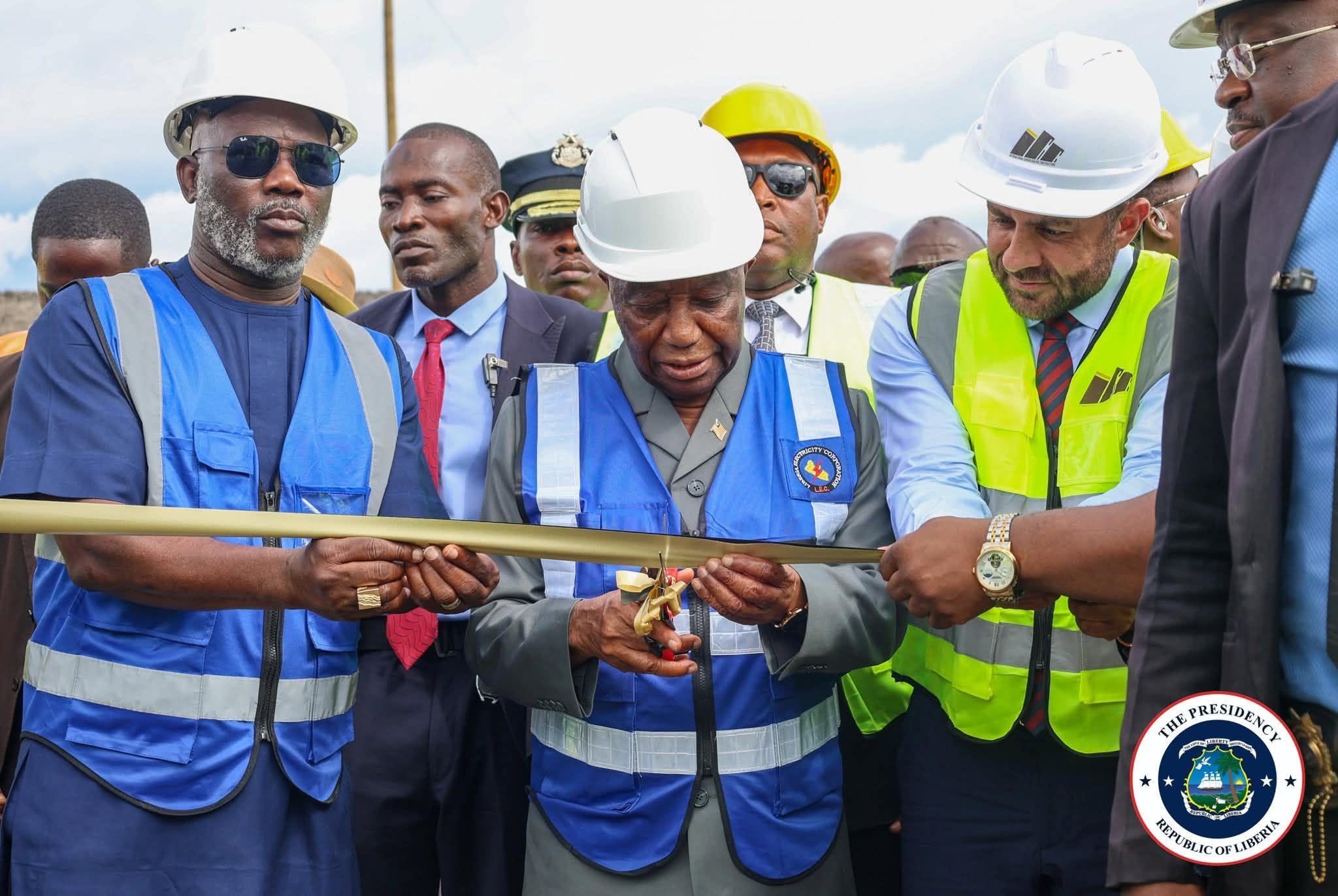
MONROVIA, Liberia — Liberia has taken a major step toward transforming its energy landscape with the commissioning of the country’s first utility-scale 20-megawatt solar power plant, a milestone that environmental authorities say could reshape the nation’s approach to electricity generation, climate action, and sustainable development.
The Environmental Protection Agency (EPA) of Liberia has formally commended President Joseph Nyuma Boakai, Sr. and the Government of Liberia for the successful commissioning of the landmark solar facility in Harrisburg, Montserrado County, describing the project as a historic achievement that signals a new era for clean energy and environmental stewardship in the country.
The commissioning of the 20MW solar power plant represents one of the most significant renewable energy investments in Liberia’s history and reflects growing national efforts to diversify energy sources, strengthen electricity access, and reduce dependence on traditional fossil fuels.
In a statement issued following the inauguration of the facility, the EPA praised the government for demonstrating leadership and commitment to building a more resilient and sustainable energy future for Liberia.
According to the Agency, the project serves as a powerful example of how economic growth and environmental sustainability can advance together, creating opportunities for development while addressing the challenges posed by climate change.
The EPA noted that the solar power plant aligns closely with Liberia’s broader environmental and climate commitments, particularly under the framework of the Paris Climate Agreement.
As part of its updated Nationally Determined Contribution (NDC 3.0), Liberia has pledged to reduce greenhouse gas emissions by 64 percent by the year 2035. Achieving this ambitious target will require substantial investments in renewable energy infrastructure, energy-efficient technologies, climate-smart development initiatives, and other low-carbon growth strategies.
Environmental experts have long emphasized that expanding renewable energy generation is one of the most effective ways for developing countries to reduce emissions while simultaneously meeting growing energy demands.
For Liberia, where access to reliable electricity remains a major development challenge, the new solar facility represents both an environmental and economic breakthrough.
The EPA highlighted that the benefits of the project extend far beyond emissions reductions.
According to the Agency, increased renewable energy generation is expected to strengthen Liberia’s energy security by diversifying the national electricity supply and reducing vulnerability to fluctuations in global fuel markets.
Officials also believe the project will contribute to lowering electricity costs over time, improving energy reliability for households and businesses, and supporting the expansion of economic activities across multiple sectors.
Reliable electricity remains one of the key drivers of national development, influencing productivity, investment, education, healthcare delivery, and industrial growth.
The EPA noted that greater access to affordable and dependable power can help improve the quality of public services, particularly in hospitals, clinics, schools, and other essential institutions that rely heavily on stable electricity supplies.
Additionally, the Agency emphasized that the growth of renewable energy projects creates opportunities for job creation and workforce development within Liberia’s emerging green economy.
As global demand for renewable energy technologies continues to grow, experts believe investments in solar energy can generate new employment opportunities in construction, maintenance, engineering, technical services, and environmental management.
The EPA also used the occasion to acknowledge the institutions and stakeholders whose collaboration contributed to the successful implementation of the project.
Special recognition was extended to the Liberia Electricity Corporation (LEC), the Ministry of Mines and Energy, the Ministry of Finance and Development Planning, development partners, technical experts, and other stakeholders whose collective efforts helped bring the ambitious initiative to completion.
According to the Agency, the commissioning of the solar facility demonstrates the positive results that can be achieved through coordinated planning, strategic investment, and strong partnerships between government institutions and development partners.
As Liberia advances implementation of the government’s ARREST Agenda for Inclusive Development, the EPA encouraged authorities to build upon the momentum created by the solar project through additional investments in renewable energy infrastructure nationwide.
The Agency recommended expanding solar generation capacity, strengthening transmission and distribution networks, investing in energy storage technologies, and promoting decentralized renewable energy solutions capable of reaching remote and underserved communities.
Such initiatives, the EPA noted, could significantly improve access to electricity in rural areas while supporting broader national development objectives.
The Agency further emphasized that renewable energy expansion should remain a central component of Liberia’s long-term development strategy, particularly as countries around the world accelerate efforts to transition toward cleaner and more sustainable energy systems.
Environmental officials argue that the successful commissioning of the Harrisburg solar facility demonstrates that Liberia is capable of pursuing economic development while simultaneously enhancing environmental protection and climate resilience.
The project is also viewed as a symbol of Liberia’s growing participation in global efforts to address climate change and promote sustainable development.
By investing in renewable energy technologies, Liberia positions itself among countries actively pursuing solutions that support both environmental sustainability and economic progress.
The EPA reaffirmed its commitment to supporting government initiatives aimed at reducing greenhouse gas emissions, strengthening environmental governance, promoting clean energy innovation, and advancing Liberia’s role in international climate action efforts.
According to the Agency, the successful delivery of the 20MW solar power plant sends a strong message that Liberia is embracing a future built on cleaner energy, greater sustainability, and increased resilience against environmental challenges.
For many observers, the significance of the project extends beyond the generation of electricity.
It represents a statement of national ambition, demonstrating Liberia’s willingness to invest in modern infrastructure capable of meeting the demands of a rapidly changing world while protecting the environment for future generations.
As the country continues to pursue energy sector reforms and expand access to electricity, the Harrisburg solar facility is expected to serve as a foundation for future renewable energy investments and a model for sustainable development initiatives across Liberia.
The EPA concluded by once again congratulating President Boakai and the Government of Liberia on what it described as a historic accomplishment and called upon public institutions, private sector partners, development organizations, and citizens to support the continued expansion of renewable energy initiatives throughout the country.
With the successful commissioning of Liberia’s first utility-scale solar power plant, the nation has taken a significant step toward achieving a cleaner, greener, and more sustainable future—one powered increasingly by renewable energy and driven by a shared commitment to environmental responsibility and national development.


