


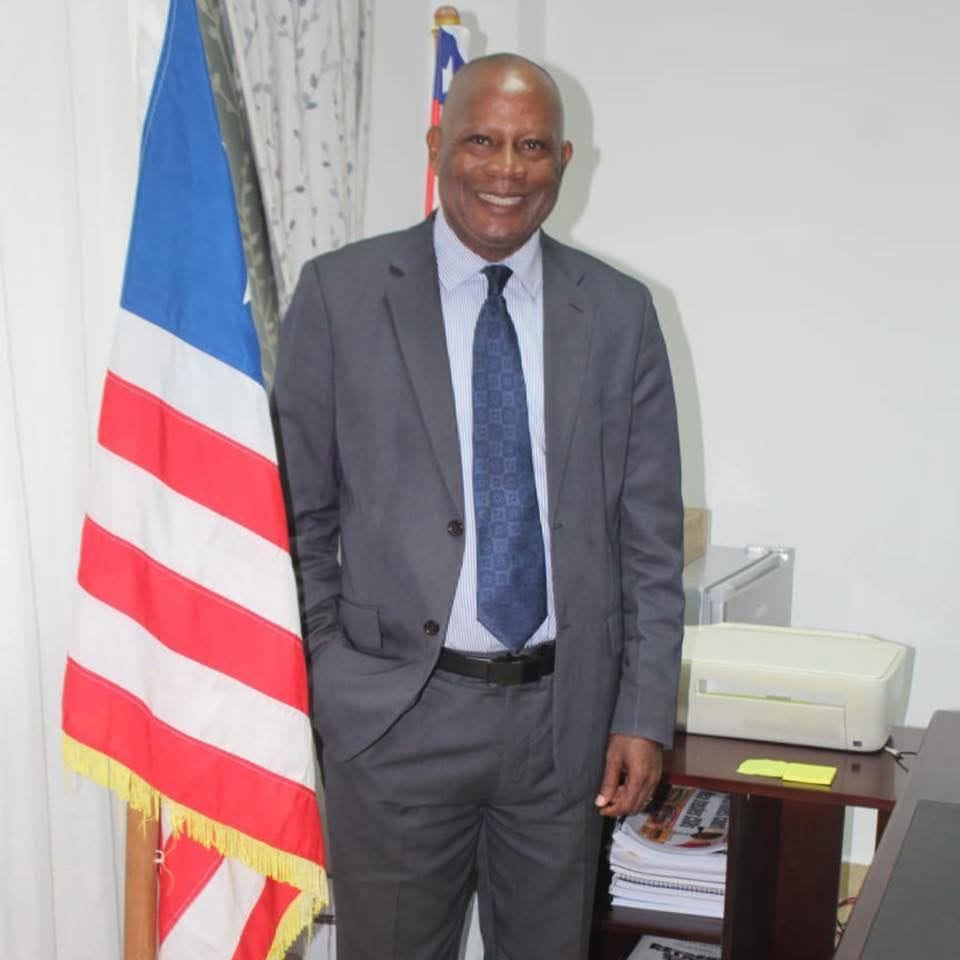
MONROVIA, Liberia — Sinoe County Senator Augustine S. Chea has introduced three major pieces of legislation in the Liberian Senate aimed at addressing critical challenges in healthcare, education, and local governance, signaling what observers describe as a broad policy push focused on social welfare and decentralization.
The proposed measures seek to expand access to emergency medical services, make early childhood education more affordable, and strengthen democratic participation at the local government level.
Announcing the legislative package, Senator Chea said the bills were designed to improve the lives of ordinary Liberians by removing barriers to essential services and promoting greater community involvement in governance.
One of the key proposals would guarantee access to emergency and labor-related healthcare services regardless of a patient’s ability to pay.
The bill, titled “An Act to Establish Free Emergency and Labor Medical Services in Public Health Facilities and to Prohibit the Requirement of Advance Payment for Emergency and Labor Care, Treatment, and Admission at Private Health Facilities,” seeks to address concerns over patients being denied or delayed treatment because they cannot provide immediate payment.
If enacted, the legislation would require all public health facilities to provide free emergency and labor services. It would also prohibit private hospitals and clinics from refusing treatment, stabilization, or admission to patients based on their inability to make advance deposits or payments.
Senator Chea noted that pregnant women, accident victims, and other emergency patients are often placed at serious risk when medical attention is conditioned on financial requirements.
In a separate initiative targeting education, the senator has proposed a significant reduction in public pre-school registration fees.
The bill, titled “An Act to Amend the Education Laws of Liberia to Reduce Public Pre-School Registration Fee, Enhance Access to Early Childhood Education, and Provide for Related Matters,” seeks to lower the current registration fee from L$3,500 to L$500.
According to Senator Chea, the proposal is intended to reduce the financial burden on low-income families and increase enrollment in early childhood education programs, particularly in rural communities where affordability remains a major challenge.
Education advocates have long argued that access to quality early learning opportunities plays a crucial role in children’s long-term academic success and development.
The third bill focuses on strengthening decentralization and preserving local self-governance.
Titled “An Act to Amend the Local Government Act of 2018 to Provide for the Self-Governance of Boroughs, the Election of Borough Governors, Vice Governors, and Council Members through the Nominating District Framework, in Furtherance of the Decentralization of Local Governance, and to Provide for Related Matters,” the legislation seeks to amend existing provisions governing borough administration.
The proposed amendment would allow borough officials, including governors, vice governors, and council members, to continue being elected through the nominating district framework rather than being appointed under current provisions of the Local Government Act.
Senator Chea said the measure is intended to preserve the autonomy of the Borough of New Kru Town and provide a framework for democratic self-governance in future boroughs across Liberia.
Political analysts say the three bills collectively reflect a legislative agenda centered on improving social services, empowering local communities, and expanding opportunities for vulnerable populations.
Should the proposals gain legislative support, they could significantly impact healthcare access, educational enrollment, and local governance structures throughout the country.
As the Senate begins deliberations, the bills are expected to generate considerable discussion among lawmakers, policymakers, and civil society groups regarding their potential implications for Liberia’s development and governance landscape.


