


MONROVIA, LIBERIA — A failed Senate hearing on the controversial Liberia Traffic Management Incorporated (LTMI) concession has reignited debate over government accountability, transparency, and the future of a deal that continues to generate widespread public concern across Liberia.
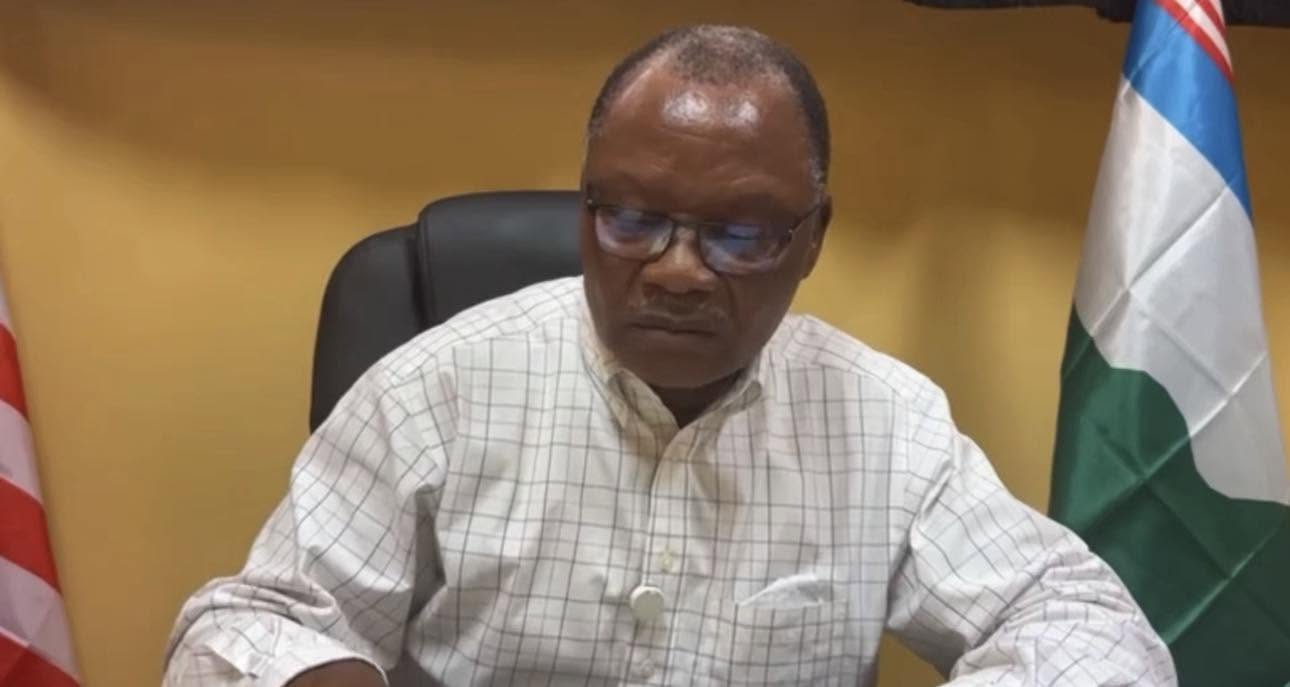
At the center of the latest controversy is Grand Gedeh County Senator Thomas Yaya Nimely, who sharply criticized the Unity Party-led administration following the collapse of a joint Senate hearing intended to examine ongoing concerns surrounding the LTMI concession agreement.
The senator’s frustration became evident when he walked out of the hearing after several key government institutions and stakeholders failed to appear before lawmakers to provide explanations regarding the implementation and management of the concession.
For Senator Nimely, the absence of critical officials represented more than a scheduling issue—it reflected what he described as a broader failure by the government to address a matter that has remained a source of public dissatisfaction for years.
Hearing Intended to Provide Answers
The joint hearing, organized by multiple Senate committees, was convened to allow lawmakers to obtain updates and clarifications regarding the status of the LTMI concession, its implementation, revenue implications, and the growing public concerns associated with its operations.
Invitations had reportedly been extended to representatives from several key institutions, including the Ministry of Justice, the Ministry of Finance and Development Planning, the Liberia Revenue Authority (LRA), and the management of Liberia Traffic Management Incorporated.
Lawmakers expected these officials to provide detailed information regarding the concession’s performance, operational framework, compliance obligations, and the government’s oversight role.
However, according to reports from the hearing, the absence of several invited officials significantly undermined the proceedings, preventing lawmakers from obtaining the answers they had sought.
The lack of participation ultimately rendered the hearing ineffective, prompting criticism from senators who viewed the no-shows as a disregard for legislative oversight and public accountability.
Nimely Expresses Frustration
Speaking shortly after leaving the hearing, Senator Nimely did not hide his disappointment.
The Grand Gedeh lawmaker argued that the government’s inability to fully address the LTMI issue after more than two years in office raises serious concerns about its commitment to resolving a matter that directly affects thousands of Liberians.
According to Nimely, citizens have consistently voiced concerns regarding the concession, yet meaningful solutions have remained elusive.
He contended that the continuing public debate surrounding LTMI demonstrates that significant questions remain unanswered and that government authorities must take more decisive action to address those concerns.
The senator further suggested that the administration’s handling of the issue reflects a lack of urgency despite growing public demands for greater transparency and accountability.
For him, the hearing represented an opportunity for government institutions to engage lawmakers and citizens on the issue. Instead, he argued, the absence of key officials only deepened public skepticism.
A Concession Under Continued Scrutiny
The LTMI concession has remained a subject of national discussion since its implementation, with critics and supporters offering differing perspectives on its impact and effectiveness.
Supporters of the arrangement have argued that the concession was designed to modernize traffic management systems, improve vehicle registration processes, enhance road safety administration, and strengthen revenue collection mechanisms.
Critics, however, have repeatedly questioned aspects of the agreement, including operational practices, service delivery, transparency, cost implications for motorists, and the overall benefits derived from the arrangement.
These concerns have periodically sparked public debate and attracted legislative attention, leading lawmakers to seek greater clarity regarding the concession’s implementation.
The latest hearing was expected to provide an opportunity to address many of those concerns and offer lawmakers a clearer understanding of the current status of the agreement.
Instead, the absence of invited officials left many questions unresolved.
Accountability Concerns Intensify
The collapse of the hearing has renewed broader discussions about accountability within public institutions. Political observers note that legislative hearings serve as one of the primary mechanisms through which elected representatives exercise oversight over government activities and concession agreements involving public interests.
When invited officials fail to appear before lawmakers, critics argue, it can weaken public confidence in governance processes and hinder efforts to promote transparency.
Several observers have pointed out that public concerns surrounding the LTMI concession have persisted for years and that opportunities for open dialogue should be treated as essential components of democratic governance.
The failed hearing has therefore intensified calls for government agencies and concession operators to fully cooperate with legislative inquiries.
Government Faces Renewed Pressure
The incident comes at a time when the Unity Party administration is facing increasing scrutiny over its management of various public policy issues.
For critics, the unresolved questions surrounding LTMI have become symbolic of wider concerns regarding the pace of reform and responsiveness to public grievances.
Senator Nimely’s remarks are likely to resonate among citizens who believe more should be done to resolve lingering concerns associated with the concession.
The lawmaker argued that after more than two years in office, the administration should have been able to provide clear answers regarding a matter that continues to generate significant public attention.
According to him, the ongoing dissatisfaction among citizens demonstrates that the issue remains far from settled.
Calls for a Rescheduled Hearing
Following the collapse of the proceedings, attention is now turning toward whether Senate committees will reschedule the hearing and compel the attendance of the absent officials.
Many lawmakers are expected to push for another opportunity to question relevant institutions and obtain the information originally sought during the session.
Observers say a successful follow-up hearing could help clarify outstanding issues, strengthen public understanding of the concession, and demonstrate a commitment to accountability.
However, they caution that continued delays or non-compliance could further fuel public criticism and deepen concerns about transparency.
Public Interest Remains High
The significance of the LTMI debate extends beyond legislative chambers. For many Liberians, the concession directly affects their interactions with transportation and vehicle administration services, making its performance a matter of everyday importance.
As a result, citizens continue to closely monitor developments surrounding the agreement and the government’s handling of related concerns.
The failed hearing has only heightened public interest in the matter and increased demands for answers.
A Test of Oversight and Governance
As debate over the LTMI concession continues, the collapse of the Senate hearing has become a new focal point in discussions about governance, accountability, and institutional responsiveness.
For Senator Thomas Yaya Nimely, the issue is no longer solely about the concession itself but also about the government’s willingness to engage transparently with lawmakers and the public.
His criticism highlights growing frustration among some policymakers who believe unresolved public concerns deserve urgent attention rather than procedural setbacks.
Whether the government and relevant institutions will respond with greater engagement remains to be seen.
What is clear, however, is that the LTMI controversy remains one of the most closely watched public policy issues in Liberia, and the demand for answers is unlikely to diminish until lawmakers, government officials, and concession managers provide the clarity that many citizens continue to seek.


