



Health authorities across Africa are on high alert following the emergence of a new Ebola outbreak in eastern Democratic Republic of the Congo, where dozens of deaths have already been recorded in mining communities near the country’s volatile eastern border region.
The Africa Centres for Disease Control and Prevention (Africa CDC) announced that approximately 246 suspected and confirmed cases have been identified in Ituri Province, with at least 65 reported deaths linked to the outbreak so far.
The majority of infections have been detected in the gold-mining towns of Mongwalu and Rwampara, areas known for intense population movement and limited healthcare infrastructure. Public health experts fear that the mobility of miners and traders could accelerate cross-border transmission if containment measures are not swiftly strengthened.
Regional authorities are now coordinating emergency response efforts involving neighboring countries, including Uganda and South Sudan, amid growing concerns about surveillance and border screening.
Laboratory testing conducted by the Institut National de Recherche Biomédicale in Kinshasa confirmed the Ebola virus in several analyzed samples after investigations by the Congolese Ministry of Health.
Additional suspected infections have also emerged in Bunia, the provincial capital of Ituri, where authorities are awaiting further laboratory confirmation.
The outbreak comes at a particularly difficult time for eastern Congo, a region already struggling with armed conflict and instability. Since 2021, Ituri has operated under military administration as the government attempts to contain violence involving numerous armed groups active in the area.
Health experts warn that insecurity and displacement could complicate efforts to trace contacts, isolate cases, and deliver medical care—factors that have historically contributed to the rapid spread of Ebola outbreaks in conflict zones.
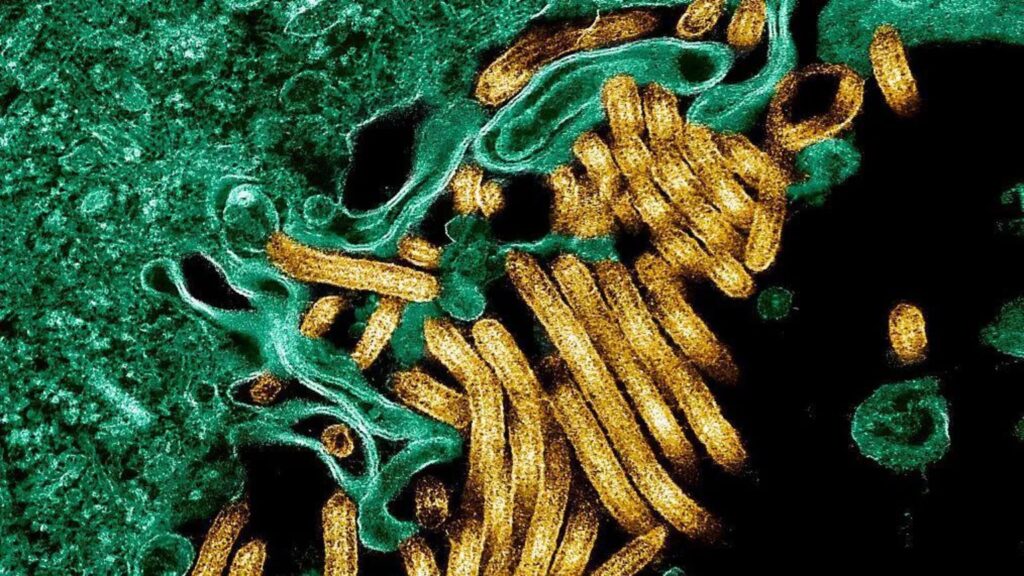
Ebola, first identified in Congo in 1976, is a highly infectious viral disease transmitted through direct contact with bodily fluids. Symptoms often begin with fever, fatigue, headaches, and muscle pain before progressing to severe bleeding and organ failure in critical cases.
Although vaccines and outbreak-response tools have improved significantly in recent years, the virus continues to pose a major public health threat across parts of Africa.
The Democratic Republic of the Congo has experienced multiple Ebola outbreaks over the decades, including the country’s deadliest epidemic between 2018 and 2020, which killed nearly 2,300 people. Another outbreak in central Kasai Province last year claimed dozens of lives.
As emergency teams mobilize across eastern Congo, regional health agencies are urging communities to remain vigilant while accelerating surveillance, public awareness campaigns, and containment operations to prevent the outbreak from escalating further.


