


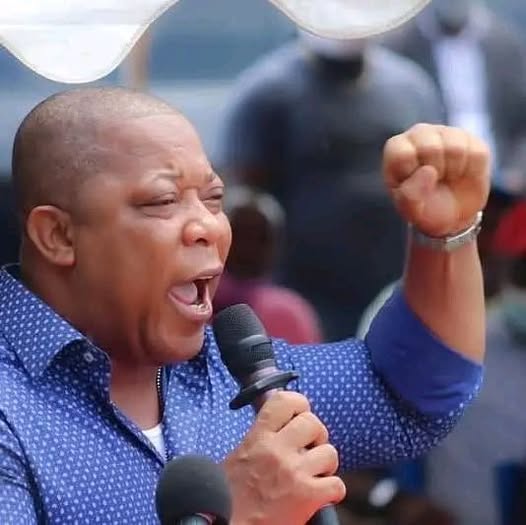
Political tensions are escalating in Liberia as opposition-backed activists intensify criticism of state institutions ahead of the planned July 17 “Lead or Leave” protest campaign.
The latest wave of controversy emerged after the pressure group Solidarity & Trust for a New Day (STAND) launched a sharp public attack against Liberia National Police Inspector General Gregory Coleman following reports of his appointment to an international law enforcement position.
Coleman was reportedly named Co-Chair of the International Affairs Committee of the National Organization of Black Law Enforcement Executives (NOBLE), a development that supporters described as international recognition of Liberia’s police leadership. However, STAND argued that global appointments should not distract from unresolved domestic concerns surrounding policing and accountability.
The criticism comes as opposition figures and protest organizers linked to activist and former ruling party chairman Mulbah Morlu continue mobilizing supporters for the July demonstration, which is expected to test the relationship between the government and opposition groups.
In its statement, STAND revisited several incidents that have fueled public debate over police conduct in recent years. Among them was the Kinjor protest dispute involving residents and the mining company BEA Mountain Mining Corporation, where questions surrounding justice and accountability remain sensitive topics in affected communities.
The organization also referenced the death of Matthew Mulbah in 2025, a case that triggered widespread emotional reactions and renewed calls for institutional reform. According to STAND, such incidents continue to shape public perception of law enforcement and strengthen demands for greater transparency within the security sector.
Broader concerns about the handling of sexual violence and protection for vulnerable citizens were also highlighted as part of the group’s criticism of state institutions.
Meanwhile, supporters of the government have pushed back against the allegations, accusing opposition activists of politicizing national tragedies and attempting to undermine public confidence in security institutions ahead of the planned protests.
With July 17 drawing closer, political rhetoric on both sides is intensifying. Analysts warn that the upcoming demonstrations could become a defining moment for Liberia’s political climate, particularly as economic frustrations and governance debates continue dominating national discourse.
For many observers, the growing confrontation reflects deeper struggles over accountability, public trust, and the role of protest politics in shaping Liberia’s democratic future.


