


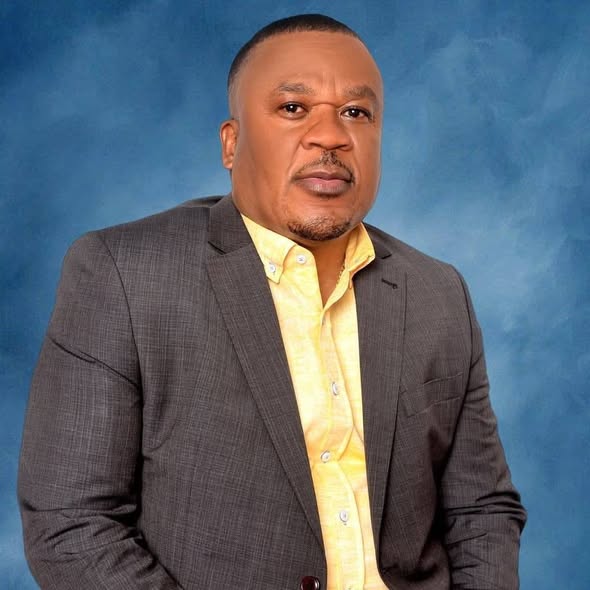
MONROVIA, Liberia — A growing debate over the management and modernization of Liberia’s water sector has intensified after former Liberia Water and Sewer Corporation (LWSC) Deputy Managing Director for Technical Services, McArthur Hilton, publicly defended his record and challenged claims made by the corporation’s current leadership regarding recent achievements.
Hilton’s response comes amid increasing public discussions about infrastructure improvements at the LWSC, particularly ongoing efforts to expand water distribution networks and improve service delivery across Monrovia and surrounding communities.
In a detailed statement directed at current LWSC Managing Director Mohammed Ali, Hilton outlined what he described as major technical and operational accomplishments achieved during his tenure between 2020 and 2023. He argued that many of the projects currently being highlighted by the corporation were initiated, supervised, or substantially advanced under the previous administration.
The former technical chief, who oversaw engineering operations and infrastructure development at the utility, said the discussion surrounding recent progress should accurately reflect the contributions of past and present administrations alike.
Defending a Record of Infrastructure Expansion
According to Hilton, one of the notable achievements during his tenure was the expansion of the corporation’s customer base through the addition of more than 3,000 new water connections, increasing access to potable water for households and businesses.
He further stated that his administration worked closely with international development partners to rehabilitate critical infrastructure at the White Plains Water Treatment Plant, including high-lift pumps, flocculators, and media filtration systems.
The rehabilitation efforts, he said, contributed significantly to improved water production capacity, enhanced pumping efficiency, and reduced equipment failures across the system.
Hilton also highlighted a partnership with Citi Alliance that reportedly facilitated the construction of more than 300 community water kiosks, expanding access to safe drinking water in underserved communities.
Dispute Over Major Water Projects
At the center of the ongoing debate is the highly publicized water transmission upgrade project involving the replacement of the aging 36-inch water main with a larger 48-inch transmission line.
Hilton maintains that the project was developed and supervised under his administration, arguing that the current management should acknowledge the groundwork laid before taking office.
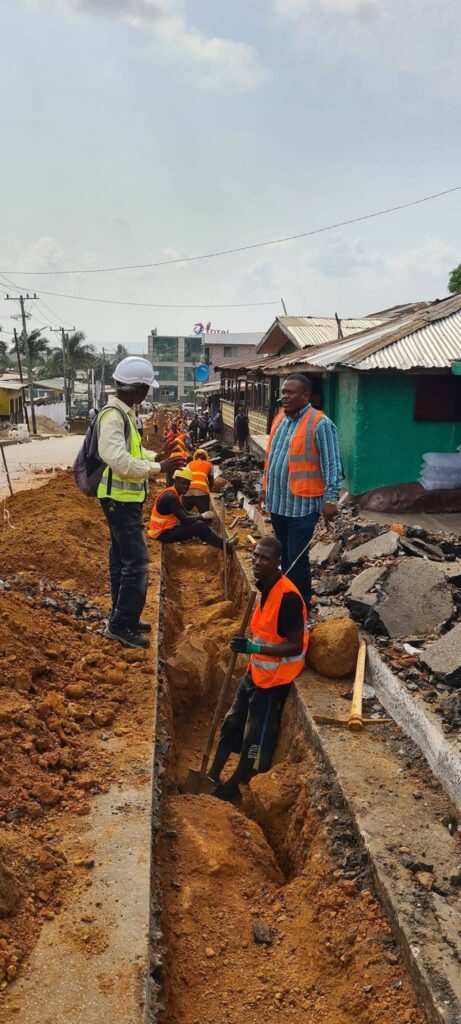
He also cited the installation of the 16-inch transmission line running from the Fish Market area to Central Monrovia as another project executed during his tenure.
While acknowledging the importance of the infrastructure upgrades, Hilton questioned whether they have translated into significantly improved water delivery for residents in Central Monrovia, noting that supply challenges remain a concern for many consumers.
Questions Over Institutional Performance
Beyond infrastructure, Hilton used the opportunity to raise broader questions about operational efficiency, revenue generation, and institutional sustainability at the corporation.
He disclosed that during his tenure, the LWSC acquired five new trucks intended to support sanitation operations and strengthen revenue-generating activities.
Additionally, he noted that ten employees received specialized technical training in the Netherlands as part of efforts to build local expertise and strengthen the corporation’s long-term operational capacity.
Hilton also pointed to improvements in employee welfare during his administration, including efforts to reduce salary arrears and ensure more consistent payment of staff benefits.
The former deputy managing director argued that workforce development and employee motivation were central components of the institution’s progress during the period.
Funding and Sustainability Concerns
A major element of Hilton’s critique focused on the corporation’s financial sustainability.
He contended that many of the corporation’s major projects, chemical supplies, and operational expenses continue to depend heavily on support from the Ministry of Finance and Development Planning.
According to him, questions remain about the corporation’s ability to independently sustain large-scale infrastructure investments without substantial government assistance.
Hilton challenged the current leadership to demonstrate measurable improvements in revenue generation and operational self-sufficiency, noting that his administration operated with significantly fewer logistical resources, including only one sewage truck and no dedicated water distribution truck.
Criticism of Current Management
In one of the most pointed sections of his statement, Hilton criticized the current administration’s handling of the corporation’s aging transmission network.
He claimed that repeated ruptures involving the 36-inch water pipeline have become one of the most visible challenges facing the utility in recent years.
According to Hilton, the frequency of pipe failures raises concerns about maintenance strategies and long-term infrastructure management.
He urged current management to focus on building upon the technical foundation established by previous administrations rather than engaging in what he described as efforts to claim exclusive credit for ongoing projects.
Broader Debate Over Institutional Legacy
The exchange reflects a broader conversation taking place within Liberia’s public sector regarding continuity in governance and the ownership of development achievements.
Infrastructure projects, particularly those involving public utilities, often span multiple administrations, making it difficult to attribute success to any single leadership team.
As Liberia continues efforts to modernize its water infrastructure and improve service delivery, observers say the debate highlights the importance of institutional continuity, transparency, and accountability.
While Hilton’s comments have added a new dimension to the discussion, attention remains focused on the larger challenge facing the LWSC: delivering reliable and sustainable water services to a growing population.
For many consumers, the ultimate measure of success will not be which administration receives credit for specific projects, but whether the corporation can consistently provide safe and accessible water to households across Liberia.


