


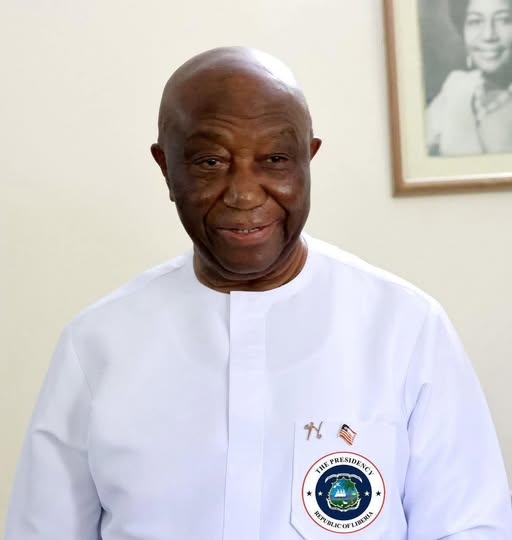
President Joseph Nyuma Boakai, Sr. has moved to rein in government spending and improve administrative efficiency by placing strict limits on foreign travel by senior officials.
Announced during a Cabinet meeting at the Executive Mansion in Monrovia on Thursday, the new directive introduces tighter controls on international trips by Cabinet ministers, agency heads, ambassadors, and other high-ranking officials. The measure reflects growing concern within the administration about the impact of frequent travel on governance and national priorities.
According to President Boakai, excessive foreign trips have begun to undermine effective leadership by reducing participation in Cabinet activities and slowing critical decision-making processes. He emphasized that such absences weaken policy coordination and disrupt the smooth operation of government institutions.
The directive also highlights the financial strain caused by repeated international travel, noting that public funds should instead be directed toward pressing development needs within the country.
Under the new rules, all official travel abroad now requires explicit prior approval from the President. In addition, officials must provide detailed justifications for any proposed trip, including its relevance to Liberia’s national interests, projected costs, funding sources, delegation size, and reasons why virtual participation would not suffice.
As part of the reform, the President introduced a “Virtual Participation First Policy,” urging government institutions to prioritize online engagement through platforms such as Zoom and Microsoft Teams whenever feasible. Physical attendance at international events will only be approved when it is clearly necessary and beneficial to the country.
The directive further limits officials to one foreign trip per quarter, unless exceptional circumstances warrant special approval. Travel requests may also be rejected if an official’s absence is likely to disrupt Cabinet deliberations, institutional leadership, or essential government functions.
In addition to travel restrictions, the policy reinforces adherence to existing regulations governing travel expenses, including limits on airfare class, accommodation standards, and per diem allowances.
Oversight of the directive will be handled jointly by the Ministry of State for Presidential Affairs and the Cabinet Office, though the President retains the authority to grant exceptions in cases of significant national importance.
President Boakai concluded by urging full compliance, stressing that the policy is essential for promoting accountability, improving efficiency, and ensuring responsible use of public resources.


