


The arrest of a senior government official in Monrovia has ignited wider public discussion about personal responsibility, family obligations, and ethical conduct among public servants in Liberia.
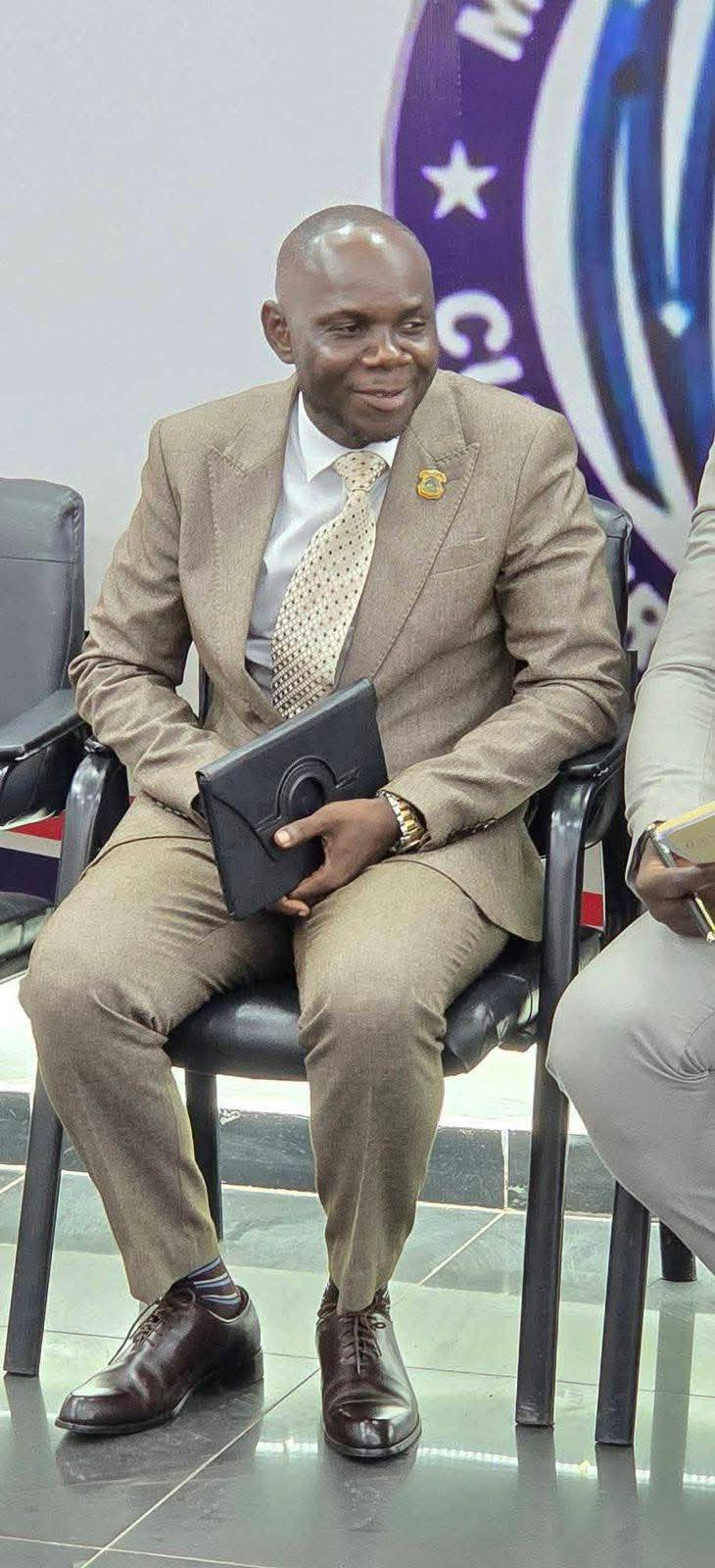
J. Rufus Paul, Assistant Minister for Technical Services at the Ministry of Information, Cultural Affairs and Tourism, was detained by the Monrovia City Court following allegations that he failed to provide financial and emotional support for his wife and their eight-year-old son.
Court records indicate that the complaint was filed by his wife, Decontee Brown Paul, who accused the official of persistent non-support beginning earlier this year. The case was brought under Liberia’s penal provisions addressing neglect of dependents, which classify intentional refusal to provide support as a criminal offense.
Authorities issued a writ ordering Paul’s arrest and appearance before the Monrovia City Court at the Temple of Justice to respond to the allegations.
The case has drawn significant public attention not only because of the accusations themselves, but also because they involve a high-ranking government official entrusted with public responsibilities. Images and reports of the Assistant Minister seated on the court’s prisoners’ bench circulated widely, fueling debate across social and political circles.
Legal analysts say the matter highlights increasing public scrutiny of government officials beyond their official duties. Many citizens argue that individuals occupying senior public positions should demonstrate responsibility both in public service and private life.
The allegations have also renewed conversations about enforcement of Liberia’s family support laws and broader protections for spouses and children facing neglect.
Under Liberian law, persistent non-support may lead to prosecution when an individual with the financial ability to provide care allegedly refuses to do so intentionally.
Observers note that cases involving public officials often attract heightened attention because they raise questions about leadership standards, accountability, and public trust in state institutions.
While the accusations against Paul remain before the court and have yet to be proven, the incident has already triggered strong reactions among many Liberians, some of whom view the matter as part of a larger conversation about ethics and responsibility in governance.
The Monrovia City Court is expected to continue proceedings in the coming days as the case moves forward through the legal system.


