


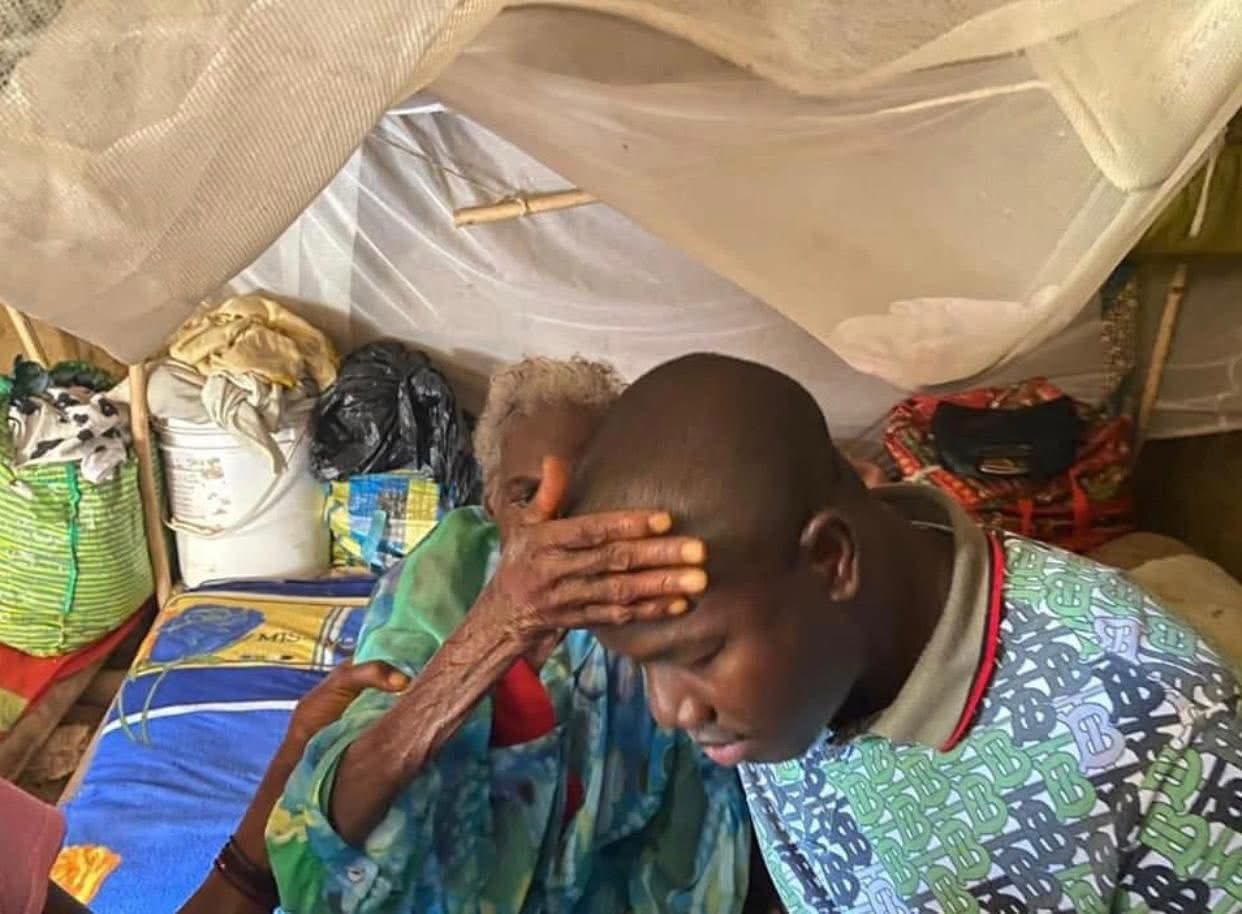
CDC Secretary General Jefferson T. Koijee has offered a deeply personal account of his life and political journey, portraying his rise from hardship to influence as a story marked by purpose, resistance, and sustained persecution.
In a reflective statement, Koijee describes what he sees as a paradox: the very qualities he believes were given to him as a calling—his ability to connect with ordinary people, mobilize youth, and inspire communities—have, in his view, become the basis for criticism, attacks, and targeting.
Born in Lofa County and raised under difficult conditions in Montserrado, Koijee recounts growing up without privilege or wealth. He says his early experiences in impoverished communities shaped his understanding of struggle and fueled his commitment to advocacy. According to him, the streets became his classroom, and the daily realities of ordinary Liberians defined his purpose.
He traces his path from community organizing to national youth activism, eventually rising to lead the Revolutionary National Youth League of the Congress for Democratic Change. Over time, he says, his growing influence—particularly among grassroots communities—was perceived as a threat by established political actors.
Koijee claims that during the Unity Party administration under former President Ellen Johnson Sirleaf, he faced years of harassment, misrepresentation, and imprisonment. He argues that his actions were rooted not in wrongdoing, but in his connection to the people and his ability to mobilize them.
His appointment as Mayor of Monrovia, which he describes as historic given his background, further intensified opposition against him. He suggests that his ascent challenged entrenched expectations about who should hold power, leading to increased efforts to undermine him.
According to Koijee, campaigns to damage his reputation extended both domestically and internationally, culminating in sanctions he maintains were imposed without proven evidence. He characterizes these actions as deliberate attempts to weaken his influence and credibility.
Despite these challenges, Koijee emphasizes his reliance on faith, stating that he believes his journey is guided by a higher purpose that cannot be derailed by human opposition. He argues that truth ultimately prevails over misinformation and that time will distinguish facts from accusations.
While acknowledging his imperfections, he maintains that his commitment to serving the Liberian people remains unchanged. He insists that his strength comes not from privilege, but from shared experiences with ordinary citizens.
Framing his experiences as part of a broader struggle between purpose and opposition, Koijee concludes that what some may interpret as controversy is, in his view, the cost of fulfilling a calling—one he believes cannot be undone by external pressures.


