


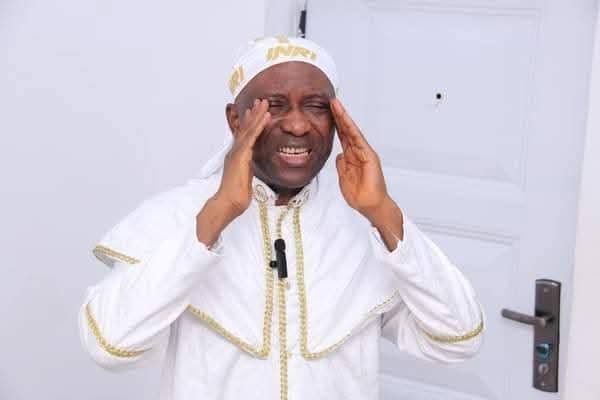
A growing debate is unfolding among Liberians at home and abroad, as conflicting interpretations of Nigerian pastor Primate Elijah Ayodele’s statements continue to stir political and public reactions.
Writing from Philadelphia, Wilmot Zimah Toles pushed back against claims that the pastor predicted victory for former President George Weah in the 2023 elections. Instead, he argued that Ayodele’s message at the time was a warning—urging Liberians to vote carefully, cautioning that a Boakai-led administration could bring hardship and instability.
Toles questioned how “calamity” should be defined, suggesting it does not necessarily mean war alone. He pointed to recent developments—fire outbreaks, demolition of homes and businesses, rising economic hardship, and increasing political tension—as possible indicators of the kind of challenges the pastor warned about.
He also raised concerns about what he described as shrinking space for dissent, claiming that critics of the current administration—including opposition figures, civil society actors, and even former President Ellen Johnson Sirleaf—have faced backlash and public attacks for expressing their views.
According to him, ordinary citizens who speak out about economic struggles are often labeled negatively, while support for the government is amplified. He argued that governance should reflect inclusivity and national unity rather than division, emphasizing that Liberia belongs to all citizens, not just supporters of any political group.
Toles further warned that prolonged hardship, exclusion, and political intolerance can create deeper national risks if not addressed, urging Liberians to take such concerns seriously, promote reconciliation, and prioritize the country’s stability.
However, not everyone agrees with that interpretation. Senator Darius Dillon offered a sharply contrasting view, dismissing the pastor’s statements as politically motivated rather than divinely inspired.
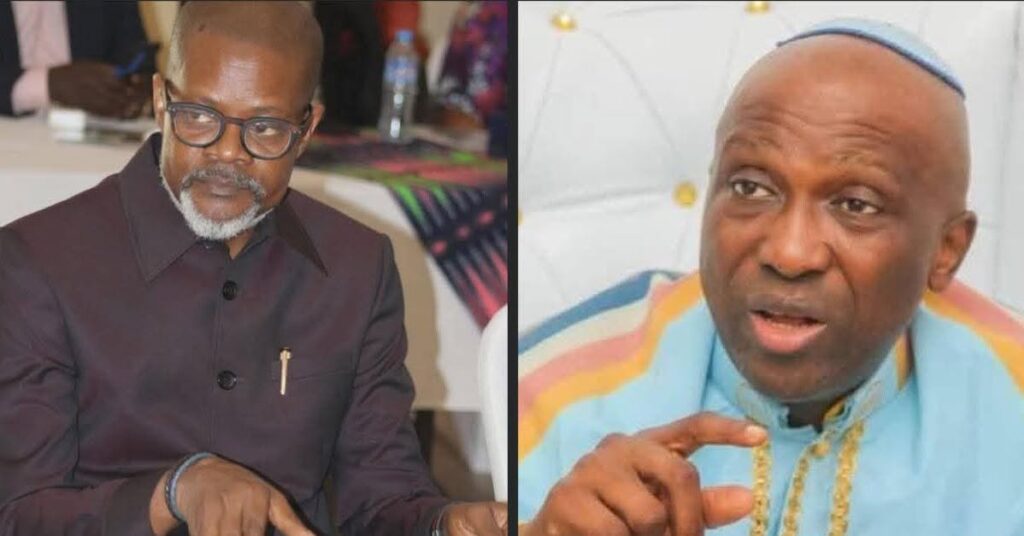
Dillon suggested that Ayodele’s perceived closeness to former President Weah undermines the credibility of his pronouncements, arguing that his so-called prophecies appear biased against President Boakai. He cautioned against attributing political opinions to divine authority, noting that not every statement made in the name of God carries spiritual legitimacy.
The exchange highlights a broader divide in Liberia’s political discourse, where religion, politics, and public perception increasingly intersect—leaving citizens to interpret for themselves whether such messages are warnings worth heeding or narratives shaped by political alignment.


