


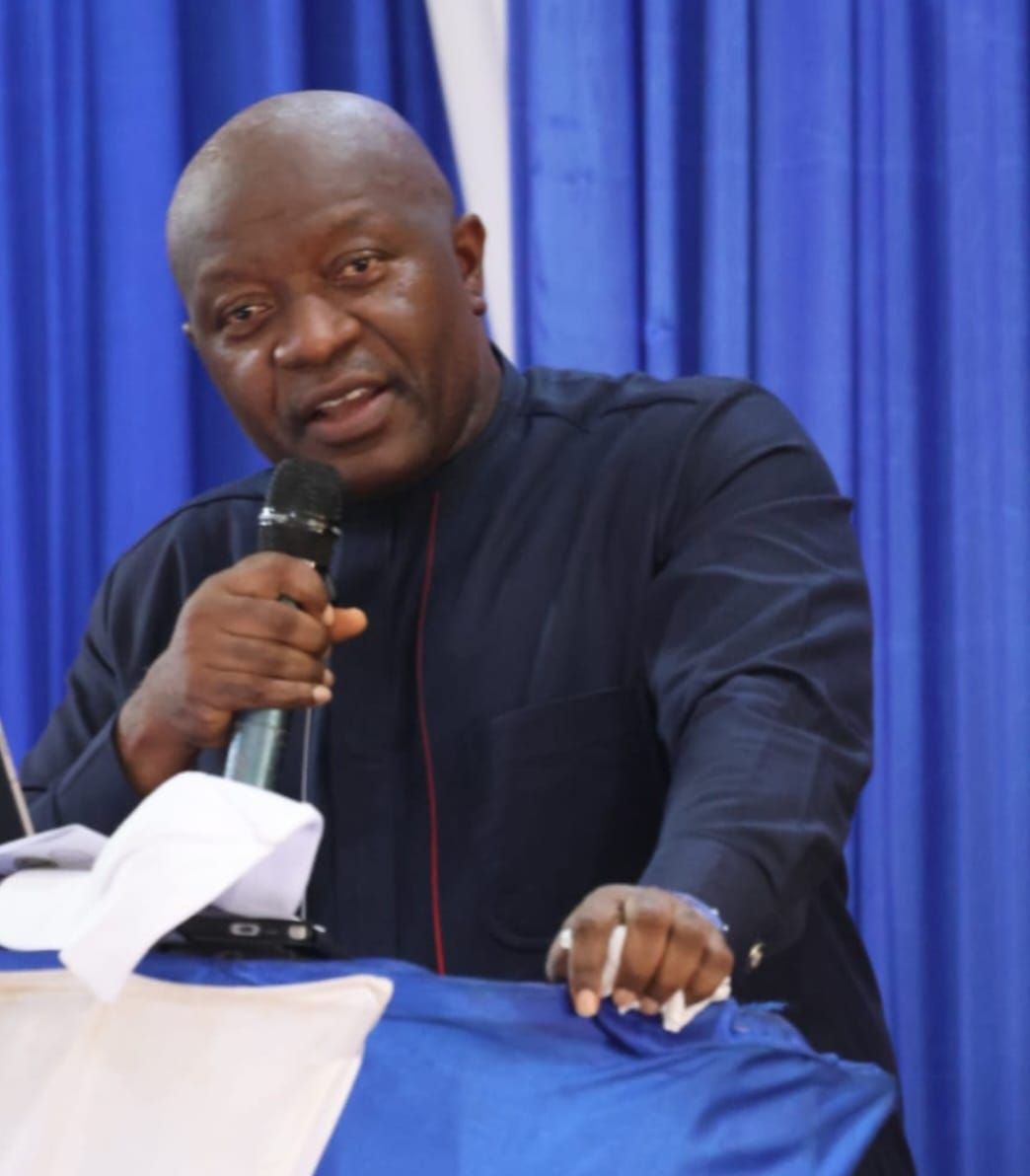
Augustine Kpehe Ngafuan used the launch of Liberia’s new National Cadet Program not only to inspire young graduates, but also to mount a strong political defense of the administration of President Joseph Nyuma Boakai amid growing public debate over the country’s economic direction and development progress.
Speaking in Gbarnga during the official launch organized by the Ministry of Youth and Sports, Ngafuan described the cadet initiative as part of a broader national strategy to empower young people and prepare them for professional careers through hands-on experience in government and private institutions.
More than 1,000 university graduates and graduating seniors are expected to participate in the six-month program, which officials say is intended to bridge the gap between academic learning and employment opportunities.
But beyond youth empowerment, the Finance Minister’s address evolved into a wider political argument defending the Boakai administration’s performance against criticism from opposition voices and skeptics questioning the pace of national development.
Throughout his speech, Ngafuan repeatedly challenged claims that Liberia is “going backward,” pointing instead to infrastructure projects, public sector salary adjustments, increased electricity access, and growth in government revenue collection as evidence of progress under the current administration.
He highlighted several flagship initiatives, including the Youth Entrepreneurship Investment Bank project, an $18 million youth-focused program expected to support thousands of youth-led businesses and create employment opportunities nationwide.
The minister also pointed to Liberia’s successful bid to host the ECOWAS Youth and Sports Center, describing it as a strategic achievement that could generate jobs and increase the country’s regional influence.
Ngafuan further defended the administration’s economic management, stating that Liberia’s national budget had grown significantly due to improvements in domestic revenue generation and efforts to reduce financial leakages within the system.
At several moments during the speech, the Finance Minister directly confronted critics of the government, arguing that Liberia’s development journey should be viewed as gradual progress rather than instant transformation.
Using a metaphor comparing national development to a long-distance journey, he suggested that while the country has not yet reached its destination, it has made measurable progress since the Boakai administration took office.
Political observers say the speech reflected more than a policy address—it revealed the government’s growing determination to shape public perception ahead of increasing political scrutiny over economic conditions, unemployment, and public expectations.
Despite the political undertones, Ngafuan also delivered motivational remarks to the cadets, urging them to embrace discipline, humility, teamwork, and integrity as they enter the workforce.
The National Cadet Program is one of several youth-centered initiatives being promoted by the government as part of its broader human capital and employment strategy.
As implementation begins, many Liberians will likely judge the program not only by the speeches delivered at its launch, but by whether it ultimately creates lasting opportunities for young people struggling to transition from classrooms into meaningful employment.


