


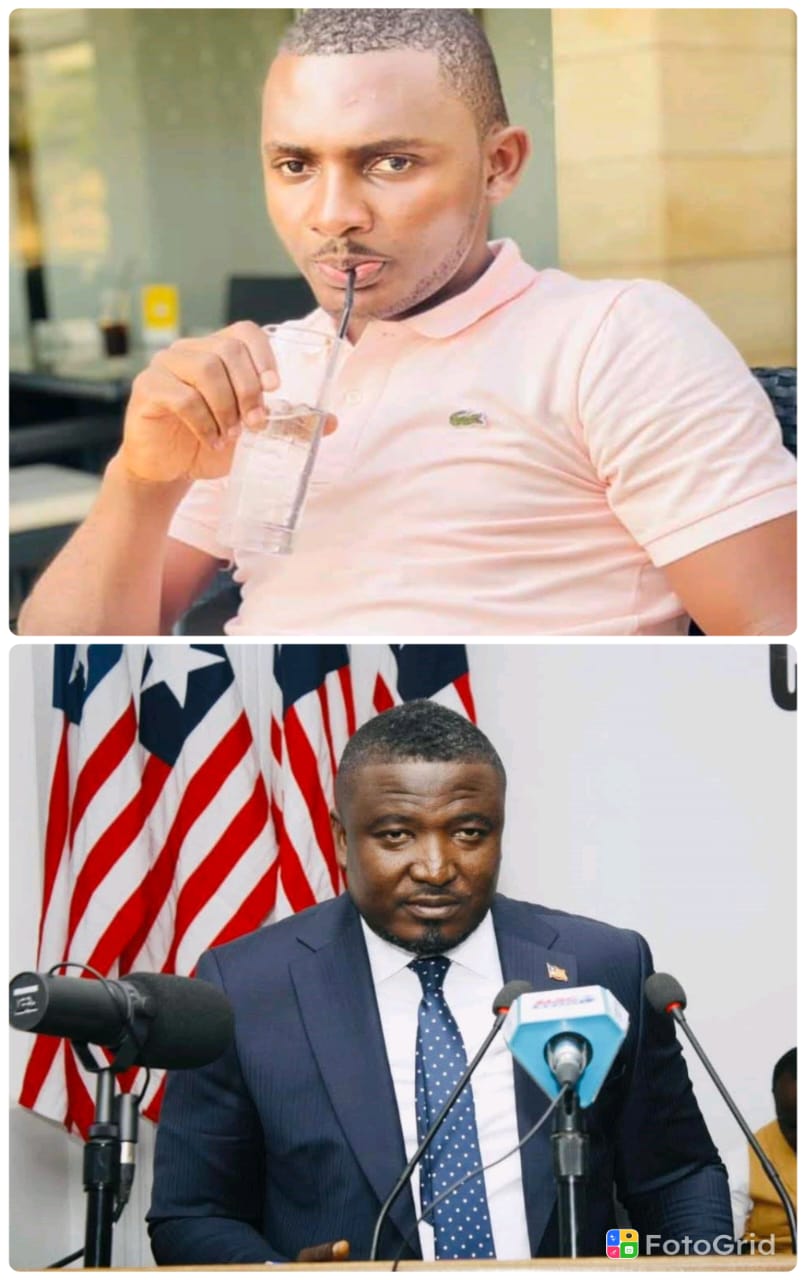
Monrovia, Liberia – Aloysius Howe, Special Aide to former Finance Minister Samuel D. Tweah, has strongly criticized Deputy Minister of Information Daniel O. Sando following his comments about the ongoing legal dispute over the Coalition for Democratic Change (CDC) headquarters.
In a firm statement, Howe called Deputy Minister Sando’s remarks “petty gloating” and accused him of trying to distract the public from what he called the Unity Party-led government’s “major failures.”
Howe pointed out that Sando’s decision to hold “a whole press conference, paid for by taxpayers,” to talk about the CDC headquarters case shows the government’s “deep worry” about possibly losing power in the 2029 elections.
“It’s laughable that Daniel Sando, someone who once struggled to get by while in opposition, now thinks he can lecture the CDC,” Howe said. “His attacks reveal the government’s immaturity and insecurity.”
The dispute is about the CDC’s headquarters, which the party says it has legally occupied for many years. The Unity Party-led government disagrees, leading to the current court case.
Howe insisted that, unlike the Unity Party—which he said lost its own headquarters due to “mismanagement”—the CDC is a “legitimate tenant” and will not be forced out.
“The CDC will keep its headquarters, which stands as a symbol of our lasting legacy,” Howe said. He also promised that “Boakai and his government’s attempt to use the courts to take the CDC’s headquarters will fail.”
The statement also warned against what Howe called the ruling party’s efforts to “intimidate and distract” CDC members, known as cdecians. He said these tactics won’t work and urged the government to focus on Liberia’s real problems instead of political fights.
“The CDC stands firm,” Howe said. “The government should focus on the country’s urgent issues instead of wasting time on petty politics. We ask them to stop their daily talks about the CDC headquarters because the CDC isn’t going anywhere from that building.”
This back-and-forth shows the rising political tension between the opposition CDC and President Joseph Boakai’s administration. While the government says the case is about law and order, CDC supporters believe it’s a political move to weaken their party before upcoming elections.
As the court case continues, experts say the result could have a big impact on the CDC’s political power and the wider fight for control ahead of 2029.
For now, Howe’s response shows the CDC’s strong commitment to protecting what it sees as its rightful property and staying focused on the next election.


