


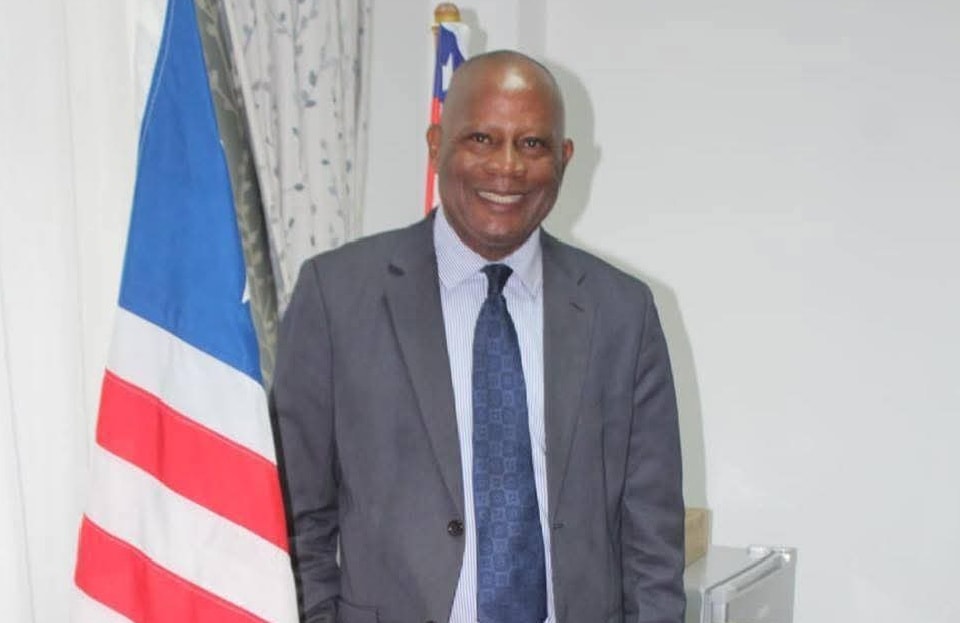
“So, on what DNA or forensic evidence did they police base their arrest, detention, and referral to court of sodomy suspect Peter Bonor Jallah, Jr.” ?
“Arbitrary selective policing”?”The rule of law is based on the constant and impartial enforcement of legal rules. When law enforcement officers apply various evidence requirements to comparable criminal claims, the credibility of the judicial system is jeopardised.
The recent police handling of two sexual-offence cases — the first involving suspended Deputy Youth and Sports Minister J. Bryant McGill, who allegedly raped a 16-year-old girl, and the second involving dismissed Deputy NSA Director Peter Bonor Jallah, Jr., who is accused of sodomising a 15-year-old boy — reveals troubling inconsistencies in arrest practices.
In the initially reported case, the police declined to charge the rape suspect, Deputy Minister McGill, claiming a lack of DNA evidence. In the second case, authorities arrested and detained Deputy Director Jallah, who was suspected of sodomising a youngster without DNA or forensic evidence. This is inconsistency and abuse of discretion.
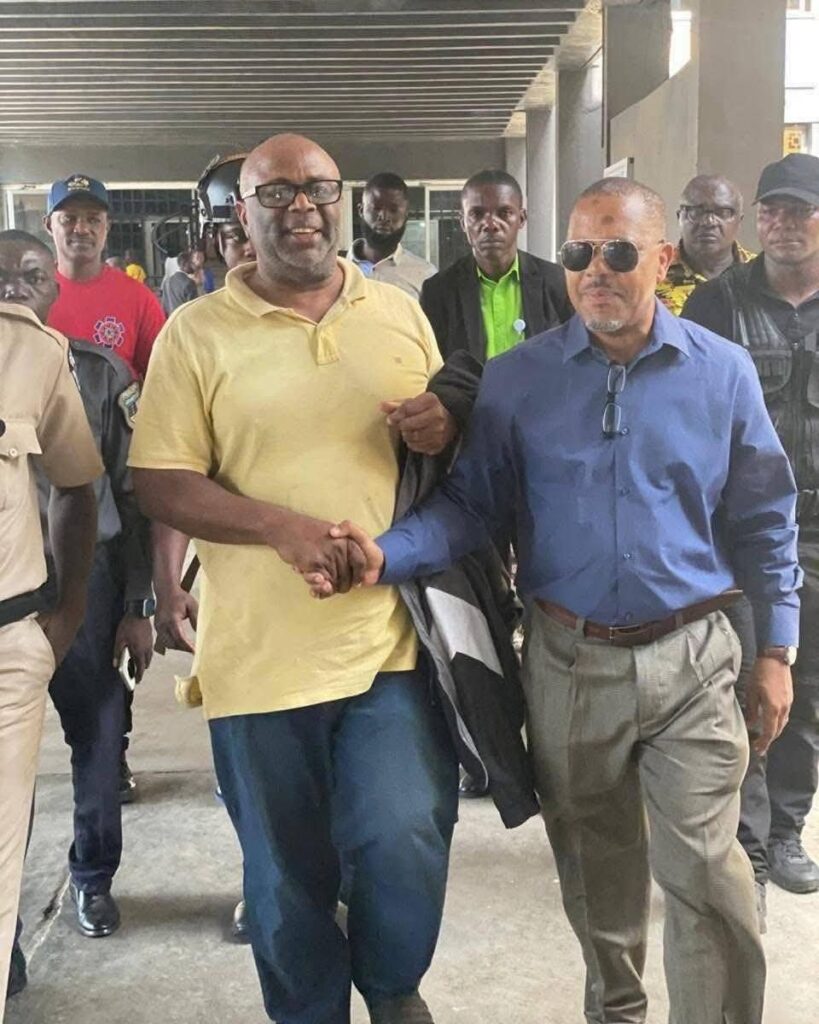
Our legal system does not need DNA evidence as a prerequisite to arrest. Under the Criminal Procedure Law, the police have the authority to arrest a suspect if there is reasonable suspicion that an offence has been committed. The legal threshold for arrest differs from the greater standard of proof necessary at trial.
Victim comments, witness stories, medical records, and surrounding circumstances may all be used legally to establish reasonable suspicion or probable cause. DNA evidence, while helpful, is not a legal requirement at the arrest stage.
The selective use of DNA evidence in one case but not in another raises questions about the arbitrary exercise of police discretion. This discrepancy breaches both Article 11(c) of the Constitution, which ensures equality before the law, and Article 20(a), which safeguards the right to personal liberty and due process.
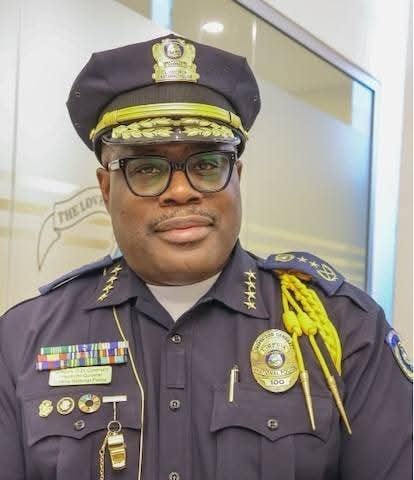
Although the police arrested, detained, and charged Peter Bonor Jallah, Jr. with aggravated involuntary sodomy based on reasonable suspicion or probable cause rather than DNA evidence — and rightfully so — the police have refused to arrest and detain J. Bryant McGill based on the same probable cause standards but with DNA evidence.
What is even more alarming and sad is that the police have now cleared Deputy Minister J. Bryant McGill of the rape charge, raising major concerns about how this decision was made.
Treating DNA evidence as necessary in certain situations but optional in others contradicts the idea of equal treatment under the law and erodes trust in the judicial system.
The question isn’t whether DNA evidence should be sought. It should be gathered whenever feasible, regardless of whether police operations are directed by legislation or discretion applied unfairly. Consistent or uniform application of arrest criteria is critical for preserving public trust and ensuring that justice is not arbitrary or discriminatory. For the Liberian people and our system of justice, J. Bryant McGill remains a rape suspect!


