


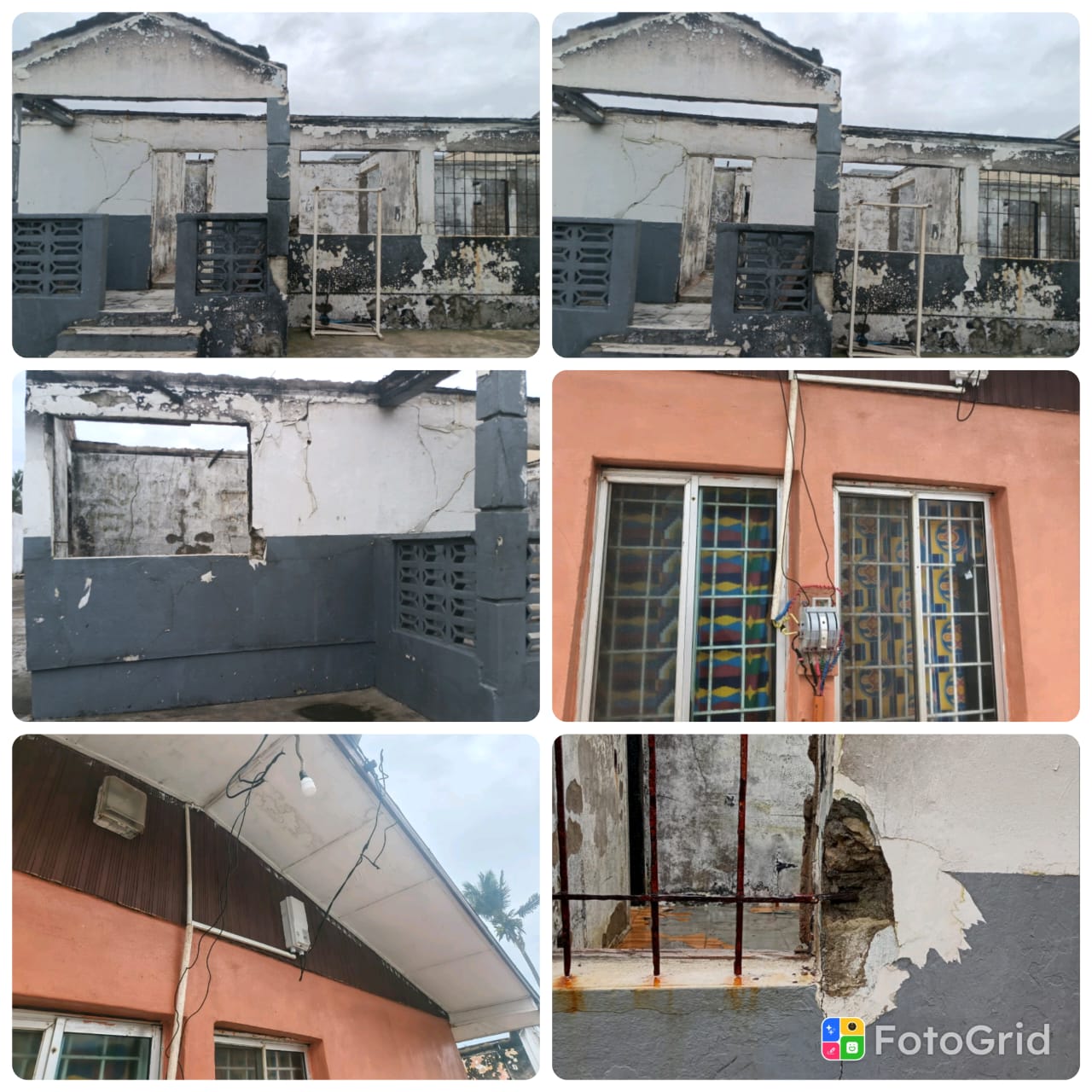
MONROVIA, Liberia — A destructive fire that swept through a four-bedroom home on 9th Street, Sinkor, has reignited concerns over illegal electricity connections in Liberia’s capital and raised fresh allegations of wider criminal activity involving foreign nationals.
The blaze, which occurred on June 8, 2025, destroyed property owned by Liberian businessman Mohammed Y. Kuyateh, located next to the residence of former President George M. Weah. Authorities have linked the cause to an illegal connection to the Liberia Electricity Corporation (LEC) grid allegedly orchestrated by the tenant, Spanish national Angel Enciso Merino.
Merino, a long-time resident of Liberia, had been leasing the property since 2022 under a residential agreement. Kuyateh told this news outlet that from early in the lease period he grew concerned about Merino’s behavior and the individuals he associated with.
“I wrote him multiple times,” Kuyateh said in an exclusive interview. “I warned him. Now the house is burned, and lives were at risk. This is not just a case of power theft—it’s a direct threat to public safety.”
According to the Liberia National Fire Service (LNFS), the fire was reported at about 5:05 p.m. on the day of the incident. Investigators concluded it originated in the bedroom of Merino’s daughter, Ms. Noah Enciso. The Ministry of Justice later confirmed in its official report that the blaze was caused by an electrical short circuit resulting from tampering with LEC infrastructure.
Scene interviews identified “Eddie” Iddrisah, described as the family’s electrician, as a key figure in setting up the unauthorized connection. Kuyateh claims Eddie has been arrested at least three times by the Liberia National Police (LNP) for similar offenses but has continued his activities unchecked.
“If someone is caught stealing power multiple times and nothing is done, you’re inviting disaster,” Kuyateh said.
Allegations Beyond Power Theft
Kuyateh’s concerns extend beyond the illegal electricity hookup. He alleges that Merino has been involved in supporting disadvantaged youths—commonly referred to locally as “Zogos”—in ways that raise safety and security concerns. He further accuses Merino of playing a role in securing the release of inmates from Monrovia Central Prison through questionable means.
While these claims have not been confirmed by law enforcement, Kuyateh insists they should be investigated for their potential implications on national security.
“When you have foreign nationals financing street gangs and influencing prison releases, that’s a national security concern—not just a housing dispute,” he said.
Systemic Weaknesses and Enforcement Gaps
The case has thrown a spotlight on persistent challenges in curbing power theft in Liberia. The practice drains millions of U.S. dollars from the LEC annually, strains the already fragile electricity supply, and poses significant safety risks.
Despite periodic joint enforcement operations by the LNP and LEC, illegal connections remain widespread in Monrovia’s neighborhoods. High connection fees and unreliable service often push residents toward unsafe, unauthorized hookups. But community leaders say the lack of consistent prosecution for repeat offenders is a bigger problem.
“The law is there, but it’s not being enforced in a way that deters people from doing it again,” Kuyateh remarked. “This is why communities keep suffering.”
The incident’s proximity to the former president’s home has heightened anxiety among residents. Neighbors now fear similar illegal activities could be taking place in nearby properties. Several have called for urgent inspections and a more visible presence from both LEC technicians and police investigators.
Authorities have yet to announce any formal charges against Merino or Eddie, a delay that has fueled frustration in the community. Local leaders are demanding coordinated action between the Ministry of Justice, the LNP, and LEC to address both the fire and the wider allegations of criminal activity.
For many, the 9th Street fire is a stark example of how infrastructure vulnerabilities, lapses in enforcement, and alleged criminal networks can intersect with devastating results.
Stakeholders are urging a comprehensive government-led investigation that examines not only the cause of the fire but also the alleged networks enabling such incidents. They want stricter penalties for repeat offenders, closer monitoring of foreign nationals involved in sensitive or unlawful activities, and stronger cooperation between utility regulators and law enforcement agencies.
“Until we start treating power theft and these related activities as crimes with real consequences, these tragedies will keep happening,” Kuyateh warned.
As the charred ruins of the 9th Street residence remain a visible reminder of the June disaster, the case has become a rallying point for those calling for urgent systemic reform. Without stronger enforcement, improved oversight, and a renewed focus on public safety, residents fear that similar incidents will continue to threaten lives and erode trust in Liberia’s institutions.


