


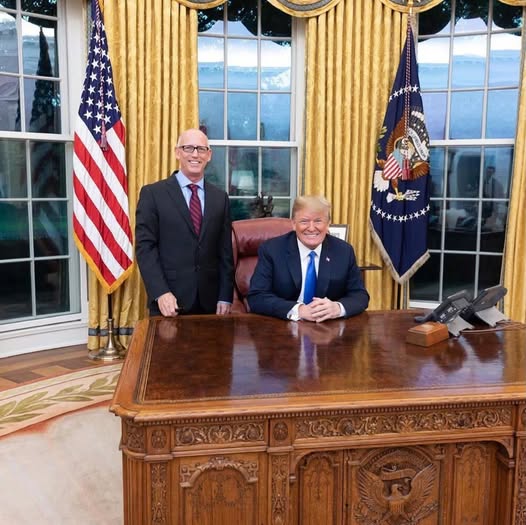
A vigorous debate has surfaced within the Liberian diaspora following assertions that about 48.9 percent of Liberian immigrant households in the United States receive some form of public assistance, based on data cited by the then, former U.S. President Donald Trump. The figure reportedly includes enrollment in programs such as Medicaid, food assistance, housing support, and other welfare-related services.
However, the data applies to households rather than individuals and must be understood within its historical context. Many Liberians residing in the United States arrived as refugees or under protected immigration statuses after escaping years of civil war and political instability at home. These experiences significantly influenced their early resettlement conditions, employment opportunities, and access to education.
Nonetheless, critics contend that when viewed against estimates of between 250,000 and 500,000 Liberians living in the U.S., the statistics raise troubling concerns. They argue that if nearly half of Liberian immigrant households depend on welfare, the consequences for the community’s public image, self-reliance, and long-term integration are substantial.
Within the diaspora, some commentators have used the discussion to call for greater personal and collective accountability. They urge Liberians to prioritize education, skills development, and formal employment over prolonged reliance on public assistance. Supporters of this view cite data indicating that Liberians have a poverty rate of approximately 14.4 percent, compared with about 13.4 percent for the overall U.S. population, suggesting persistent challenges related to workforce participation and upward mobility.
The debate has intensified amid recent U.S. immigration policy developments. The United States has announced a suspension affecting certain immigrant visa categories—including family-based and employment-based visas—for Liberia and several other countries. Non-immigrant visas for tourism, business, education, and other temporary travel remain unaffected.
Online speculation has linked the visa suspension to remarks made by Ambassador Lewis Brown on behalf of the African Union at the United Nations Security Council. These claims have largely been dismissed as inaccurate. Brown’s remarks reflected a collective African stance in favor of negotiated solutions to international conflicts and were not directed at U.S. interests.
Liberian authorities have clarified that the visa suspension is part of a broader U.S. immigration review rather than an act of diplomatic retaliation. The Government of Liberia says it is engaging U.S. officials to better understand the scope and duration of the decision and to advocate for equitable treatment of Liberian applicants.
As discussions continue, community leaders emphasize the importance of balance—recognizing the trauma and displacement that shaped earlier migration waves while promoting a renewed commitment to education, skills acquisition, entrepreneurship, and lawful employment. They argue that while the United States remains a land of opportunity, it increasingly rewards preparedness, productivity, and self-sufficiency.
For many in the Liberian diaspora, the moment has become a period of reflection, prompting difficult conversations about identity, responsibility, and how the community chooses to define itself within an evolving immigration landscape.


