


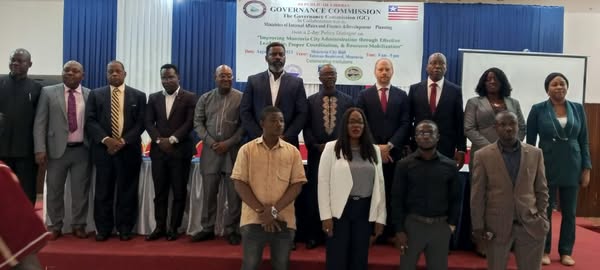
Monrovia, Liberia – Stakeholders from government, development partners, and civil society have been urged to back urgent reforms to strengthen the administration of Monrovia, Liberia’s capital, amid warnings that the city’s current governance structure is fragmented and fiscally unsustainable.
Speaking under the theme “Improving Monrovia City Administration through Effective Leadership, Proper Governance, and Resource Mobilization,” the speaker outlined Monrovia’s proud history—founded in 1822 as Christopolis and later renamed in honor of former U.S. President James Monroe—but stressed that the city is being held back by outdated laws, overlapping mandates, and weak revenue control.
“Leadership is vital—but without strong governance systems, sustainable financing, and coordinated operations, leadership alone cannot deliver lasting transformation,” the address stated.
Governance Overlaps and Confusion
The legal framework for Monrovia is anchored in the 1922 Act establishing the Commonwealth District and the 1973 Act creating the City Government. These laws empowered the Monrovia City Corporation (MCC) to manage services, regulate development, and pass ordinances.
However, overlapping jurisdictions between the MCC, various townships, the Borough of New Kru Town, and national agencies have created a tangle of authority. Township commissioners report to the Ministry of Internal Affairs, while the Mayor of Monrovia reports directly to the President.
Key responsibilities, such as zoning and land use, have shifted between agencies like the Ministry of Public Works (MPW) and the Liberia Land Authority (LLA) without legislative reforms to align mandates. This has led to duplication, conflicting decisions, and reduced capacity for effective urban planning.
Five Core Challenges Identified
The address identified five major obstacles to effective city administration: Unclear jurisdictional boundaries, Fragmented governance without a metropolitan coordinating body. Erosion of MCC’s original powers, Fiscal dependency on central government, Weak regulatory enforcement, particularly in environmental management.
Consequences for the City
These challenges have resulted in unplanned urban growth, deteriorating infrastructure, delays in service delivery, and investment uncertainty. Fiscal dependency, in particular, limits MCC’s ability to respond to population growth or finance long-term improvements.
Proposed Roadmap for Reform
To address these issues, the proposed reforms include: Establishing a permanent metropolitan coordination body to align policies and investments among MCC, MPW, LLA, EPA, and other agencies. Reforming the MCC Act to clarify mandates and boundaries. Implementing fiscal reforms such as enforcing property tax revenue sharing, introducing service fees, and fostering public–private partnerships. Integrating service delivery frameworks with clear operational roles. Strengthening enforcement of building codes, environmental rules, and vegetation policies.
“Monrovia’s future depends on the decisions we make today—whether we allow fragmentation and dependency to persist, or commit to decisive reforms that deliver strong governance, fiscal independence, and integrated services,” the statement concluded.


