


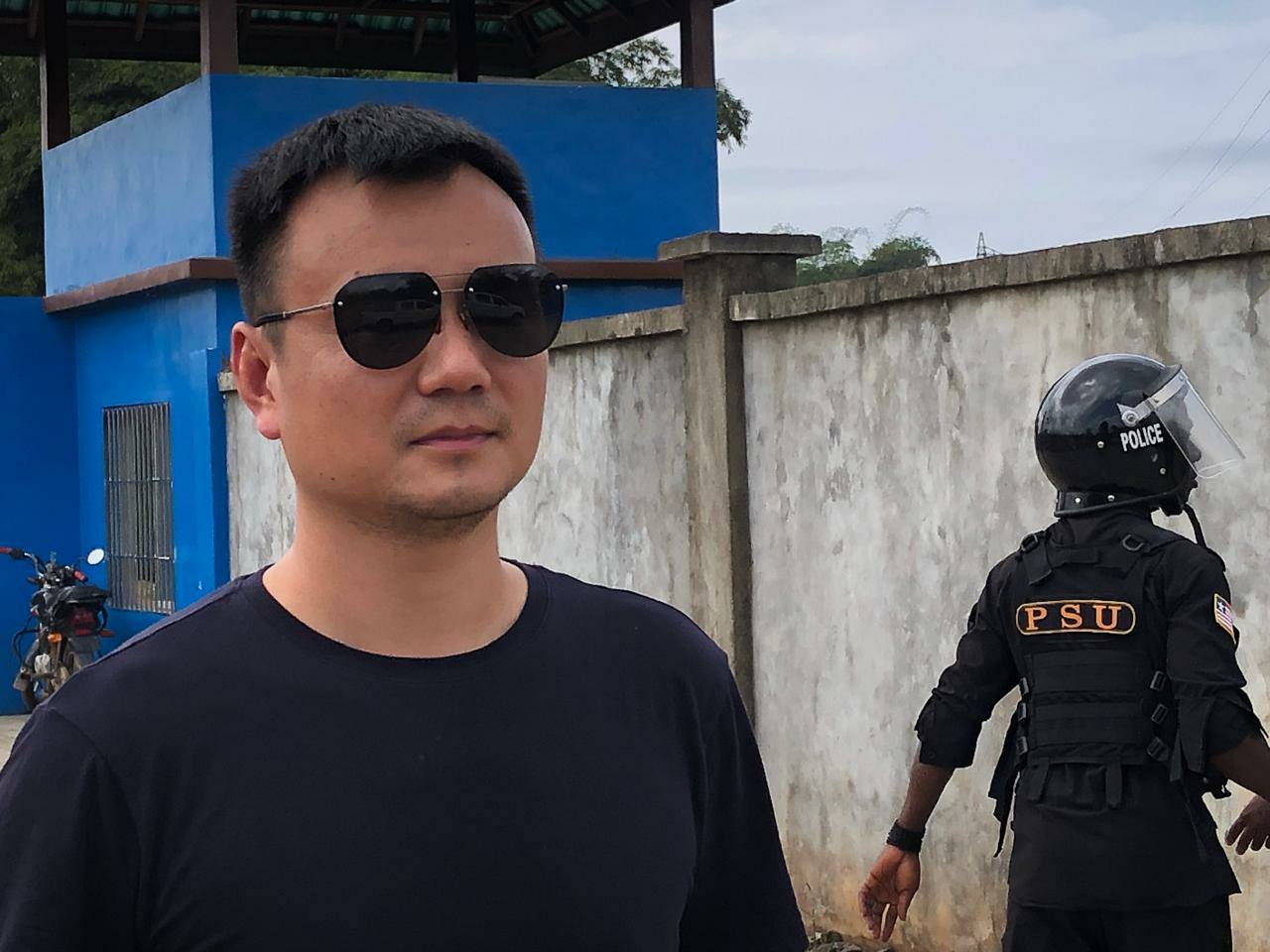
Monrovia, Liberia – A dispute between Chinese investor Yang Dan and the Managing Director of the National Port Authority (NPA), Sekou Dukuly, has set off alarm bells across Liberia’s business and political spheres. Yang has accused Dukuly of orchestrating a fraudulent scheme to seize control of his multi-million-dollar mineral water business, amid claims of financial misappropriation and criminal deception involving over $3 million in funds.
The accusations have reignited public debate over governance, transparency, and investor protection in Liberia, as well as concerns about the integrity of key public officials. Yang, who invested more than $2.1 million into his business, has described the actions of Dukuly as a “flagrant abuse of power,” accusing him of using his position at the NPA to forcefully take control of the company.
In an emotional address to journalists near his company’s premises in the Poor River Community, Yang outlined the events that led to his ouster from the business. “Sekou denied me access to my factory and kicked me out overnight,” Yang recounted, alleging that police officers, acting on Dukuly’s instructions, physically blocked him from entering the property. The dispute has taken on legal dimensions, with a case already before the courts, yet Yang insists that Dukuly’s actions continue to prevent him from regaining control.
Yang claims that the alleged fraudulent activities began with a joint venture between his company and the NPA, which was intended to establish a mineral water bottling plant and a mining project. According to Yang, he contributed $2.55 million for the bottling plant and $1 million for mining licenses—funds he says were diverted for Dukuly’s personal gain. “Some of that money was spent on luxury items, like watches and vehicle parts,” Yang claimed, adding that company accounts were wrongfully charged for these personal expenses, compromising the financial stability of the business.
Beyond financial mismanagement, Yang alleges that Dukuly’s associates also seized company assets, including valuable equipment such as trucks and excavators. These actions, according to Yang, have made it nearly impossible for him to operate the business independently.
The saga has escalated beyond business disputes. In May 2025, Yang was reportedly assaulted in Monrovia, an attack his legal team links directly to the ongoing conflict. While the police have not confirmed any arrests, the incident has raised alarms about the safety of foreign investors and the protection of business interests in Liberia. Some observers fear that such acts of violence could deter potential investors from entering the country, further damaging Liberia’s fragile investment climate.
Business consultant Cyrus Solo commented on the case, noting that the allegations have the potential to undermine investor confidence in Liberia. “When public officials use their power to seize private assets, it sends a chilling message to both domestic and foreign investors,” Solo wrote on social media. “Such cases risk portraying Liberia as an unstable investment environment, where businesses are vulnerable to the whims of powerful individuals.”
Legal experts agree that the seriousness of the allegations cannot be overstated. If substantiated, the charges could tarnish the reputation of the NPA and further erode public trust in Liberia’s governance structures. “The potential consequences are severe,” said a legal analyst. “If officials are seen as exploiting their positions for personal gain, it will deepen the public perception of corruption and mismanagement.”
Despite the mounting public outcry, the Ministry of Commerce and Industry and the NPA have yet to issue formal statements on the matter, leaving the accusations largely unaddressed by government officials. This silence has only intensified skepticism and fueled calls for greater transparency from Liberia’s leadership.
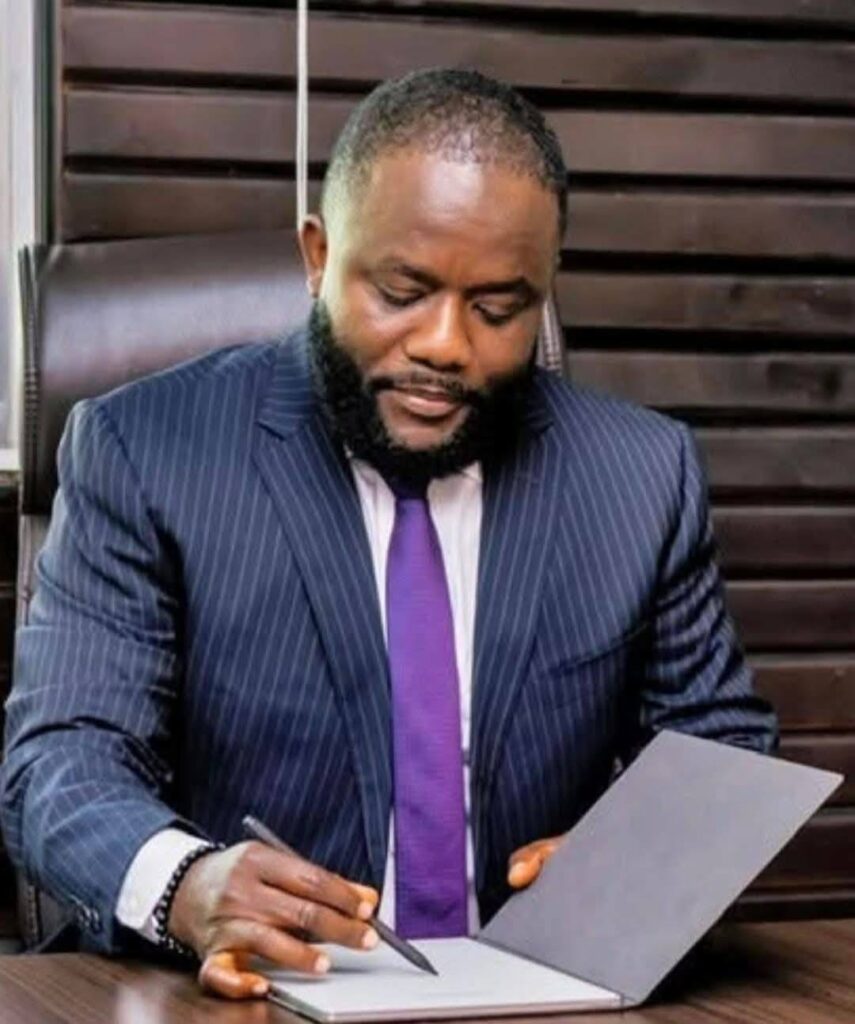
As the legal proceedings unfold, there is widespread concern that failure to address the issue transparently could damage Liberia’s reputation as a stable and reliable destination for foreign investment. The case has already become a flashpoint in debates over how Liberia can balance attracting foreign capital with ensuring accountability and integrity among its public officials.
Legal experts stress that the presumption of innocence must remain paramount, and due process must be followed. “While these accusations are deeply troubling, the judiciary must ensure a fair and impartial investigation,” said one business advocate. “The rule of law must be upheld, and all parties must be allowed to present their cases in court.”
For now, Yang Dan remains locked out of his business, and Sekou Dukuly has yet to respond publicly to the allegations. As Liberia’s business community watches closely, the outcome of this case could set a critical precedent for investor protection and governance in the country. In a nation where property rights and contractual obligations are often challenged by the influence of public officials, the resolution of this dispute will send a clear message about the future of Liberia’s business environment.
The unfolding drama highlights the broader challenges facing Liberia as it strives to build a thriving economy. With foreign investment playing a key role in the country’s development, ensuring that businesses are protected from unlawful interference is essential to securing a prosperous future. As the case progresses, questions about integrity, accountability, and the safeguarding of foreign investments remain at the forefront of national discourse.


