


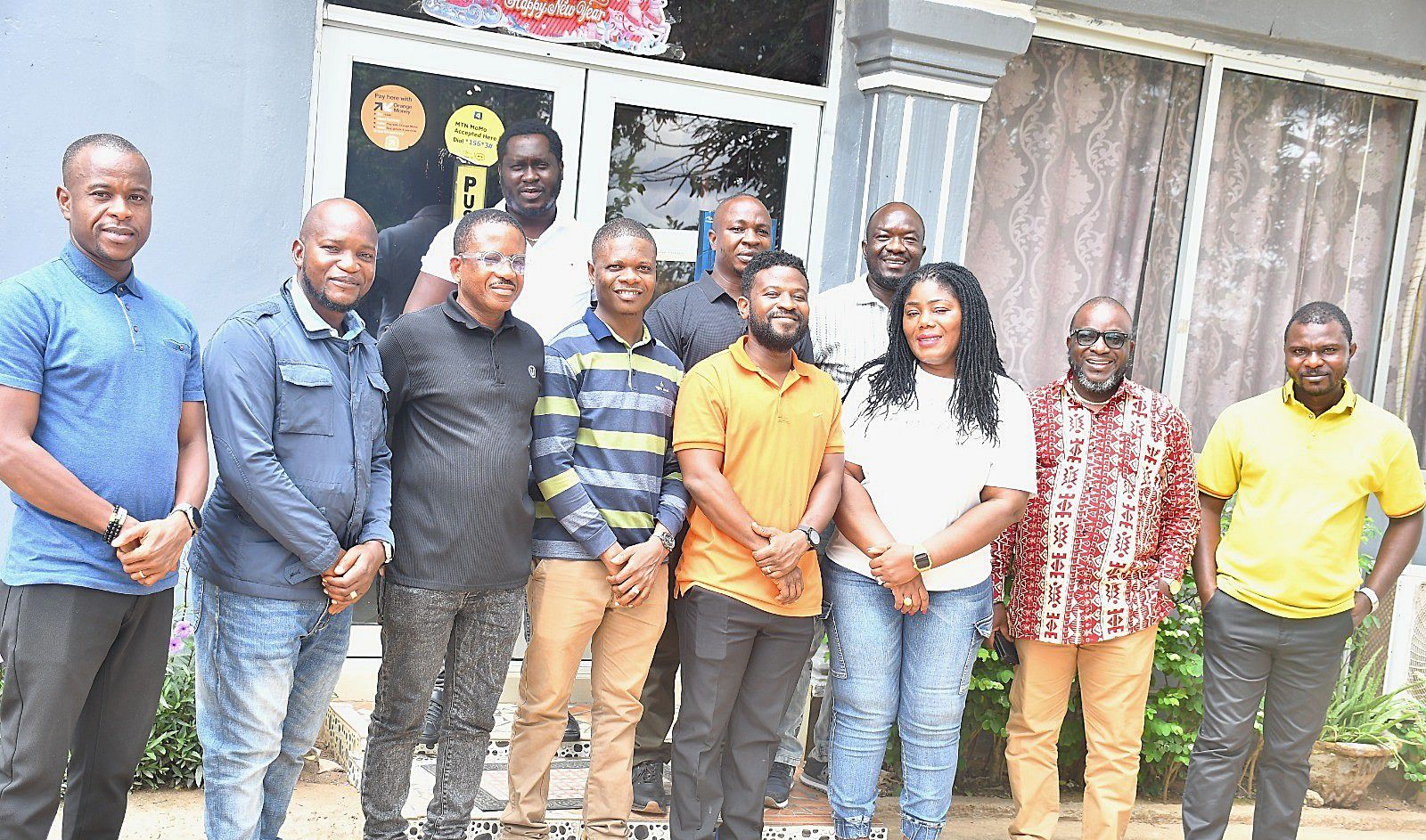
GANTA, Nimba County — As governments around the world increasingly rely on technology and data intelligence to strengthen public institutions, the Liberia Revenue Authority (LRA) is accelerating efforts to modernize the country’s revenue administration system through a stronger focus on analytics, automation, and digital innovation.
The push comes as the LRA launched a weeklong strategic retreat in Ganta, Nimba County, bringing together members of its Enterprise Data Analytics Division (EDAD) and key stakeholders to assess progress and define the next phase of institutional reforms aimed at building a more efficient and transparent revenue system.
Rather than focusing solely on traditional tax collection methods, the Authority is shifting attention toward strengthening the role of technology and evidence-based decision-making in improving revenue performance and service delivery.
Officials say the retreat forms part of the LRA’s broader modernization strategy designed to improve how government revenue is monitored, tracked, and managed while increasing transparency and strengthening taxpayer confidence.
The initiative is being spearheaded by the Enterprise Data Analytics Division, which has taken on a central role in advancing digital transformation efforts within the institution. Participants are reviewing current departmental achievements, evaluating ongoing automation projects, and aligning future activities with the Authority’s wider reform agenda.
According to the LRA, stronger digital systems could significantly improve operational efficiency and reduce weaknesses associated with manual processes and fragmented data management systems.
Speaking during the retreat, Assistant Commissioner of the Enterprise Data Analytics Division, Jupar N. Dunbar, emphasized that modern tax administration increasingly depends on the ability of institutions to effectively collect, analyze, and use data.
“Modern revenue administration depends heavily on data intelligence, automation, and integrated systems,” Dunbar said. “Strengthening our analytical capacity is essential to improving compliance monitoring, operational efficiency, and evidence-based decision-making across the Authority.”
He explained that the growing complexity of revenue systems requires stronger technological infrastructure capable of providing real-time information and supporting informed policy and operational decisions.
Dunbar further highlighted the division’s role in strengthening institutional integration, improving reporting mechanisms, supporting data governance, and expanding analytical capabilities across the Authority.
The retreat is also serving as a platform for broader collaboration and knowledge sharing among participants. Discussions are focused on identifying operational challenges, improving coordination, and exploring innovative approaches to strengthen performance.
Key sessions are examining issues related to automation, analytics-based management systems, digital reporting structures, innovation strategies, and improved governance of institutional data.
Revenue authorities globally continue to place increasing emphasis on digital transformation as a tool to improve efficiency and reduce leakages in public financial systems. Liberia appears to be positioning itself within that evolving landscape by investing in systems designed to strengthen accountability and provide more accurate information for decision-making.
Officials believe stronger analytics platforms and integrated digital systems could ultimately improve taxpayer services, strengthen protection of government revenue streams, and support broader economic and governance reforms.
As the retreat continues, the discussions in Ganta signal a wider shift in how Liberia intends to manage public revenue — moving beyond traditional collection methods toward a system increasingly driven by technology, intelligence, and data-based planning.


