


A fresh political debate has emerged in Liberia over lingering allegations tied to the controversial Central Bank “mop-up” exercise conducted during the administration of former President George Weah.
The latest exchange was triggered after comments circulating online revived claims surrounding millions of dollars allegedly linked to the currency stabilization exercise carried out by the Central Bank of Liberia during the Coalition for Democratic Change (CDC) government.
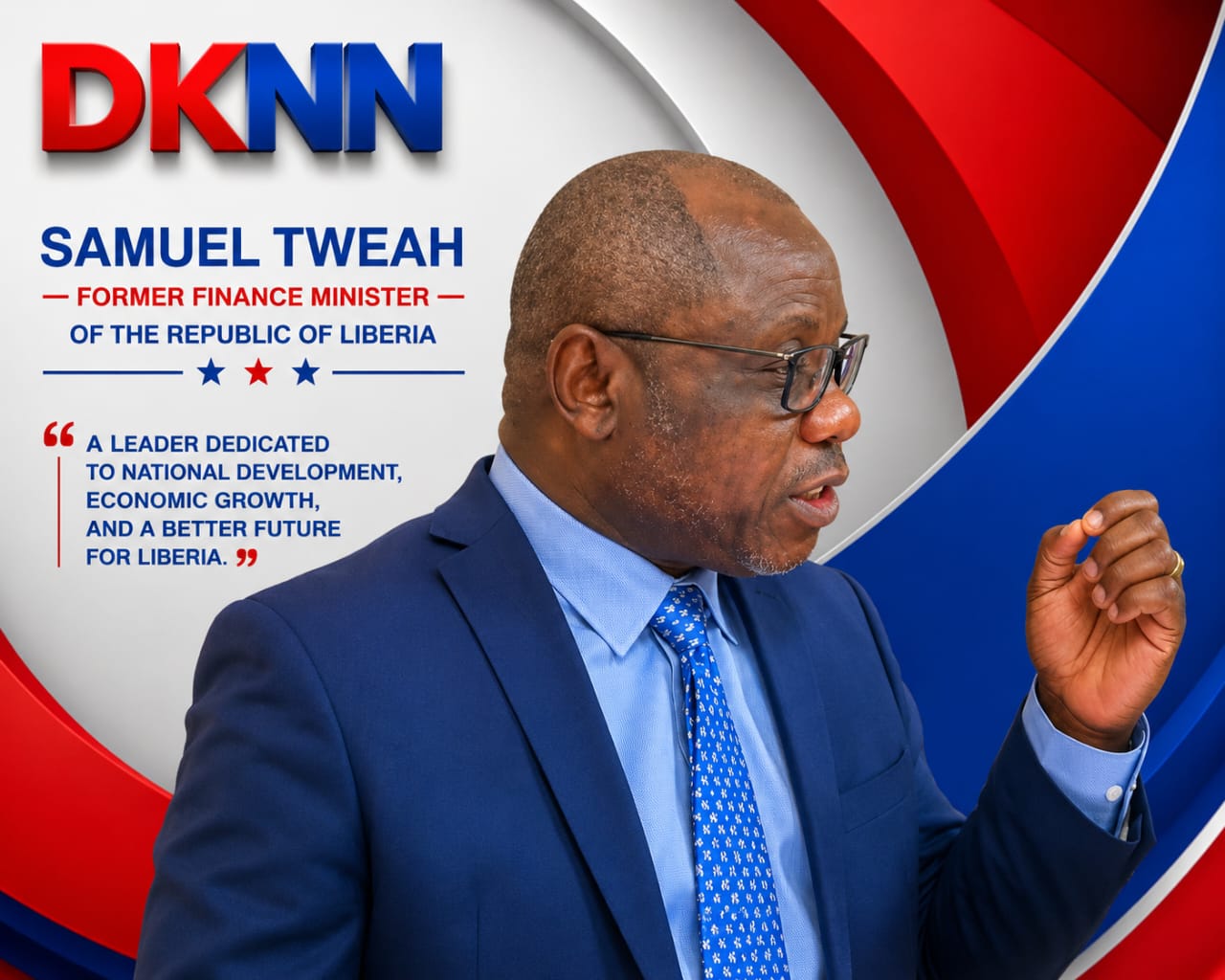
Responding publicly to the accusations, a former government insider strongly defended ex-Finance Minister Samuel Tweah, insisting that the funds used during the mop-up operation were fully documented and accounted for by Central Bank authorities.
According to the statement, approximately $17 million utilized during the exercise was managed directly by the Central Bank and not by the Ministry of Finance. The response argued that public narratives suggesting otherwise were fueled by misinformation spread through political rhetoric and media commentary.
The former official further maintained that Tweah’s role as Finance Minister was limited to receiving reports alongside other senior government officials, stressing that he neither supervised nor directly handled the operational aspects of the exercise.
The comments also dismissed speculation surrounding a potential criminal case involving alleged missing funds, arguing that if any legal action were ever pursued, responsibility would more likely fall within the operational structure of the Central Bank rather than the Ministry of Finance.
The controversy surrounding the mop-up exercise has remained a politically sensitive issue in Liberia for years, frequently resurfacing in public discourse and election-related debates. Critics of the former CDC administration have repeatedly questioned the handling of public funds during the period, while former officials continue to reject accusations of wrongdoing.
In the latest remarks, the former official accused some politicians and journalists of spreading misleading narratives that damaged reputations and distorted public understanding of the issue. The statement described the broader political environment as one heavily influenced by propaganda and misinformation.
The renewed exchange highlights how unresolved political narratives from previous administrations continue to shape Liberia’s national conversation, particularly on issues involving public finance, accountability, and trust in state institutions.
As political tensions persist ahead of future electoral cycles, analysts say debates over past financial controversies are likely to remain central to the country’s evolving political landscape.


