


Liberia, Abe Darius Dillon, Senate Confirmation, Governance, Tribal Politics, Democracy, Grand Gedeh
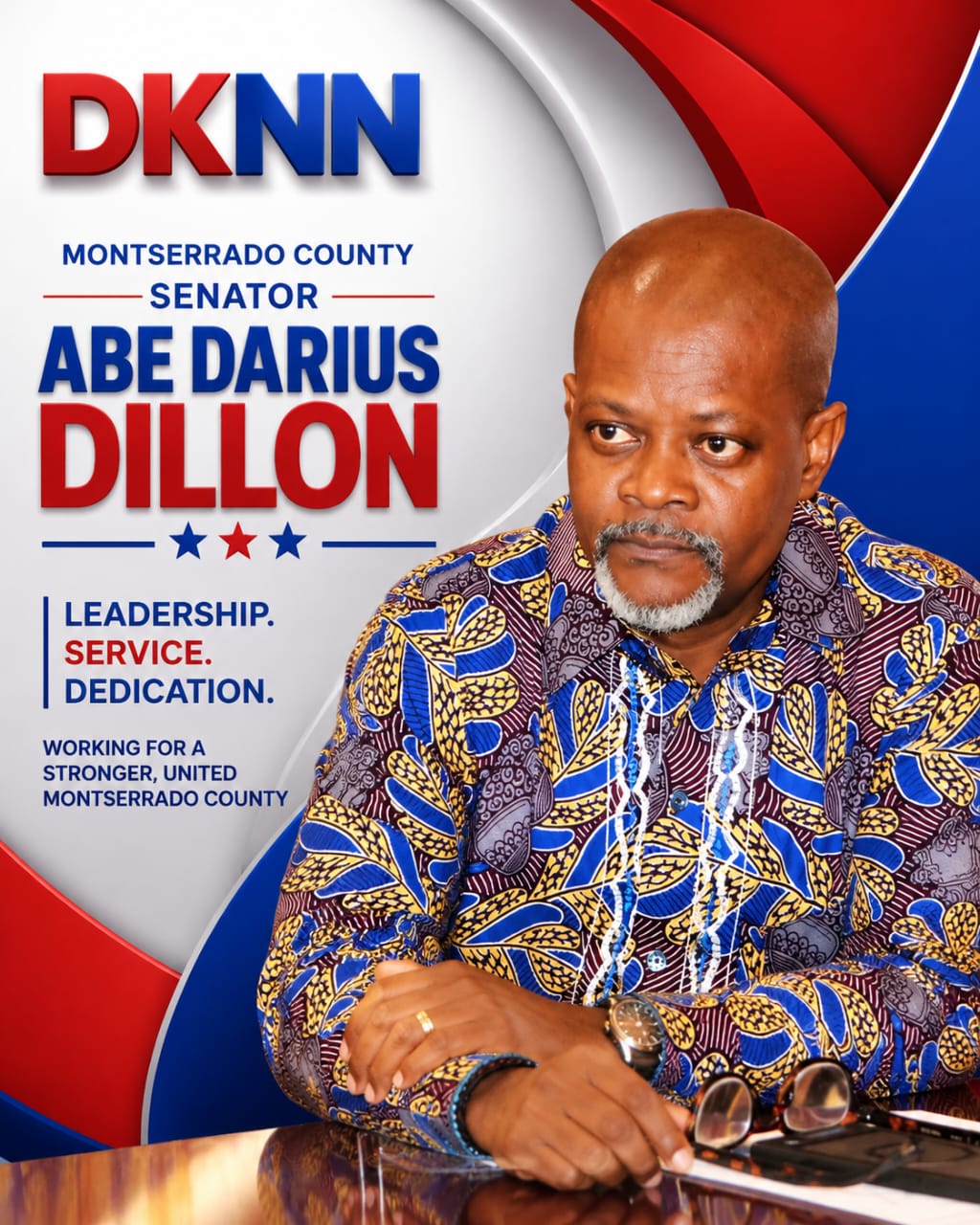
Montserrado County Senator Abe Darius Dillon has called for greater responsibility in national political discourse following accusations linking him to alleged tribal prejudice in the Liberian Senate’s confirmation process.
The controversy emerged after claims made by Peter Solo, brother of nominee George Solo, who alleged that Senator Dillon opposed his brother’s confirmation for a diplomatic appointment because of bias against the Krahn ethnic group from Grand Gedeh County. The accusation followed George Solo’s non-confirmation for an ambassadorial role.
Responding to the allegation, Senator Dillon described the claims as misleading and potentially harmful to Liberia’s peace and democratic progress. As Chairman of the Senate Committee on Foreign Affairs, he clarified that Senate confirmation decisions are guided by constitutional procedures, professional competence, integrity, and national interest rather than tribal considerations.
Dillon further explained that ambassadorial nominations require formal diplomatic communication from the receiving country before the Liberian Senate proceeds with confirmation considerations. According to him, the official communication submitted by President Joseph Nyumah Boakai referenced Italy as the intended posting for George Solo and not Belgium, contrary to public allegations circulating online.
“We only act based on official communication transmitted to the Senate,” the Montserrado lawmaker stated, emphasizing that the Legislature does not interfere with administrative decisions made by the Executive Branch beyond its constitutional oversight responsibilities.
The senator also warned against the growing use of tribal narratives in political disagreements, noting that such rhetoric risks undermining Liberia’s reconciliation efforts and democratic stability. He stressed that Liberia has made important progress in promoting unity among its diverse ethnic communities and should avoid statements capable of reviving division or mistrust.
According to Dillon, public officials and political supporters must exercise caution when discussing governance matters, particularly issues involving appointments and confirmations. He argued that emotional and divisive commentary distracts from substantive national concerns and weakens constructive democratic engagement.
The Montserrado senator reaffirmed his respect for all counties and ethnic groups across Liberia, including the people of Grand Gedeh, whom he described as an essential part of the country’s political and cultural identity. He added that his years in public service reflect a commitment to inclusiveness, fairness, and equal representation.
Under Article 56 of the 1986 Constitution of Liberia, the Liberian Senate holds the authority to review and decide on presidential nominations through confirmation hearings. Dillon maintained that the Senate’s role must remain centered on accountability, transparency, and the broader national interest rather than political sentiment or ethnic influence.


