


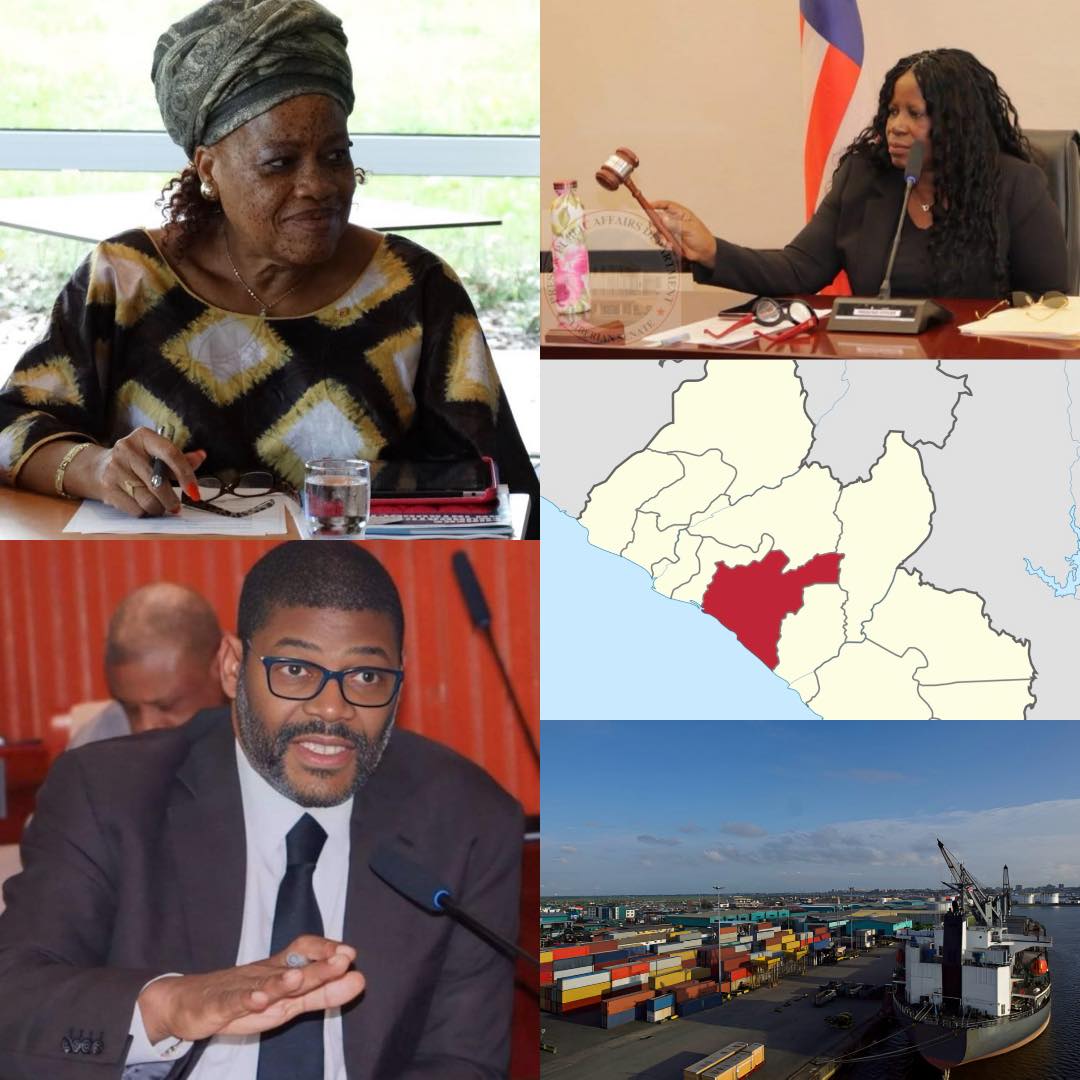
Monrovia, Liberia — Former Grand Bassa County Superintendent Julia Duncan Cassell has publicly joined the growing opposition to the proposed Port Autonomy Bill, adding her voice to earlier criticism raised by Senator Gbehzohngar Findley and intensifying the political debate surrounding the controversial legislation.
Speaking during a telephone interview, Madam Cassell expressed serious reservations about the bill in its current form, arguing that it falls short of addressing the interests and concerns of communities hosting port facilities—particularly those in Grand Bassa County.
“I believe that, as it stands, this bill may not deliver the promised benefits to the people of Grand Bassa,” Cassell said. “There are significant gaps that raise questions about how local communities will actually benefit once autonomy is granted.”
Her comments come amid mounting scrutiny of the Port Autonomy Bill, which has sparked mixed reactions across the country. While supporters of the legislation contend that granting greater operational independence to Liberia’s ports will enhance efficiency, attract private investment, create employment, and stimulate national economic growth, critics remain unconvinced that these gains will trickle down to host counties.
Opponents of the bill have raised concerns about community participation, revenue-sharing mechanisms, regulatory oversight, and long-term development outcomes. They warn that without clear legal safeguards, local populations could shoulder the environmental, social, and infrastructural burdens of port operations while receiving little in return.
Cassell’s intervention adds political weight to the opposition camp, particularly given her experience as a former county superintendent in a major port-hosting region. Observers note that her stance reflects broader anxieties among local leaders and residents who fear marginalization in decision-making processes that directly affect their livelihoods.
As legislative deliberations continue, the Port Autonomy Bill remains a deeply divisive issue within both political and public spheres. Lawmakers are expected to weigh the bill’s projected economic benefits against growing concerns over social equity, governance, and local accountability.
With the Legislature moving closer to a final decision, the debate over port autonomy is likely to intensify, setting the stage for a political showdown over who truly stands to gain—or lose—from one of Liberia’s most consequential economic reforms in recent years.


