


A recent leadership reshuffle within the Grand Gedeh County Legislative Caucus is raising broader political questions about influence, coordination, and the evolving balance of power among the county’s lawmakers.
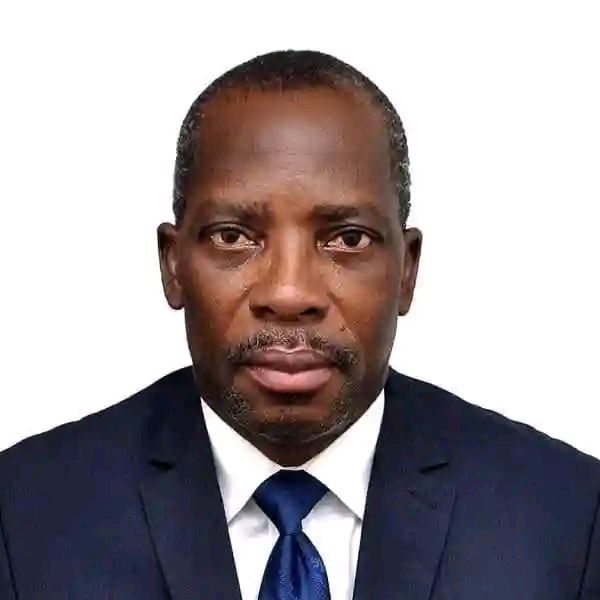
During a caucus meeting held in Zwedru on March 13, members of the Grand Gedeh legislative delegation elected Jeremiah Garwo Sokan Sr., Representative of District #1, as the new Chairman of the caucus. In the same process, Zoe Emmanuel Pennue was chosen as Co-Chair, placing two prominent figures at the center of the county’s legislative coordination.
The meeting brought together lawmakers representing Grand Gedeh in the national legislature to review their collective agenda and reorganize the leadership structure of the caucus. The outcome effectively positions Representative Sokan as the principal coordinator of the county’s legislative priorities within the national government.
From an analytical standpoint, the leadership shift could signal more than a routine internal arrangement. Legislative caucuses in Liberia often serve as informal power hubs where county-level development priorities, political alliances, and legislative strategies are negotiated. By assuming the chairmanship, Representative Sokan gains a strategic role in shaping how Grand Gedeh’s lawmakers present a unified front on policy and development matters.
Meanwhile, Senator Pennue’s election as Co-Chair adds institutional balance to the caucus leadership. As a member of the Liberian Senate, his presence in the leadership structure may strengthen coordination between the Senate and the House of Representatives on issues affecting the county. Such collaboration is often critical when advocating for budgetary allocations, infrastructure projects, and policy interventions at the national level.
Political observers note that the new arrangement could also influence internal dynamics among Grand Gedeh’s political actors. Effective caucus leadership requires navigating competing local interests while presenting cohesive priorities to the national government. Whether the new leadership team can maintain unity and translate coordination into tangible development outcomes remains a key question.
For residents and stakeholders in the county, the change in leadership will likely be judged by one central measure: the caucus’ ability to convert political organization into visible progress for Grand Gedeh.


