


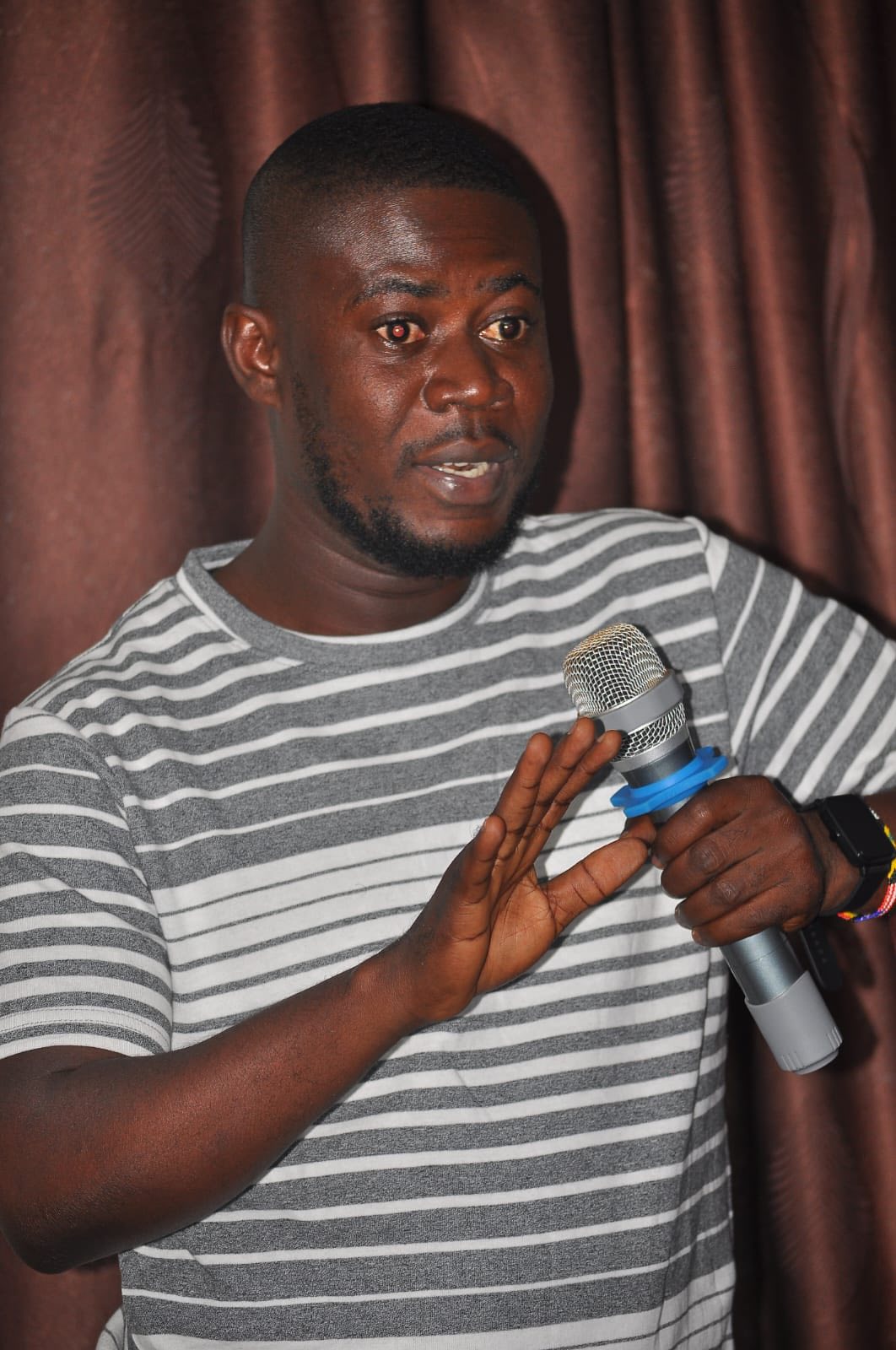
The sudden resignation of Liberian journalist Varflay Kamara from the Liberia Broadcasting System (LBS) has sparked reflection—and concern—about the conditions within Liberia’s state media and why one of its most visible young professionals chose to step away.
After nearly nine years at LBS, Kamara announced his departure in an emotional statement, describing the institution as the place that shaped his professional journey. But beneath the gratitude lies a departure that raises uncomfortable questions about whether Liberia’s public broadcasting environment is retaining its best talent.
Kamara’s career at the state broadcaster was marked by steady growth and increasing influence. He joined the newsroom on May 8, 2017 as a reporter and newscaster and rose through the ranks to become host of the Super Morning Show, later serving as Director of Public Affairs and eventually Director of News.
Reflecting on his time there, Kamara said the work was more than just broadcasting—it was about accountability.
“My reporting held the same governments—past and present—that paid me accountable. For that, I’m proud. My time on radio held the powerful to account and strengthened democracy in Liberia.”
He also recalled the difficult interviews and high-pressure moments that defined his years behind the microphone. “I engaged some of the toughest personalities through interviews—experiences that strengthened both my confidence and conviction.”
Despite his emotional connection to the institution, Kamara ultimately decided to leave. “While it is emotional to leave an institution I deeply love and care about, I am proud to have concluded my service in the same newsroom I stepped into on May 8, 2017 as a Reporter and Newscaster.”
His statement thanked multiple management teams and colleagues who supported him throughout his career, particularly younger newsroom staff who worked alongside him.
“To the young and dedicated newsroom staff, I am deeply grateful for your cooperation, respect, and unwavering support… Please sustain and improve upon the small but very powerful reforms we undertook in a short period.” Kamara also encouraged listeners to continue supporting Liberia’s public radio service. “To our loyal audience, please continue listening to ELBC, the standard for professional broadcasting in Liberia.”
Yet the story of Kamara’s rise—and now his exit—did not begin at LBS.
According to Liberian journalist Abraham Godsent Wheon, Kamara’s entry into journalism began with a chance opportunity in Monrovia when the young aspiring broadcaster arrived from Gbarnga searching for a foothold in the media industry.
Wheon recalls that Kamara, worried his dream of becoming a journalist was slipping away, reached out for help. “I remember clearly that I saw real talent in him. I did not hesitate.” Wheon said he pushed for Kamara to be given a chance to present the sports segment on the TBS program at Truth FM. “That day, Varflay proved himself. Ever ready and confident, he did not disappoint.”
Kamara quickly transitioned from sports broadcasting into the newsroom, where he became one of the station’s most promising newscasters. Wheon even shared airtime with him on his popular evening program “What’s Your View.”
But Kamara’s talent soon attracted attention elsewhere. In 2017 he was recruited by LBS, leaving Truth FM—a moment Wheon said was personally painful.
“One evening I tuned in expecting to hear him host ‘What’s Your View,’ but he wasn’t there. When I called, I was told he had resigned after being recruited by ELBC. It truly broke my heart because one of my most dependable broadcasters was gone.”
Despite the disappointment, Wheon said he continued to follow Kamara’s rise at Liberia’s premier state broadcaster with pride.
Today, however, Kamara’s departure from LBS raises new questions. Why would a journalist who rose to one of the highest editorial positions in the institution decide to walk away while still in his professional prime?
For many observers, the resignation highlights a deeper issue within Liberia’s public media landscape—whether the country’s most talented journalists can truly thrive inside state institutions or whether structural pressures eventually push them out.
Kamara has not announced his next move, but he made it clear that he remains committed to national development.“ I remain committed to contributing meaningfully to the development of our country.”
For Liberia’s media sector, the bigger question now is not only where Kamara goes next—but what his exit says about the future of journalism within the nation’s most important public broadcaster.


