


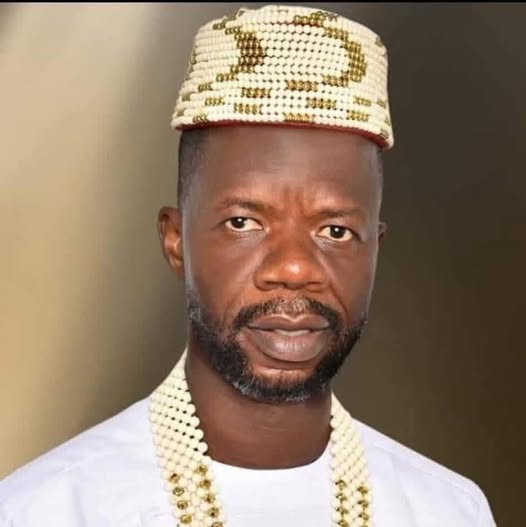
A strongly worded opinion piece by Counsellor Garrison Dodeh Yealu presents former President George M. Weah as a political figure who has transformed betrayal and post-election criticism into a renewed path for relevance and future political ambition. Framed in religious metaphors, motivational language, and sharp rebukes of perceived political defectors, the commentary seeks to reposition Weah not as a defeated leader, but as one preparing for a calculated comeback.
At the core of Yealu’s argument is the claim that kindness, tolerance, and generosity—traits he associates with Weah’s leadership style—were misconstrued as weakness by political allies who later turned adversarial. He characterizes these individuals as “fair-weather friends,” beneficiaries of the Congress for Democratic Change (CDC) platform who distanced themselves once political conditions became unfavorable. According to Yealu, such betrayal is not a setback but a necessary pruning that clears the way for a more disciplined and loyal political base.
The article relies heavily on faith-based imagery, portraying political reversals as divine interventions rather than failures of governance or strategy. Yealu suggests that political destiny is not controlled by critics or former allies, but by God, whom he describes as the “CEO of the universe.” This framing resonates strongly with Weah’s long-standing support base, which often interprets political events through spiritual and emotional lenses. However, critics argue that such rhetoric risks deflecting attention from substantive policy evaluation, governance outcomes, and electoral accountability.
Yealu also advances the idea that time is Weah’s most valuable asset, asserting that the former president is no longer expending energy on political noise or internal dissent. Instead, he suggests Weah is focused on self-mastery, long-term strategy, and redefining his narrative outside the constraints of election cycles. This argument positions Weah as a patient political actor, waiting not for convenience, but for the right moment to reassert leadership.
A recurring theme in the piece is loyalty. Yealu harshly criticizes those who have aligned themselves with new political actors, warning that individuals who betray one benefactor are unlikely to earn the trust of another. While this critique underscores the volatile nature of Liberian party politics, it also exposes a broader challenge within the CDC: reconciling internal fractures while attempting to rebuild credibility among undecided voters.
Notably absent from the commentary is a direct engagement with the substantive reasons behind the CDC’s electoral loss in 2023. While Yealu frames the defeat as a temporary wilderness experience, political analysts maintain that any serious comeback strategy must address public dissatisfaction, economic performance, governance concerns, and institutional reforms. Inspirational rhetoric alone, they argue, may energize the base but is insufficient to broaden electoral appeal.
Nonetheless, the piece succeeds in articulating a clear psychological and strategic message: that George Weah’s political journey is unfinished. By redefining betrayal as filtration and loss as preparation, Yealu casts the former president as a leader in transition rather than retreat. Whether this narrative translates into tangible political momentum remains uncertain, but it reflects an early attempt by CDC loyalists to reclaim moral confidence and reframe the post-power discourse.
As Liberia’s political landscape continues to evolve, the effectiveness of such messaging will depend less on symbolism and more on whether it can be matched with concrete policy vision, organizational discipline, and a credible response to the electorate’s expectations.


