


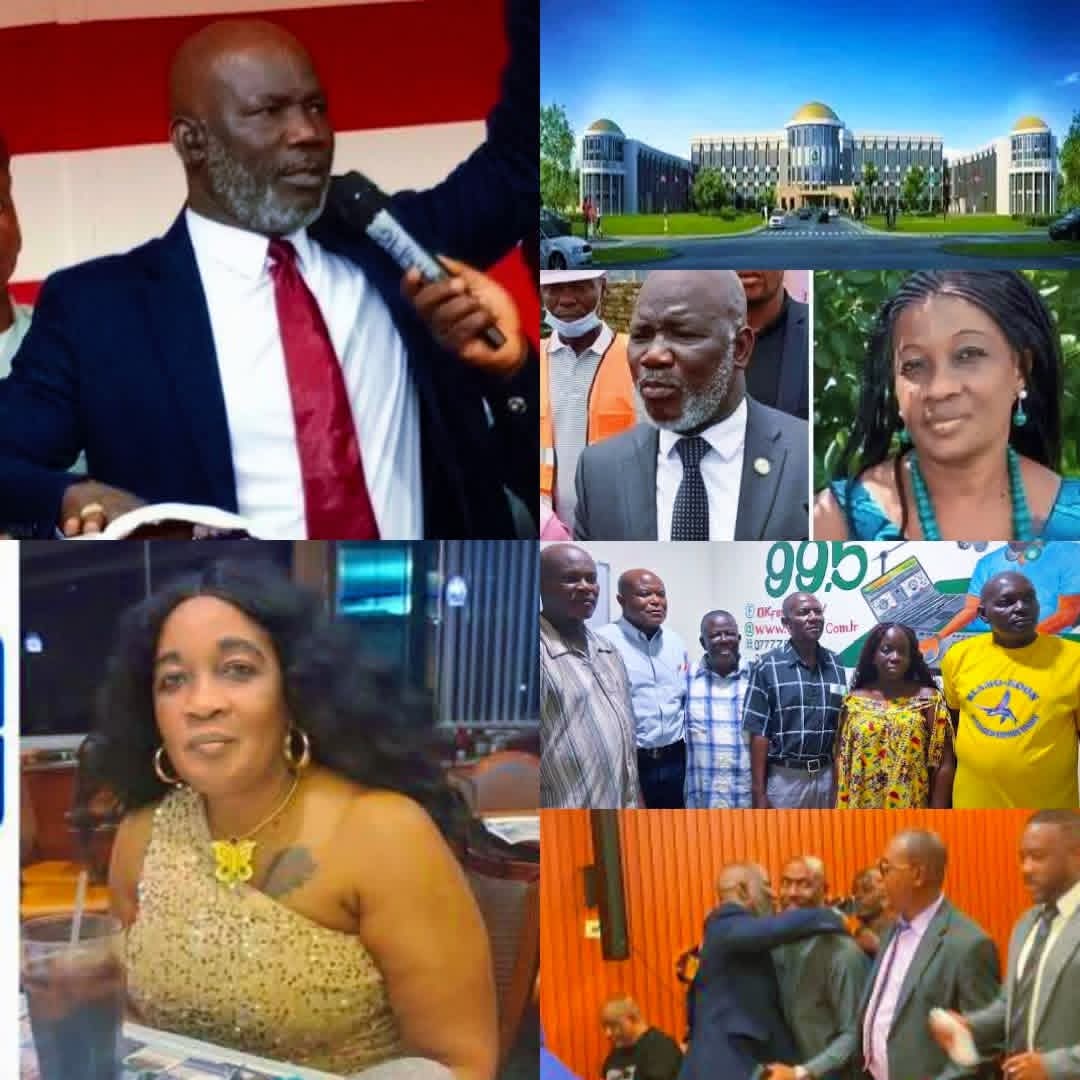
What began as a private marital conflict has quickly escalated into a far-reaching political and institutional crisis, putting Liberia’s legislature under severe public scrutiny.
House Speaker Richard Nagbe Koon faces charges of bigamy, immigration fraud, incest, and denial of familial relations. These charges have prompted a critical national discussion about leadership ethics, transparency, and accountability in Liberia’s government structure.
Domestic Conflict to National Crisis
Mrs. Cecelia Katherine Kpor, Speaker Koon’s legitimate wife, made explosive accusations on radio and social media, sparking a national scandal. She claims that she lawfully married Koon in the United States in 2015, and that the union played an important part in his immigration process. Individuals close to the Speaker denied the marriage, claiming Cecelia is his biological sister instead. If true—and if misrepresented in official United States filings—this assertion poses major legal, ethical, and moral concerns.
Immigration Fraud and U.S. Records
Adding complexity to the matter are U.S. immigration documents related to Koon’s case. The U.S. Citizenship and Immigration Services (USCIS) reportedly denied an immigration petition filed on his behalf under Section 204(c) of the Immigration and Nationality Act, a provision used when there is evidence of fraud in marriage-based immigration applications.
The USCIS judgement noted anomalies in documents and evidence, such as inconsistent residence information and inadequate proof of married existence. The agency further stated that Koon apparently had overlapping relationships, being married to Mrs. Kpor for immigration purposes while also in a long-term relationship with another lady, with whom he supposedly has a kid. Such situations may constitute bigamy under both Liberian and US law.
Incest allegation and their legal consequences
Koon’s supporters say Cecelia is his biological sister, which is a source of concern in the ongoing issue. Legal experts have voiced concern about this assumption.
If proven, the claimed marriage would be considered incest, a criminal offence in Liberia, and the relationship would be null and invalid. It would also imply that US immigration officials were intentionally mislead under oath, which is a significant federal offence.
Senator Nathaniel McGill has publicly emphasized that Liberian law strictly prohibits and criminalizes marriage or sexual relations between close biological relatives, highlighting the severity of the claims if verified.
Expanding Allegations and Public Reaction
Beyond marital and immigration issues, civil society groups have raised broader concerns. The Liberia Independent Elder Council for Peace and Reconciliation has demanded Speaker Koon’s immediate resignation and a comprehensive investigation. The group cited what it described as a series of troubling allegations, including questions surrounding his citizenship, alleged neglect of parental responsibilities, and overall ethical conduct.
According to the elders, the situation has progressed beyond a private quarrel and now threatens national dignity and institutional legitimacy. Political tension. Within the legislature. The ongoing controversy has put politicians in a difficult position. In the absence of a final legal judgement from Liberian courts, there is ongoing dispute about whether the House of Representatives should conduct an internal ethical probe.
Although some opposition politicians see the debate as a key test of legislative responsibility, others are hesitant to publicly question the Speaker without clear legal conclusions. The scenario is exacerbated by historical arguments over Koon’s leadership and legislative legitimacy, including Supreme Court judgements and internal power battles in the House.
Institutional credibility and public trust are at stake
This case is unique in that it involves high public office and international legal systems, going beyond normal charges of personal misbehaviour. As Speaker of the House, Koon holds one of Liberia’s most influential constitutional roles, driving legislation, supervising executive activities, and preserving democratic values. Serious charges against a sitting Speaker, especially involving foreign government protocols, might have far-reaching ramifications for their image. They influence national credibility, international relations, and trust in the rule of law.
Final thoughts: A defining moment in governance.
The Koon affair is a pivotal time for Liberia’s political leadership. It raises an important question: will recorded evidence, sworn testimony, and institutional conclusions triumph, or will political power trump accountability?
The resolution of this problem, whether legal, political, or institutional, would indicate if Liberia’s Legislature is committed to upholding the same standards it requires from others. This is crucial for the country’s efforts to improve governance and international trust. The decision may influence public trust in democratic institutions long after the original dispute has subsided.


