


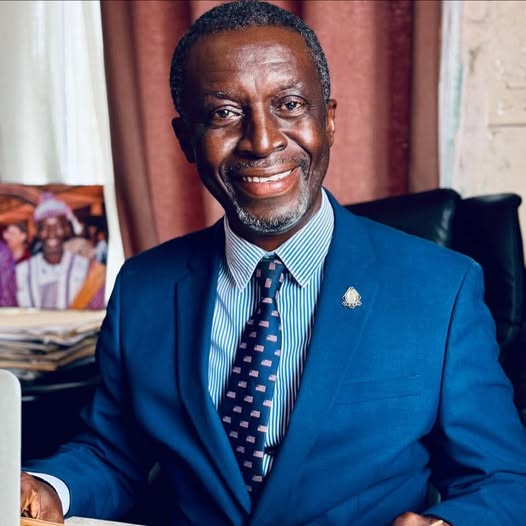
Cllr. Tiawan Saye Gongloe, political leader of the Liberia People’s Party (LPP) and a 2023 presidential candidate, has sharply criticized the Government of Liberia for what he describes as an “extravagant and insensitive” decision to send a large delegation to Japan while ordinary Liberians grapple with worsening economic hardships.
The comments follow reports that Liberia carried one of the largest contingents among African countries attending the Tokyo International Conference on African Development (TICAD 9) and Expo 2025. Gongloe argued that such decisions reflect misplaced priorities and a disregard for the suffering of citizens struggling with poverty, inflation, and unemployment.
“Not all decisions made by the President are right, particularly the decision of carrying almost the entire government to Japan at a time when people are barely surviving,” Gongloe said.
Questioning Timing and Transparency
Beyond the size of the delegation, Gongloe raised questions about the timing of President Joseph Nyuma Boakai’s departure for Tokyo. He noted that while several African leaders, including South Africa’s President, traveled on August 17, President Boakai left on August 16, allegedly to undergo a medical check-up before the summit.
Gongloe lamented that this early departure was not clearly communicated to the Liberian people, stressing that transparency regarding presidential movements is critical in a democracy. “It is saddening that the President went early to visit the hospital without informing Liberians about the impact of such decisions on the country,” he said.
The Law on Public Expenditure and Accountability
Liberia’s legal framework emphasizes accountability in public spending. Article 90(c) of the 1986 Constitution of Liberia prohibits public officials from engaging in activities that conflict with the public interest and requires integrity in managing state resources.
Additionally, the Public Financial Management (PFM) Act of 2009, Section 4, obligates the government to ensure that public funds are used in ways that maximize value for money and prioritize national needs. Critics argue that deploying a large official delegation, which incurs significant costs in travel allowances, lodging, and logistics, could run contrary to these provisions, especially when the nation faces pressing socio-economic challenges.
Data Analysis: Economic Struggles vs. Delegation Costs
Liberia’s economy continues to face daunting hurdles. According to the World Bank’s 2024 Country Report, over 50% of Liberians live below the poverty line, with food insecurity affecting nearly 2.3 million citizens. Inflation remains stubbornly high, hovering around 9.8%, while youth unemployment exceeds 14%, leaving thousands of young people vulnerable to poverty and crime.
In contrast, diplomatic sources estimate that international delegations often cost governments US$10,000–US$15,000 per delegate for flights, lodging, allowances, and protocol expenses. If Liberia indeed sent a “very large” delegation, as Gongloe suggested, the cost could easily reach hundreds of thousands of U.S. dollars — funds that could otherwise be directed toward health, education, or agriculture.
For example, the Ministry of Health reported in 2024 that 45% of rural clinics face shortages of essential medicines. The same amount spent on delegation costs could finance the procurement of thousands of anti-malaria drugs, expand food distribution programs, or support struggling schools.
Recurring Debate on Government Spending
Gongloe’s criticism reflects a recurring debate in Liberia: the balance between international diplomacy and domestic accountability. Successive administrations, including that of former President George Weah, were criticized for bloated delegations to international conferences. Civil society organizations, such as the Center for Transparency and Accountability in Liberia (CENTAL), have repeatedly called for streamlined travel delegations to cut waste and promote fiscal discipline.
Political and Public Implications
The government has defended such trips in the past by highlighting their importance in securing foreign investment, aid, and bilateral cooperation. Supporters argue that Liberia must be represented at the highest levels in global forums.
However, Gongloe insists that credibility abroad cannot come at the expense of dignity at home. “The suffering masses need relief, not government luxury,” he said, urging the Boakai administration to “practice frugality, not extravagance.”
The Path Forward
As public frustrations grow, Gongloe’s comments may resonate strongly with Liberians who see little change in their living conditions despite promises of reform. Policy analysts suggest that the Boakai administration could avoid similar criticisms by publishing official delegation lists, capping the number of delegates, and ensuring that only essential personnel accompany the President abroad.
Ultimately, Liberia’s challenge remains striking a balance between international visibility and domestic responsibility. Unless corrective measures are taken, the criticism of government waste — now echoed by Gongloe — will likely continue to dominate political discourse, deepening public distrust in state leadership.


