


Liberia’s long-standing debate over accountability for civil war atrocities has entered a decisive phase, but the path forward remains uncertain. The formal presentation of a draft bill to establish a War and Economic Crimes Court signals progress on paper—yet it also reopens deeper questions about political will, timing, and the complexities of confronting a painful national history.
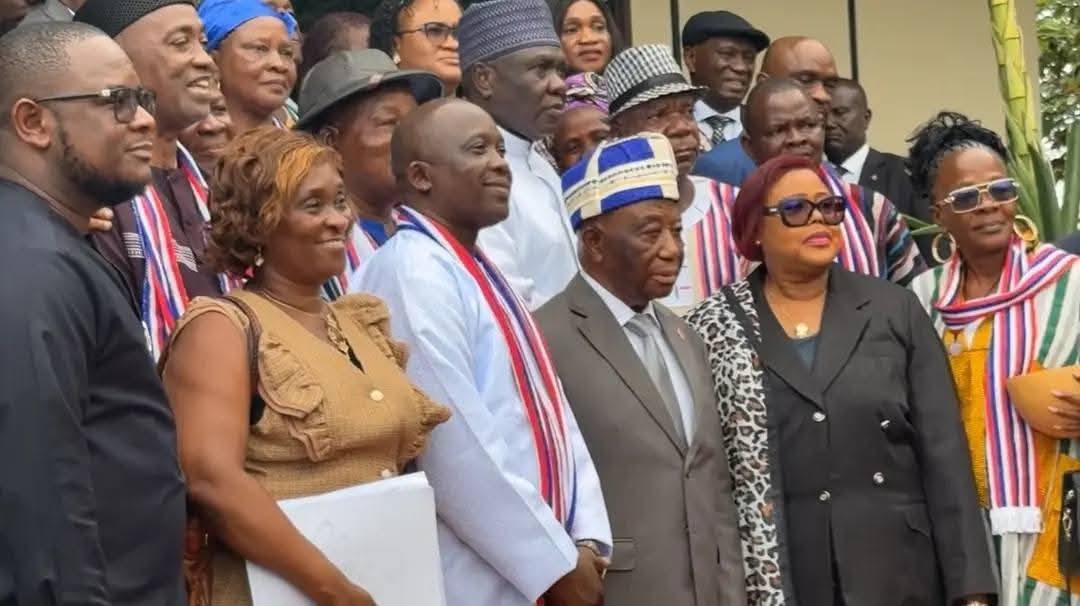
On May 6, 2026, President Joseph Nyuma Boakai received the proposed legislation at a ceremony in Monrovia, attended by government officials, traditional leaders, civil society actors, and victims of past conflicts. The bill outlines the creation of a specialized court mandated to prosecute individuals accused of war crimes and major economic offenses linked to Liberia’s years of instability.
At first glance, the move appears to align Liberia with broader global norms on transitional justice. For years, both domestic advocacy groups and international partners have pushed for a formal accountability mechanism, arguing that unresolved grievances continue to undermine reconciliation and public trust in institutions.
However, the re-emergence of this proposal also highlights a persistent dilemma: the tension between justice and political stability. Efforts to establish such a court have historically faced resistance, often tied to concerns about reopening old divisions or implicating influential figures within the political and economic landscape.
The inclusion of economic crimes within the court’s mandate adds another layer of complexity. While it broadens the scope of accountability, it may also increase political sensitivity, given the potential implications for current and former elites.
Now that the draft has reached the executive level, attention shifts to what happens next. Legislative scrutiny and political negotiation will ultimately determine whether the proposal advances or stalls once again. Past attempts have demonstrated that legal frameworks alone are insufficient without sustained commitment and consensus across key stakeholders.
For victims and their families, the development represents cautious hope rather than resolution. Decades after the end of Liberia’s civil conflicts, many still await acknowledgment, justice, and closure. Whether this latest effort will deliver tangible outcomes—or become another chapter in a cycle of deferred justice—remains to be seen.
In this context, the draft bill is less a conclusion and more a test: can Liberia move beyond symbolic gestures and confront its past through credible, enforceable mechanisms? The answer will shape not only the country’s justice system but also its broader trajectory toward reconciliation and institutional trust.


